The English Camino: Stockport, Ampleforth and Cambridge
Three groups of pilgrims set out on foot to Our Lady’s Shrine in Walsingham—sharing hardship, prayer and friendship, and reviving an ancient English tradition.
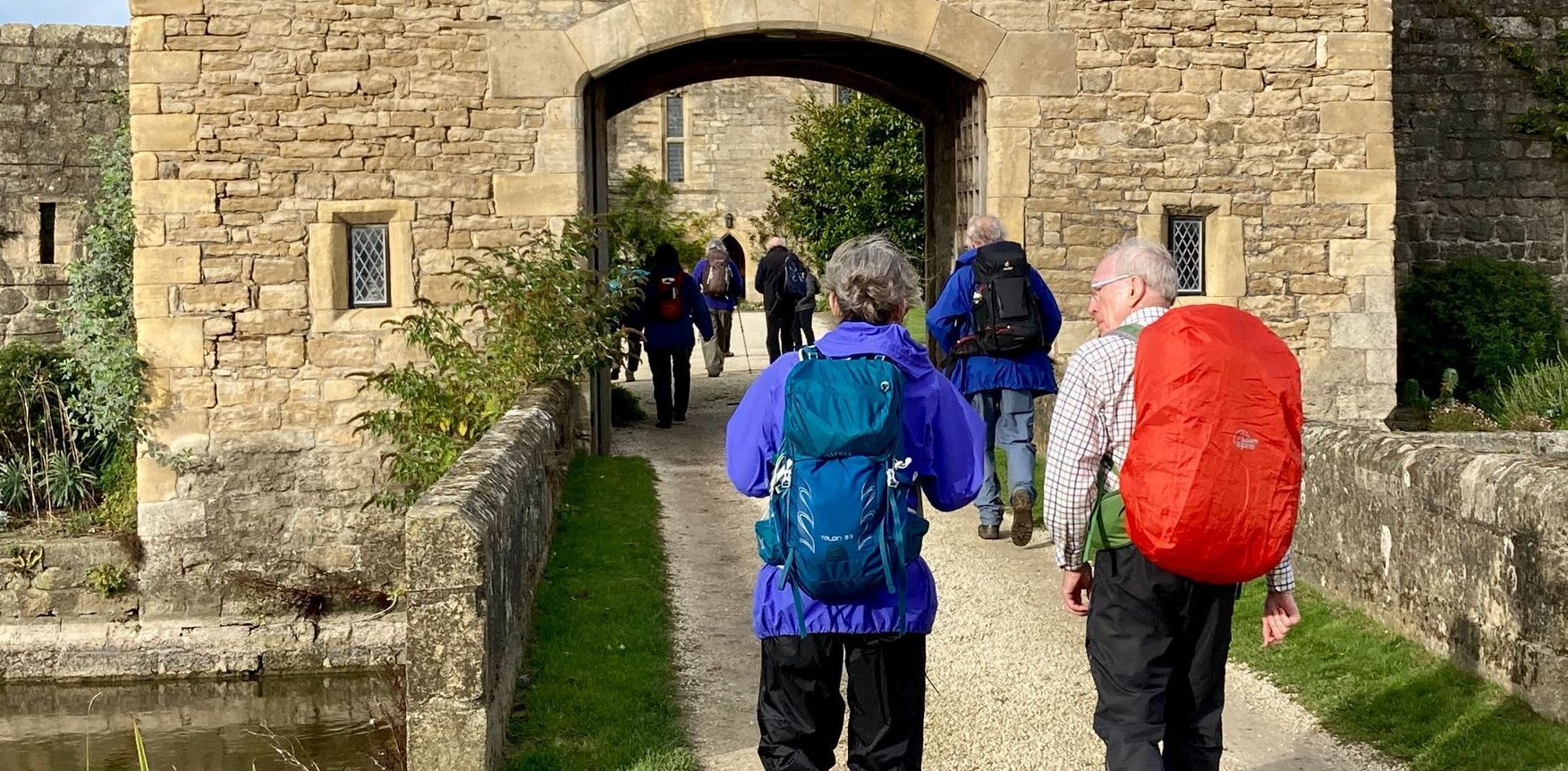
This year, three groups of pilgrims set out on foot to Our Blessed Mother’s Shrine in Walsingham—from Stockport, Ampleforth Abbey and Cambridge. It was the fourth successive Lenten pilgrimage from Stockport, the second from Cambridge, and the inaugural pilgrimage from Ampleforth Abbey.
How the walk began
The walk began in 2023, inspired by Fr Jimmy Collins, who made the pilgrimage to Walsingham from Liverpool. I had also taken part in a walking pilgrimage to Knock in County Mayo, Ireland, since I was 13 years old. After a turbulent period in my life, and leaving my career as a teacher, I felt a natural call to walk—and, following Fr Jimmy’s example, the only place I wanted to go was Walsingham. I had first heard of Walsingham only a couple of years earlier, but as I began to read its history and understand its significance as a place of pilgrimage, I knew I had to go.
My first pilgrimage in 2023 was offered in thanksgiving for everything I have—to give something back to God for all he has done in my life. Several friends joined me along the way, though we joked that anyone who came for a day ended up injured. Covering 170 miles in seven days is not for the faint-hearted—or the unprepared. One man, Steve Conlon, met me just outside Nottingham and, although injured, committed to accompany me for the rest of the journey. He would travel ahead by bus or train and meet me as I walked into the next town that evening. On some days he would join me for ten miles or so before flagging down a bus.
The challenge—and the stories that came out of that first experience—resonated with men I’d become friends with through the Men of St Joseph. When I came back, they started asking almost immediately about the following year, and whether they could join me. I said, “I’ll plan it for you—though I doubt I’ll have the holidays in the new job I’m starting.” As the saying goes: if you want to make God laugh, tell him your plans. In March 2024, I was free and able to walk, and 22 other pilgrims joined me. On that second walk, the purpose became clearer: we offered the pilgrimage as an act of reparation. Walsingham itself is a powerful symbol of what is lost when we walk away from God.
An intention: walking in reparation
Every pilgrimage should be offered for an intention, and ours was clear: reparation for all those who had walked away from God. Reparation was about taking responsibility; we, too, had walked away from God in our lives. Each of us had turned away through sin. So we set out with a deliberate desire to repair what we had damaged through disobedience, and to pray for what had been damaged by others throughout the generations in this land. What better way was there than to echo our ancestors—and re-establish the ancient practice of walking pilgrimage?
For over 400 years, pilgrims from every part of Great Britain—and indeed from across Christendom—processed to this place of grace. Many discovered that, in an important sense, the journey became as significant as the destination. Those who set out endured hardship, pain and fatigue, alongside joy, insight and renewed fervour in the Lord. The journey, though physical, often deepened into something profoundly spiritual. Stepping away from daily routines created space for God to speak. Pilgrimage changed a person from within, and gave grace to live more fully when they returned home.
This wasn’t unique to our corner of Christendom. Scripture itself was marked by journeys: after Adam and Eve left the Garden, the long road back to God began. Abraham lived as a traveller, as did his descendants. Then came the Exodus—forty years of journeying toward the promised land. Israel’s feasts drew the people on pilgrimage to the Temple. The Holy Family also travelled: to Bethlehem, to Jerusalem for the Presentation, and later to Egypt. Jesus, too, walked from place to place throughout his public ministry—forming disciples as they journeyed with him.
God continued to place this call on the hearts of men—just as he had throughout salvation history: “Pick up your cross and follow me.” This year I watched that call bear fruit again, as three walks took place and more than 30 pilgrims arrived in Walsingham.
Three routes, one destination
Each walk was a distinct expression of the same call to pilgrimage.
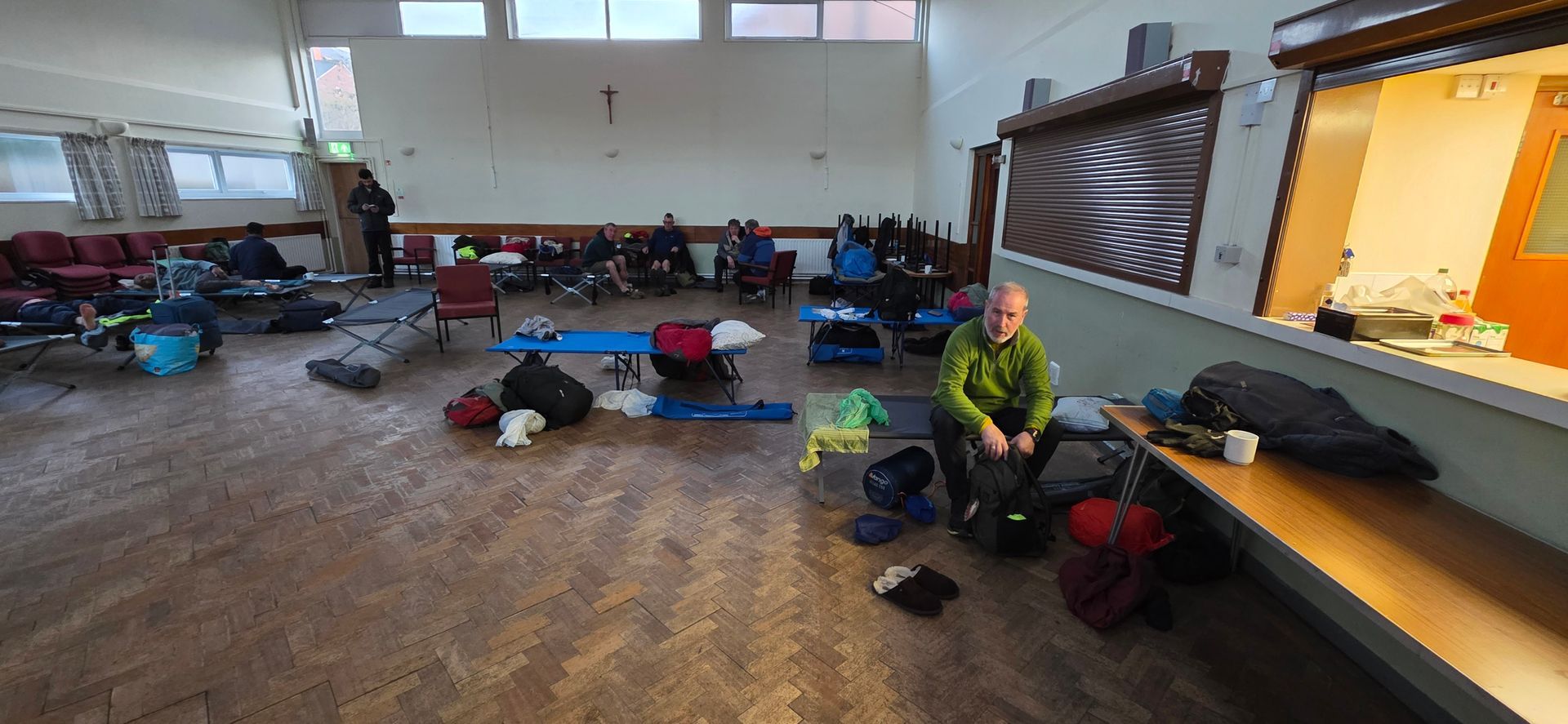
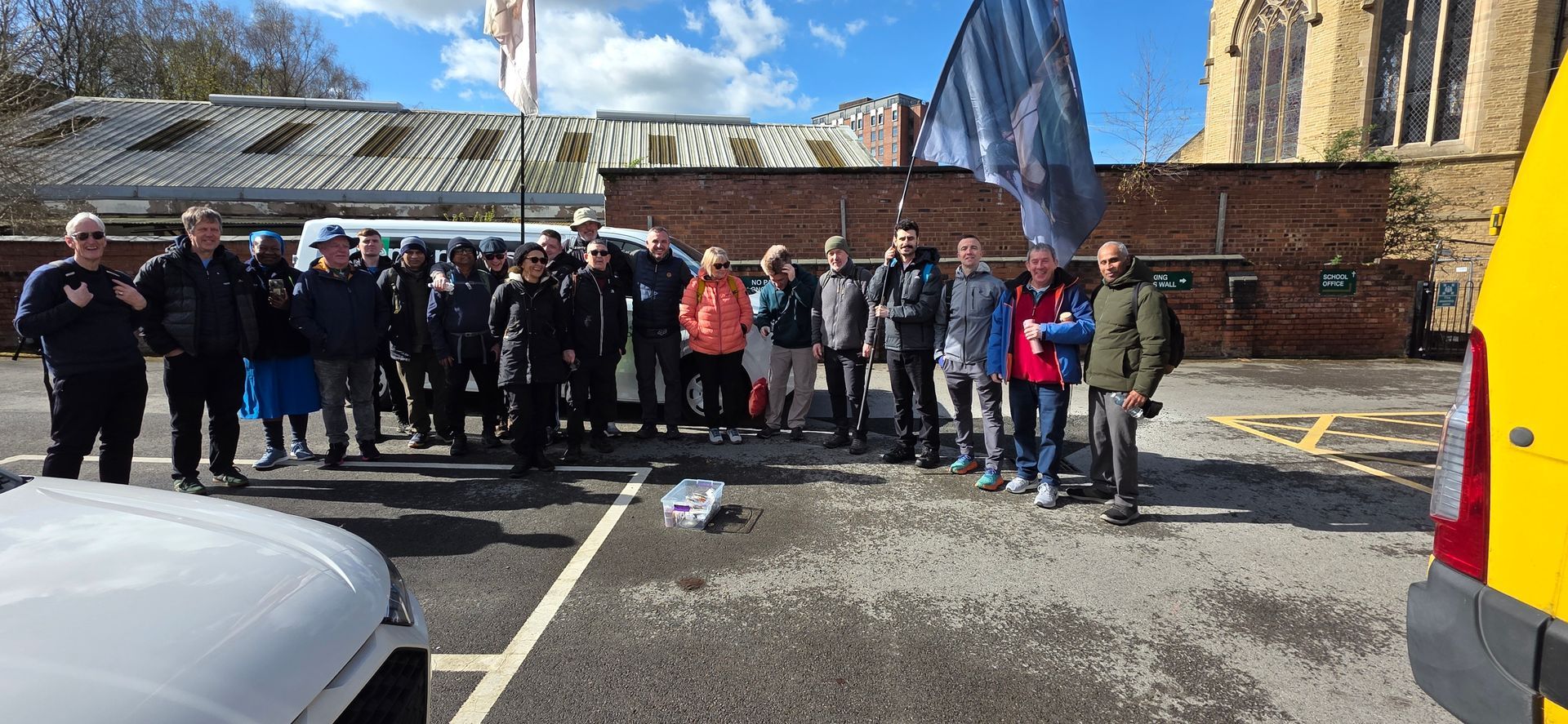
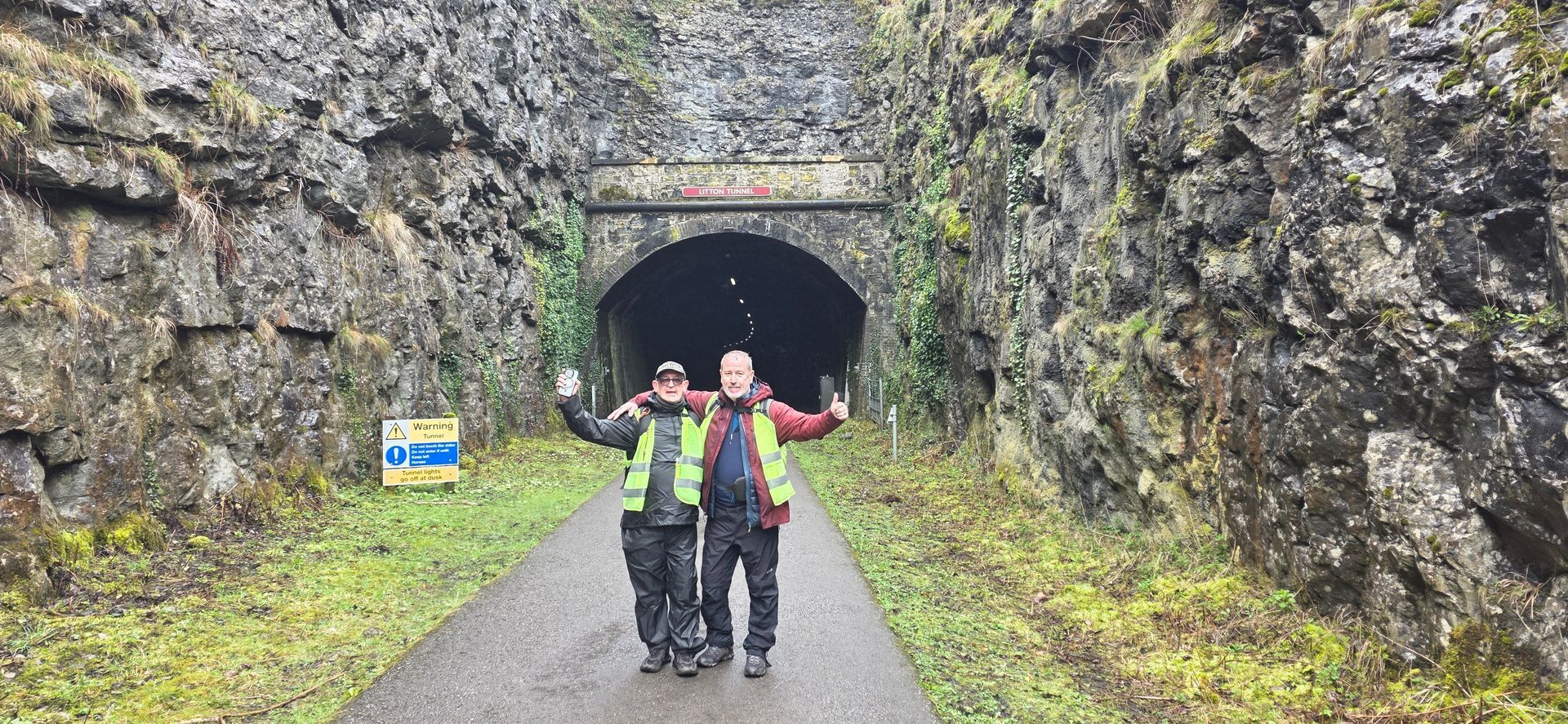
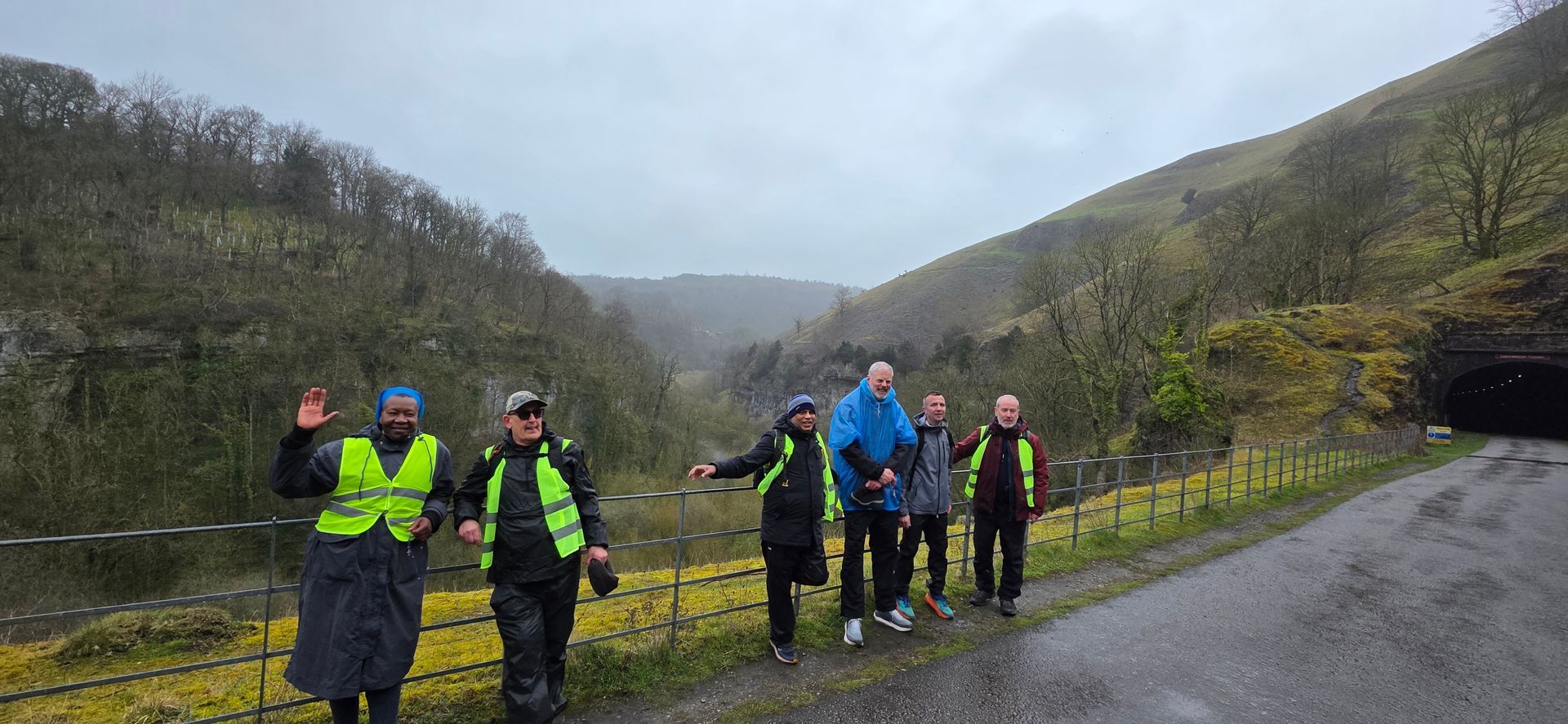
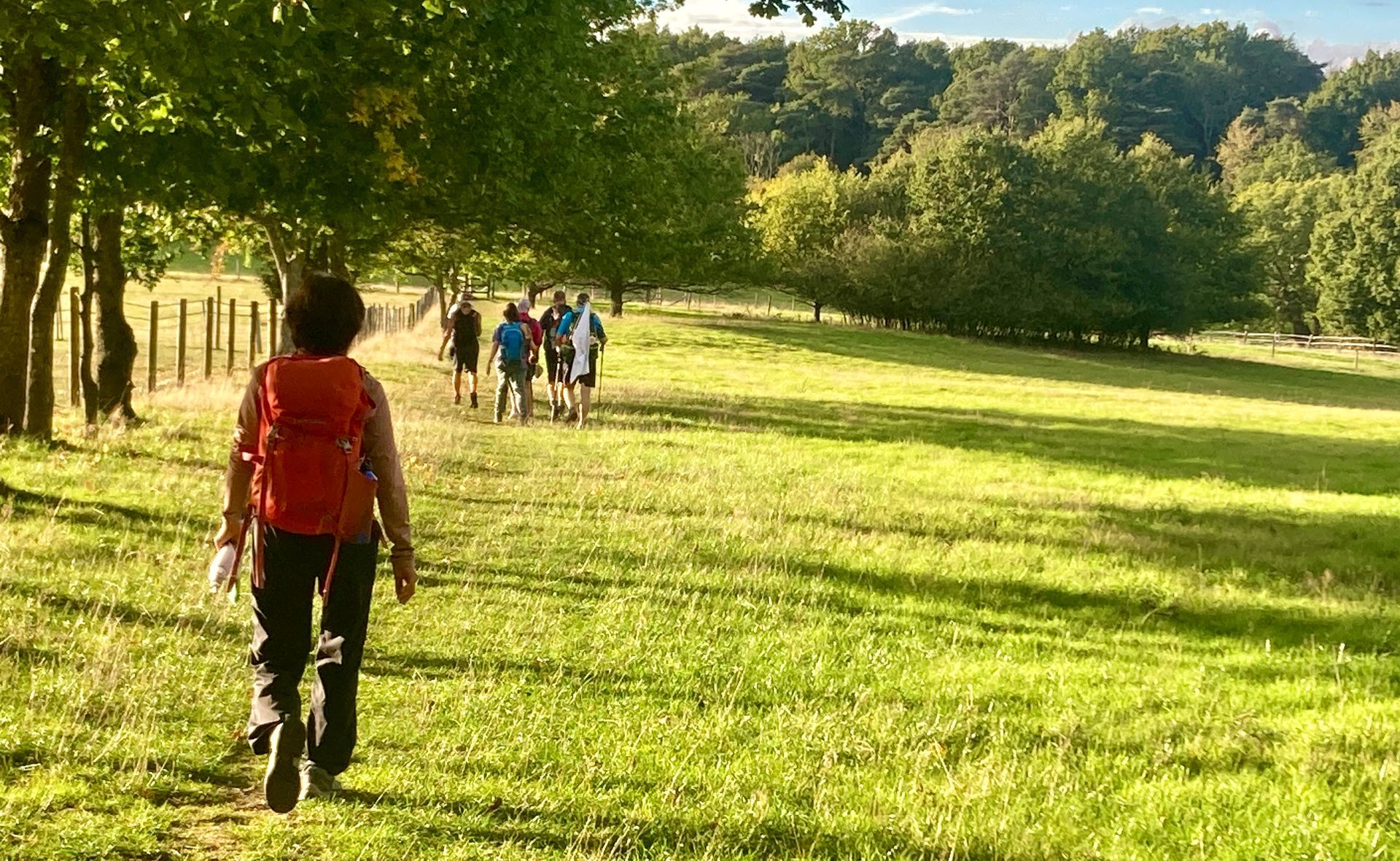
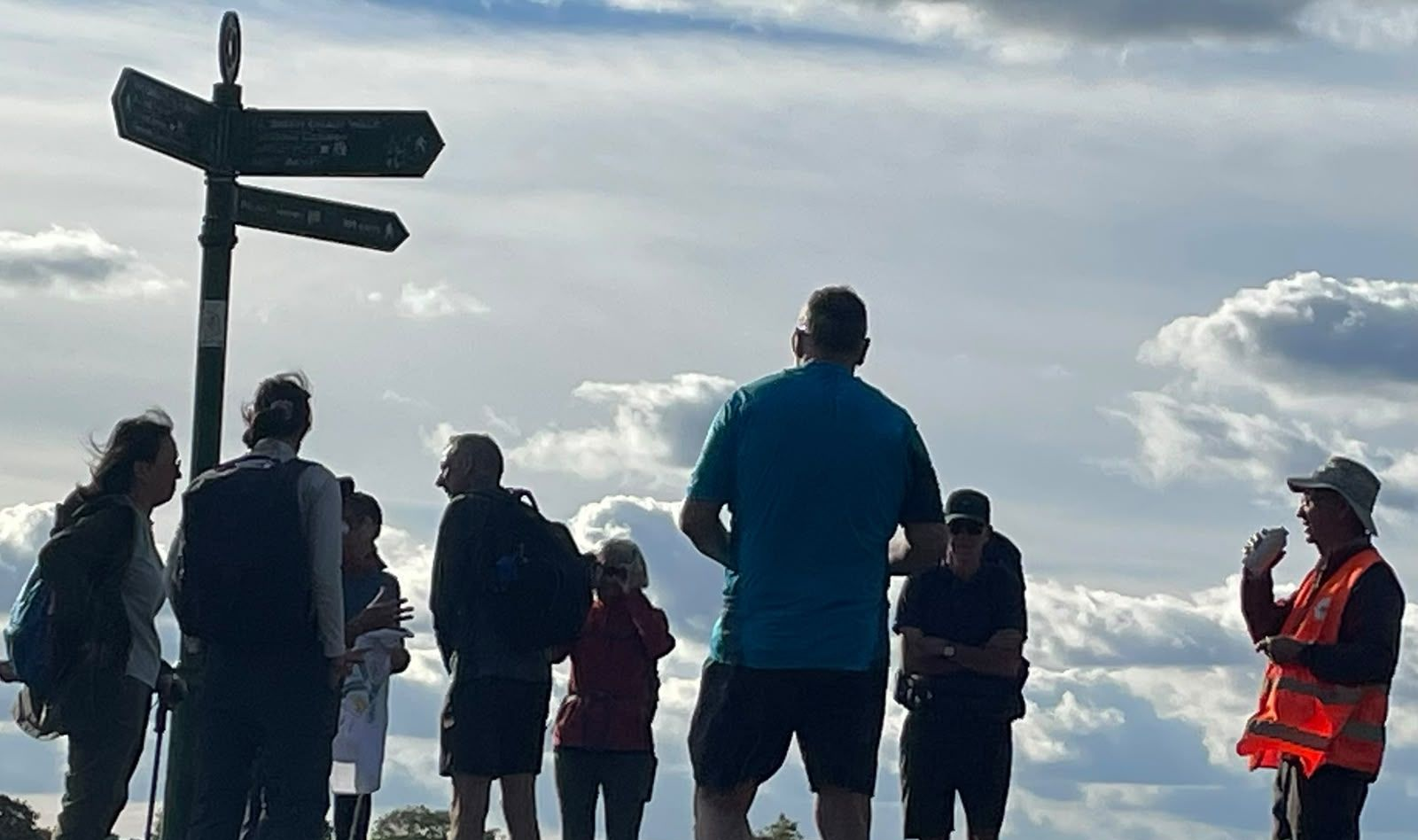
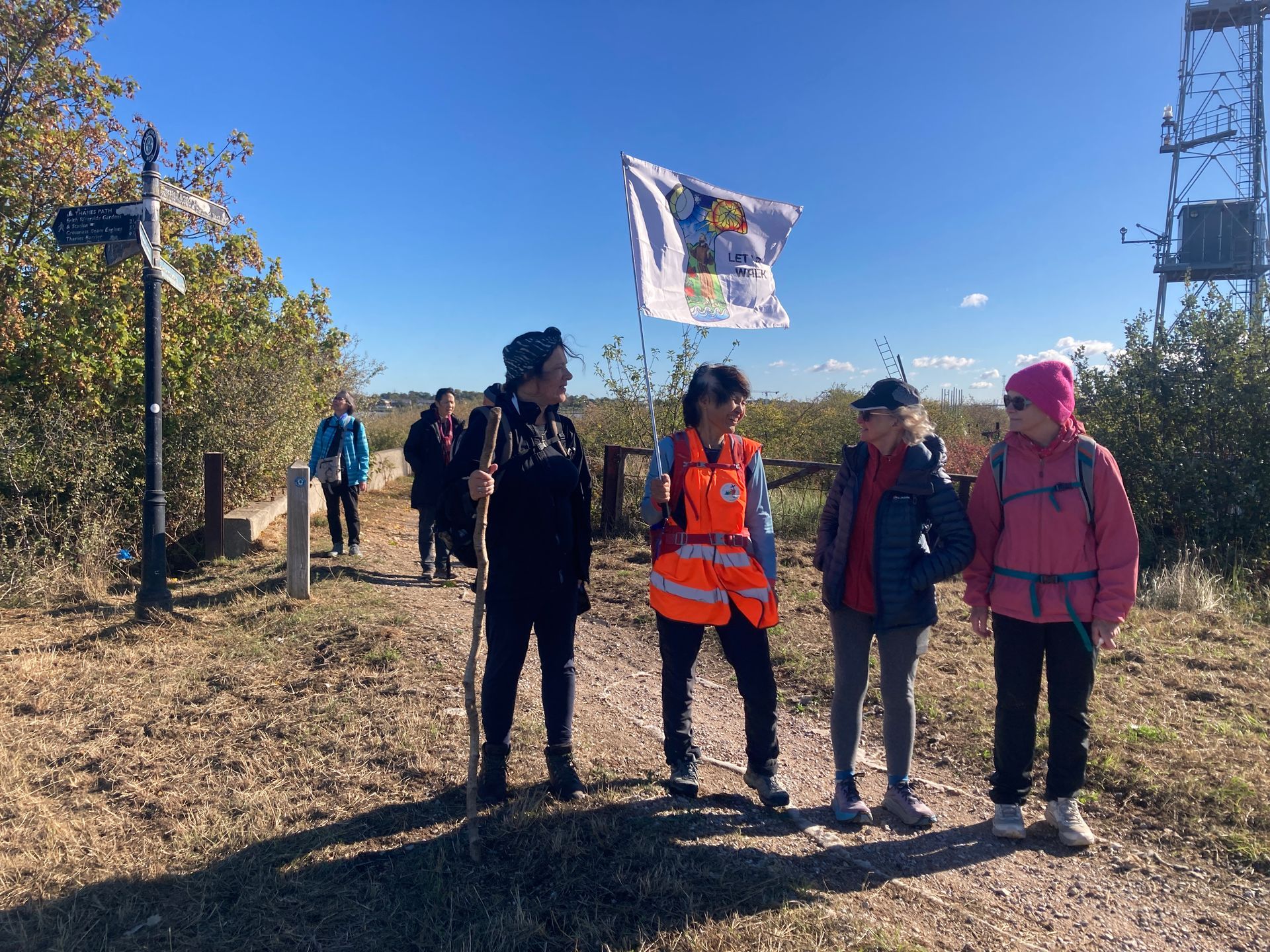
- Stockport. The Stockport walk was well established: the roads were well trodden and the route had settled. Eighteen pilgrims completed nine demanding days, with five others joining for different sections.
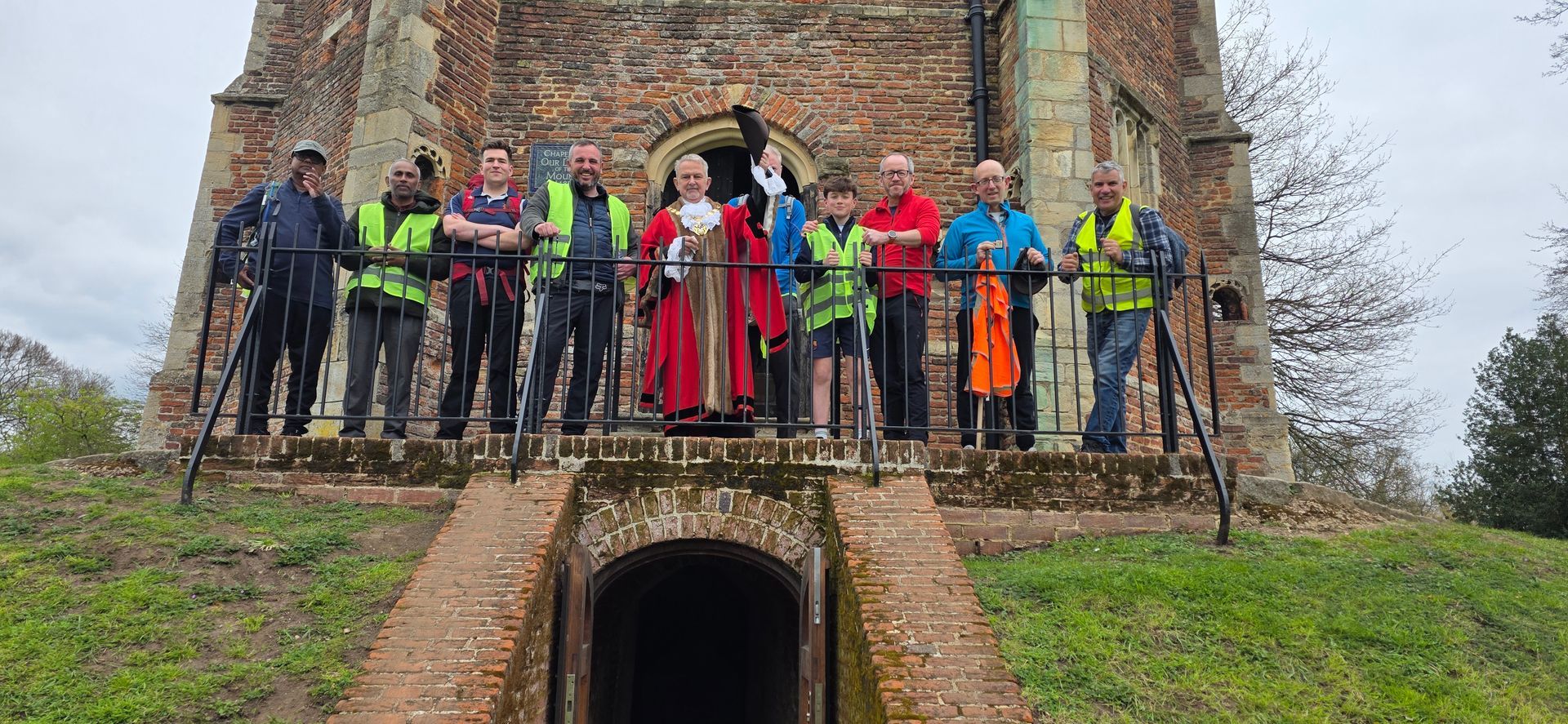
- Cambridge. The Cambridge pilgrimage—jokingly referred to as the “pilgrimage lite” for its shorter, flatter route—was also well established. This year’s group of seven arrived much better prepared than the inaugural walk 12 months earlier.
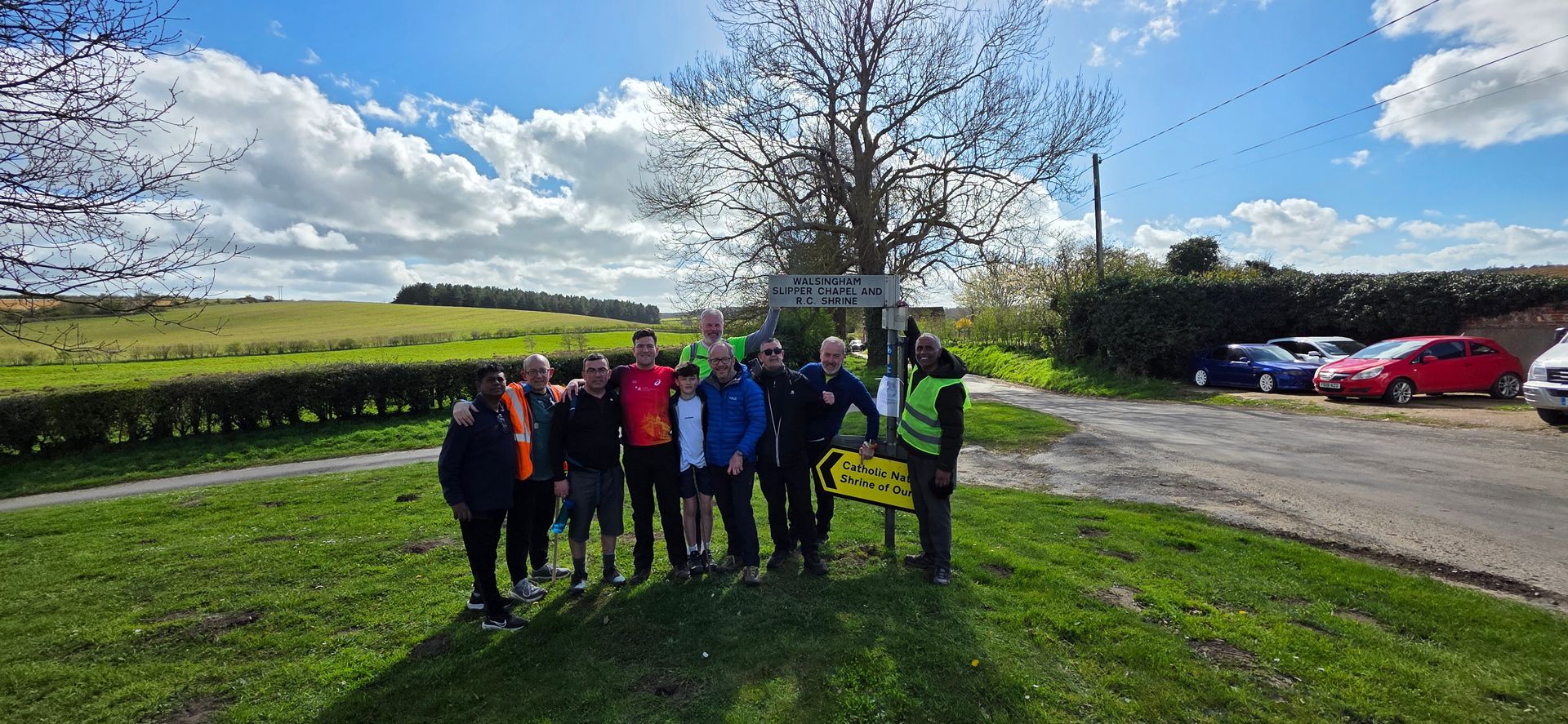
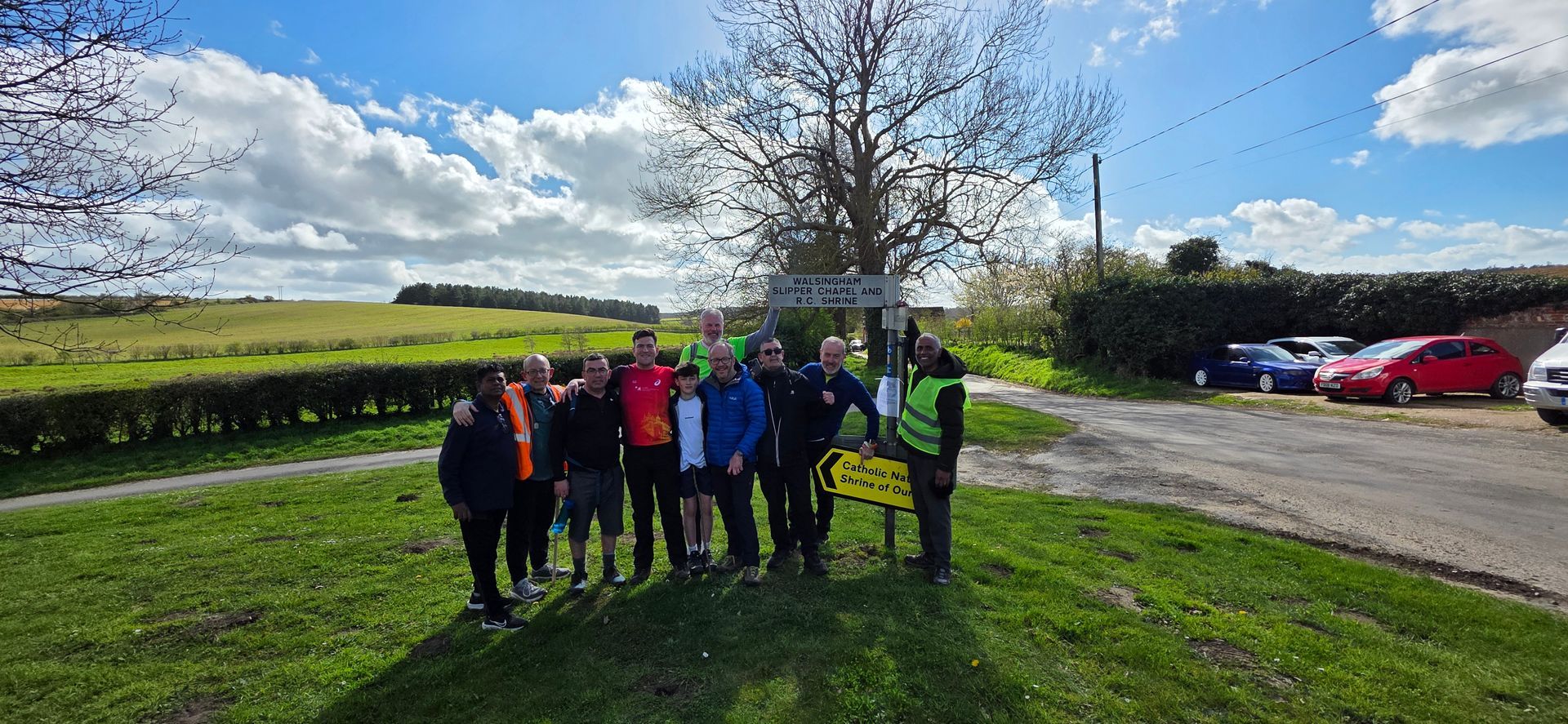
- Ampleforth Abbey. The most striking journey this year came from Ampleforth: a father and son completed an uncharted route through Yorkshire, over the Humber Bridge, and joined the Stockport walk just east of Holbeach. The son, Bertie, was only 14 and had never undertaken a challenge like this before. Seeing Bertie and his dad, Andrew, walking and praying together brought back my own memories of walking to Knock Shrine in Mayo with my father. Bertie’s example seemed to lift everyone. There was something hopeful about seeing a young teenage boy walking, praying the rosary, and persevering. When he arrived in Walsingham, he asked his dad to buy him his first set of rosary beads, just as he set an example for the older pilgrims, he too was set an example that resonated within.
Friendship on the road
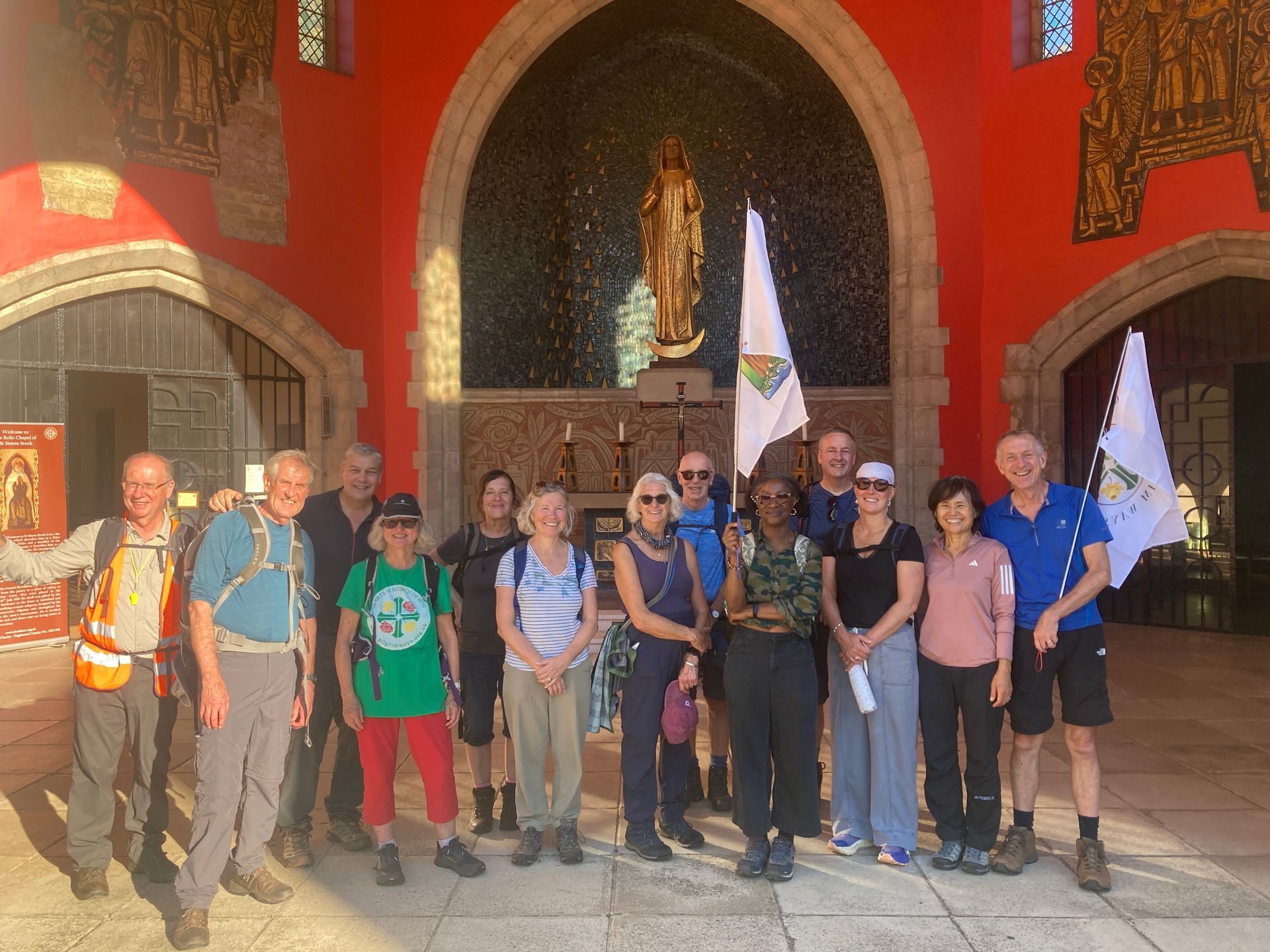
Across all three groups, one shared experience stood out: friendship. When you walked with someone for five to nine hours a day, with few distractions—and with the rosary prayed along the way—you came to know them well. On the Stockport walk, I watched bonds form quickly; after four days, we felt like a family.
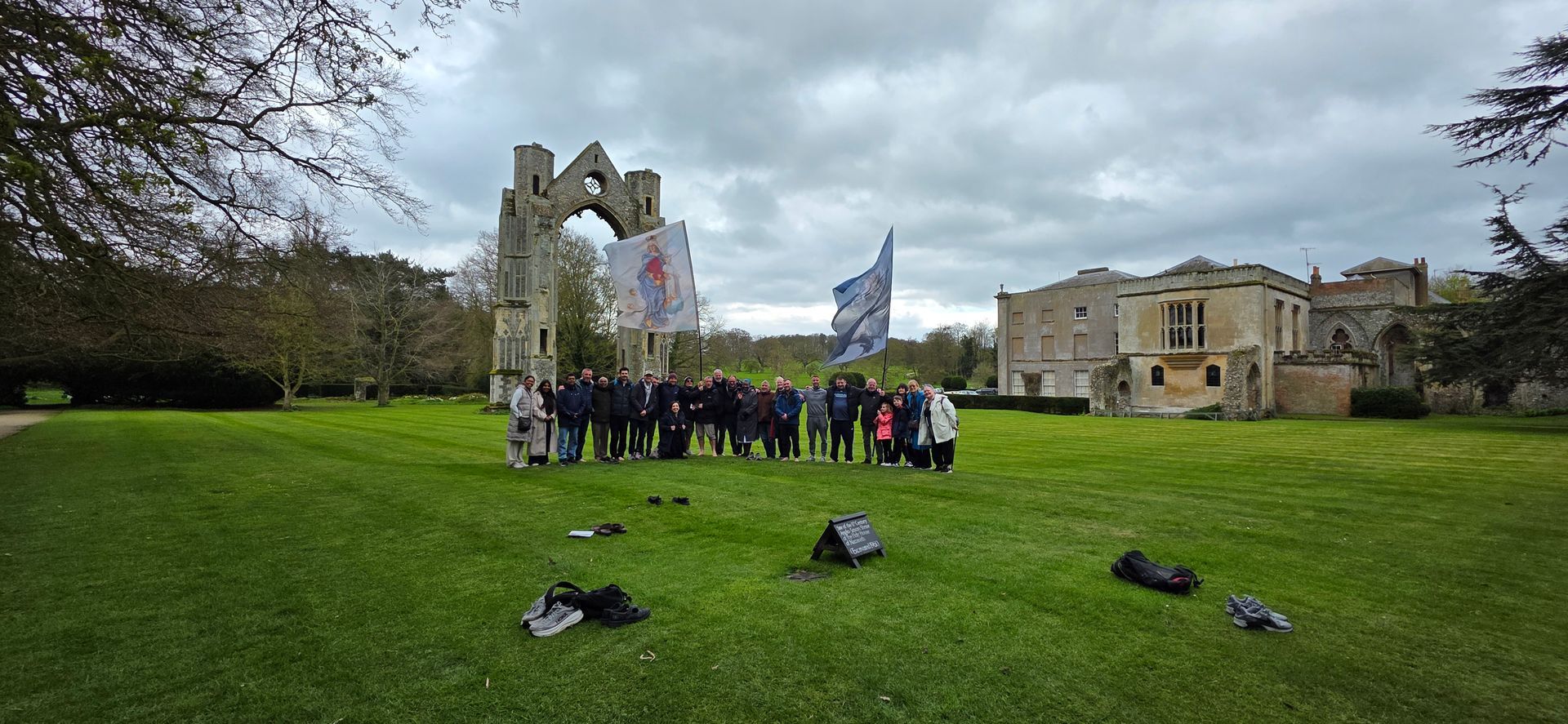
As we met Andrew and Bertie, then the Cambridge pilgrims, and finally the women who welcomed us into Walsingham and walked the Holy Mile with us to the Abbey Grounds, I saw a community forming from unlikely combinations of people. It reminded me of the way Jesus gathered and formed his disciples by walking with them—day after day—until they became a close-knit fellowship. That is what I witnessed on this pilgrimage in 2026.
The future
Next year, please God, we plan to walk again—Stockport, Cambridge and Yorkshire. But who else has heard this call? Where else will join in 2027: London, Birmingham, or somewhere else? If you feel God's call to step out, I encourage you to begin where you are: offer an intention, gather a few companions, and take the first steps. Many things help us to reclaim our Christian heritage, but I have found few as deeply spiritual and transforming as walking pilgrimage. Each day we end with Mass, and in a sense the pilgrimage became a daily walk to the altar: a journey to Calvary, where we worshipped our Lord in the mystery of his Passion.
Saint Teresa of Avila said “Christ has no body now but yours. No hands, no feet on earth but yours. Yours are the eyes through which he looks compassion on this world. Yours are the feet with which he walks to do good. Yours are the hands through which he blesses all the world. Yours are the hands, yours are the feet, yours are the eyes, you are his body. Christ has no body now on earth but yours.”
Christ is counting on you, Step out in faith.
Stephen Gallagher
Photos courtesy of Stephen Gallagher