Individual Walking Pilgrimage: the Basics
The key to any safe and successful walking pilgrimage is thorough preparation. This resource is a useful prompt.
Route Preparation
Wherever possible the route should be off road and along national walking trails. Potentially dangerous stretches of road should be avoided by changing the route. Roads with less traffic, wider verges or with clearer visibility should be chosen.
Physical Preparation
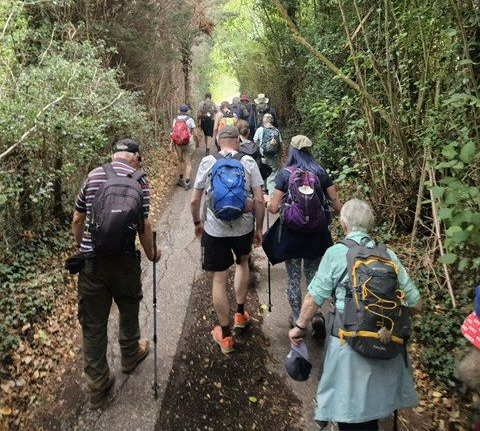
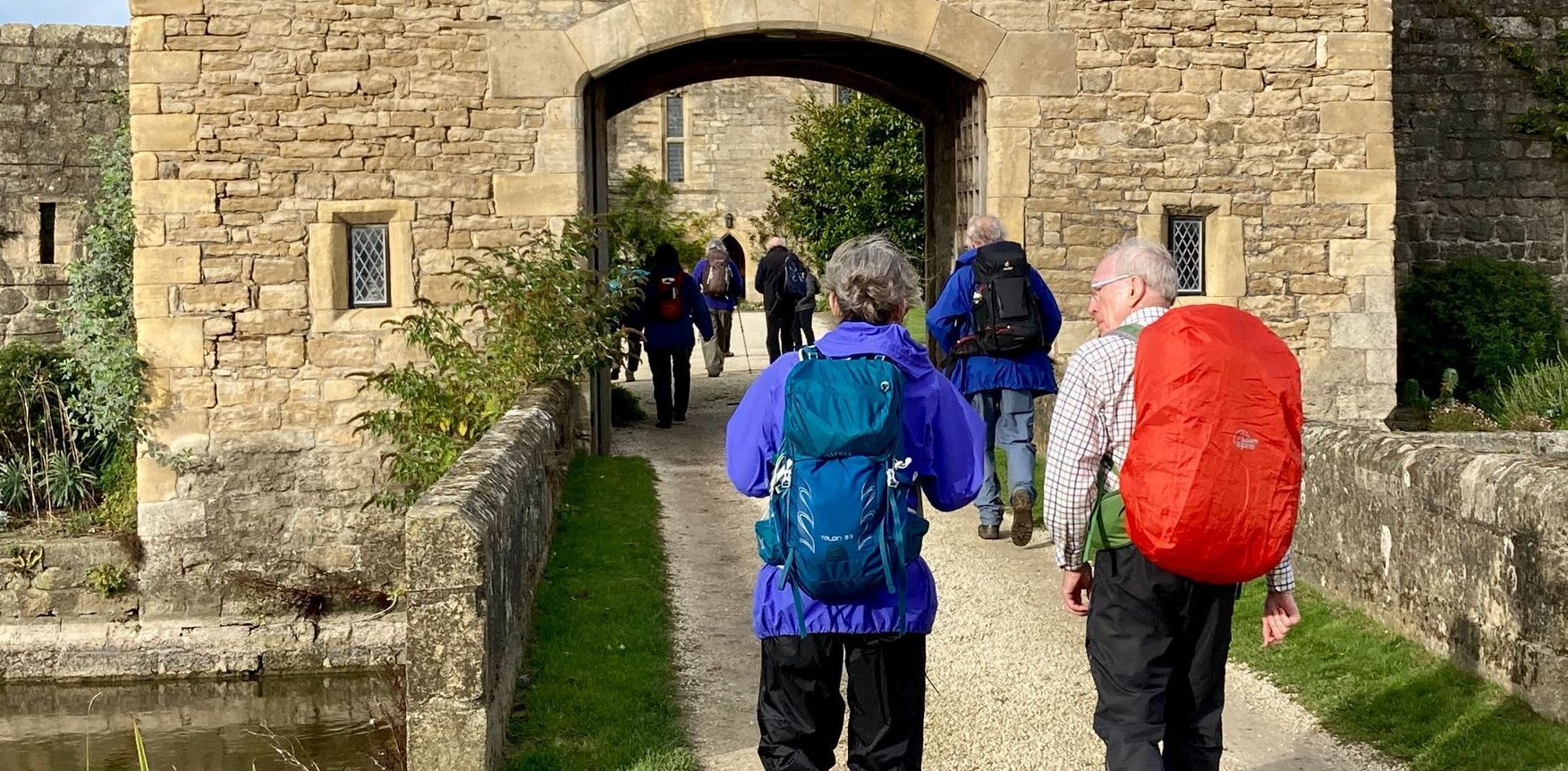
It is important that you prepare physically for your pilgrimage. You don't need to train intensively but make sure you have walked the distance you will need to walk each day. It is also important to make sure you have the right footwear, wet weather gear, appropriate clothing and any medication you take,
Read and then follow the Countryside Code. and Highway Code for Pedestrians .
There are helpful preparation tips from the Long Distance Walkers’ Association.
The Ramblers' Association has produced useful Ramblers’ Association safety advice.
The British Pilgrimage Trust has a helpful page on personal safety.
The Diocesan Pilgrim Way directions on this website have links to local public transport timetables so please check the latest information before you set off.
Beyond the essentials the less baggage you carry the happier you will be. This is true literally and also metaphorically. Travel light! A basic packing list may be useful and one can be downloaded here.
Insurance
You may wish to check that your travel insurance policy covers the activities involved in the walk. If not, you may want to contact the insurer to arrange the necessary cover. Specialist walking group insurers are available.
Equipment
Think about the equipment necessary for undertaking the walk. For example, this may include:
- A whistle to call for help
- Mobile phone and charger
- Hi-Vis jacket and torch
- Maps
- First Aid kit, spare water bottle, sun protection cream.
Plan for the worst!
Should you become unable to continue due to an injury, you will need to decide how to manage this situation. This will depend on the remoteness of the route. You may need to contact Emergency Services or Mountain Rescue.
Alcohol and the road
Not a good combination. Avoid it during the walking day.