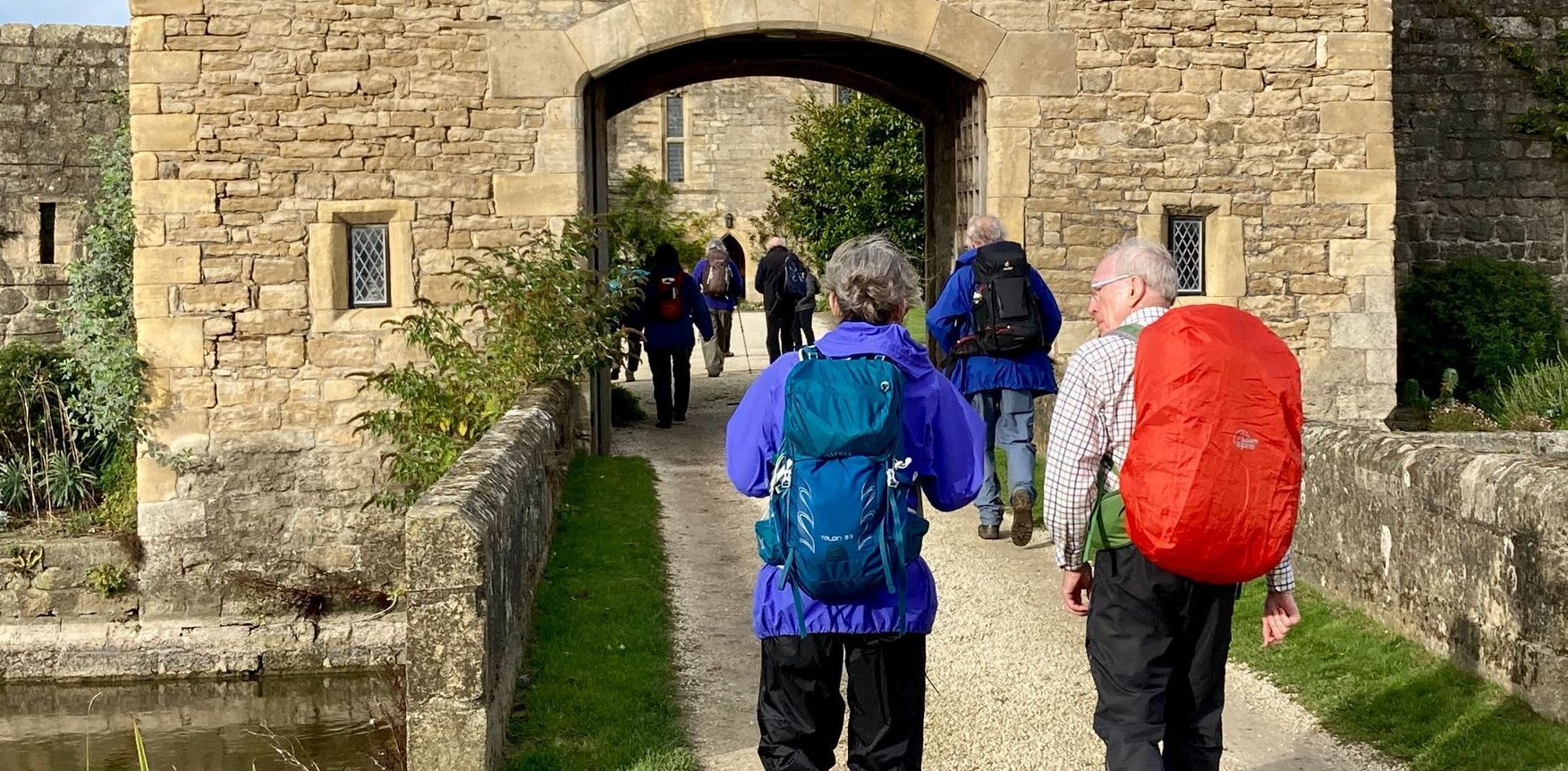
Individual Walking Pilgrimage: Enriching the Inner Journey
A pilgrimage is a journey undertaken by individuals or groups for religious or spiritual reasons, often to a sacred place or shrine of particular significance. It is an expression of faith and devotion that involves physical travel as well as inner exploration and transformation. Pilgrimages have been integral to many religious traditions throughout history, including Christianity, Islam, and Hinduism.
In the Catholic faith, a group pilgrimage is seen as a special journey of prayer and devotion. It is an opportunity for believers to deepen their relationship with God, seek spiritual renewal, and encounter the divine in tangible ways. Pilgrimages are not only about visiting holy sites but are also about the inward journey, seeking grace, forgiveness, healing, or enlightenment.
Planning the inner journey
Rejoice always, pray without ceasing, give thanks in all circumstances; for this is the will of God in Christ Jesus for you.
1 Thessalonians 5:16-17
Planning a personal pilgrimage is a sacred process. It can be a transformative and enriching spiritual experience. Walking alone provides the opportunity for solitude, encounter with strangers and closeness to nature. Individual walking pilgrimage can give insights into the communities passed through. .
The destination
When choosing a destination for your pilgrimage, consider the following factors:
- Popular pilgrimage sites: Explore well-known pilgrimage sites, such as shrines dedicated to saints, historic churches, or locations associated with miracles or apparitions.
- Accessibility: Ensure the pilgrimage site is accessible to you given your age and physical abilities.
- Accommodation: If you need overnight accommodation, try to find options which align with the aims of the pilgrimage and are affordable. These may include retreat centres, religious houses or hospitable parishes. The British Pilgrimage Trust’s Sanctuary Network provides affordable options such as churches, church halls, village halls or sports pavilions.
- Cultural relevance: The Catholic community in England & Wales is incredibly diverse in terms of ethnicity and culture. Consider the cultural context of the pilgrimage destination and its significance.
Setting dates and itinerary
Creating a well-planned itinerary is essential.
- Dates: Select dates that coincide with religious feast days, significant anniversaries, or local events that enhance the spiritual significance of the pilgrimage. Don’t forget the weather!
- Itinerary: Develop an itinerary that incorporates a variety of activities catering to spiritual, educational, and recreational needs. Include daily Mass if possible, opportunities for prayer and reflection, guided tours of sacred sites, and times of silence and openess to encounter with others.
- Prayer and reflection: Plan specific prayer stops, devotions, and meditations that align with the pilgrimage theme or focus. Include encounters with local religious communities.
Before the way
I rejoiced when they said to me, “Let us go to the house of the LORD.”
Psalm 122:1
Preparing yourself spiritually is essential for a good pilgrimage experience.
Prayer and reflection resources can be found here.
- Personal spiritual preparation: Prior to the pilgrimage research the route and plan to make the experience as deeply as possible. Try to find daily Scripture readings, novenas, or devotional exercises related to the pilgrimage theme.
- Indentify a personal intention for the journey: This might be to pray for healing, to give thanks for some event, to commemorate a loved one or to raise money for a cause close to your heart.
- Talk to others about your plans: Try to find books about the way you have chosen or speak to others who have walked it. Find resources that address the themes of the pilgrimage, such as faith renewal, healing, or devotion to specific saints.
- Share your spiritual intentions: This may include your talking about your concerns and hopes for the pilgrimage with family, friends, and your home community.
On the road
Teach me your way, O Lord, that I may walk in your truth; unite my heart to fear your name.
Psalm 86:11
Incorporating liturgies, personal prayer and rituals enhances the spiritual depth of the pilgrimage.
Resources can be found here.
- Masses and Sacraments: Where possible, try to find Masses at significant pilgrimage sites, allowing yourself to participate in the liturgy and be nourished by the Eucharist. Receiving the Sacrament of Reconciliation (confession) can foster spiritual healing and renewal.
- Devotions: Plan to include devotions that symbolise the journey of faith such as praying the Rosary, Stations of the Cross, or other traditional Catholic prayers relevant to the pilgrimage theme.
- Rituals: Integrate symbolic rituals like lighting candles at sacred shrines, making offerings of prayer intentions, or reciting specific prayers associated with the pilgrimage's spiritual objectives.
- Silence: It is good to include a period of intentionally silent walking, giving yourself the opportunity to reflect on your own intentions for the pilgrimage. Research guidance on contemplative practices that encourage inner reflection.
- Fellowship: You may encounter others on the way. Try to be open to these as opportunities for sharing your pilgrimage with others. It may be possible to join communal meals, shared experiences, and social gatherings entoute.
At the destination
And people will come from east and west, and from north and south, and recline at table in the kingdom of God. And behold, some are last who will be first, and some are first who will be last.”
Luke 13:29-30
It is important to plan how you will mark your arrival at the shrine or other destination, or there may be a sense of anti-climax.
Resources can be found here. Consider:
- Welcome: by the Shrine Director, clergy, staff or parishioners.
- Shared prayer: it is important to mark the end of the pilgrimage with a prayer which is relevant to the site and theme.
- Tour of the destination and an explanation of its religious and cultural significance.
- Devotions: for example, lighting three candles, one for the pilgrim’s personal intentions and for any that others have asked him or her to pray for, one in gratitude for the people who helped along on the Way, and one in hope for those who will follow.
- Masses and Sacraments: Where possible, arrange a final Mass and the opportunity to receive the Sacrament of Reconciliation (confession). If this is not possible then the Evening Prayer of the Church for the day may be a good way to end the pilgrimage.
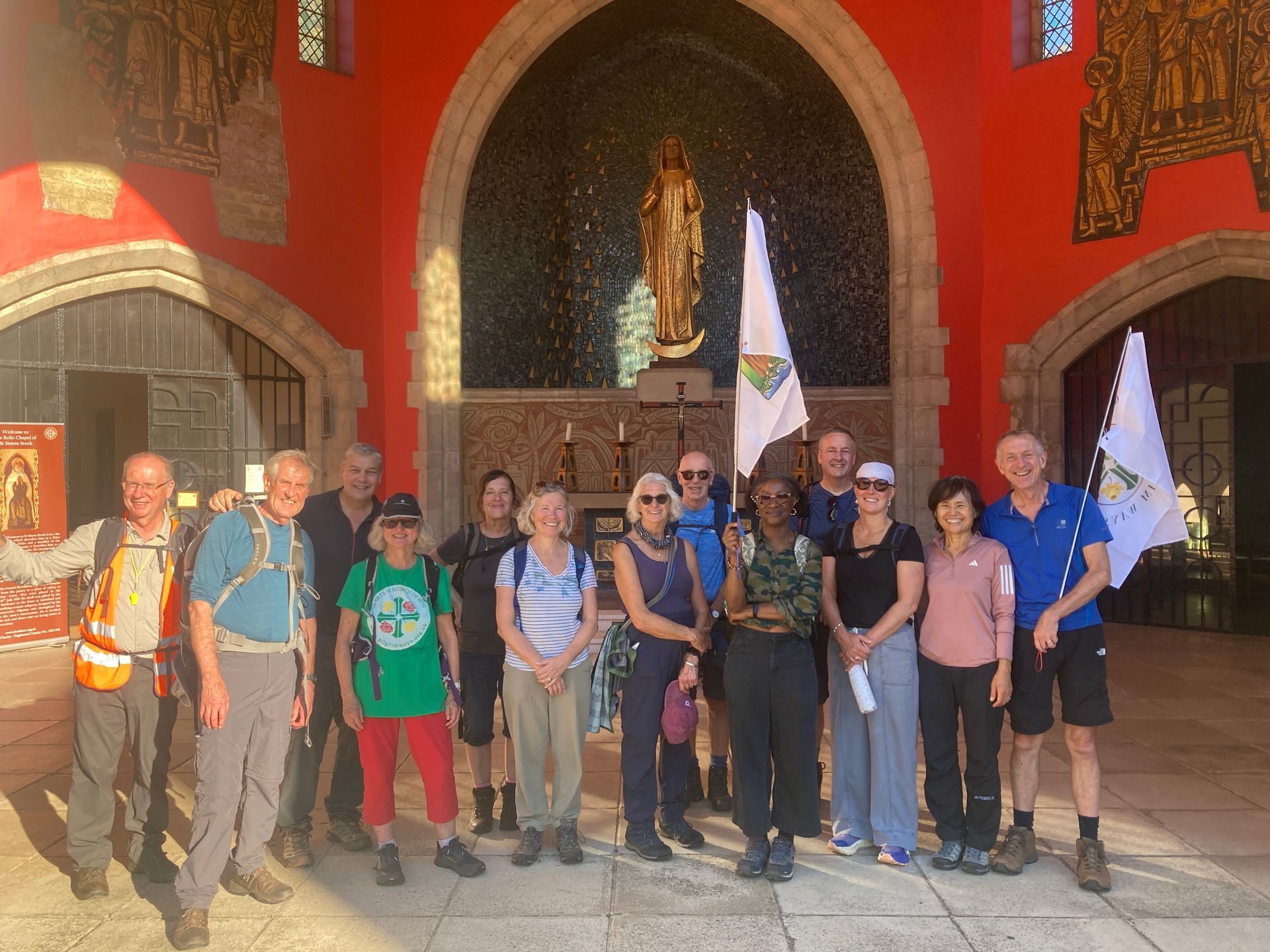
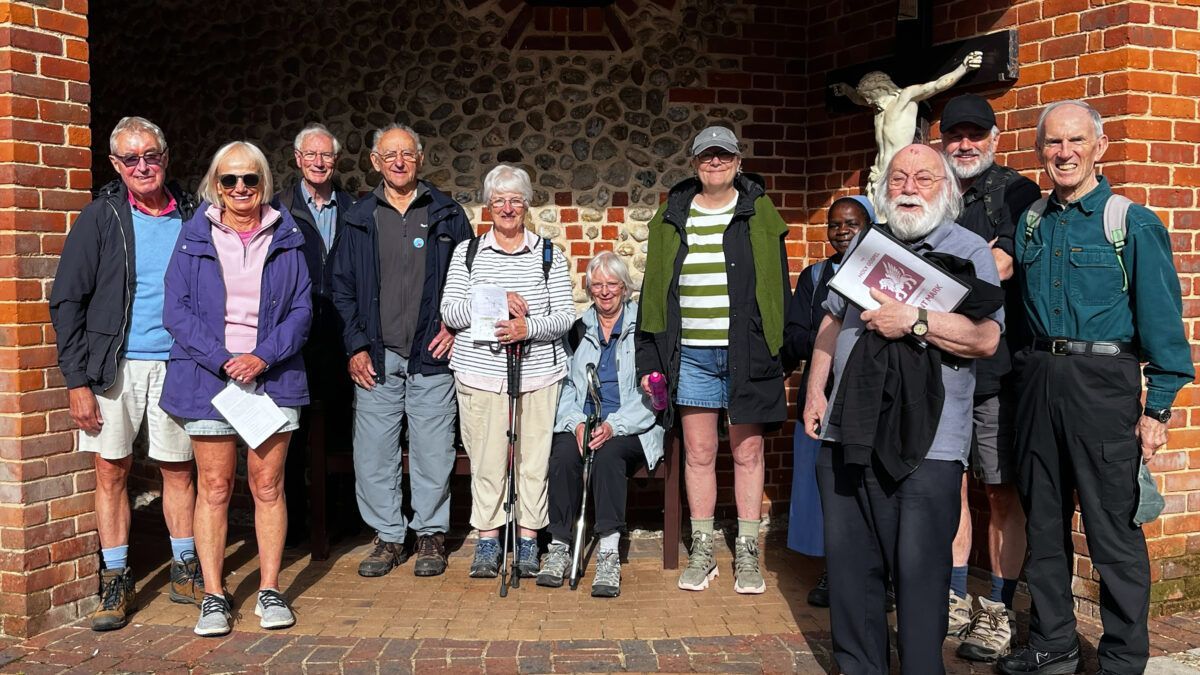
- Fellowship over tea and coffee is always welcome and a group photo with others at the destination!
After the way
Come to me, all who labour and are heavy laden, and I will give you rest. Take my yoke upon you, and learn from me, for I am gentle and lowly in heart, and you will find rest for your souls. For my yoke is easy, and my burden is light.”
Matthew 11:28-30
Continuing the pilgrimage experience beyond the journey itself is important for sustaining spiritual growth.
Resources can be found here.
- Personal reflection: Try to reflect on the experience and to continue the journey.
- Reflect and Learn: Consider offering to speak to your community to share the experience and its impact on your faith journey.
- Plan Future Pilgrimages: Use insights from the pilgrimage experience to plan future pilgrimages that address the your evolving spiritual needs. Collaborate with other pilgrims, and clergy to identify new destinations, themes, and spiritual objectives for upcoming journeys.
Phil McCarthy
NB I am grateful to Molly Conrad and Elliot Vanstone for their contributions to the development of this resource.