A Pilgrimage for Peace Through Justice

David Richardson • October 6, 2023

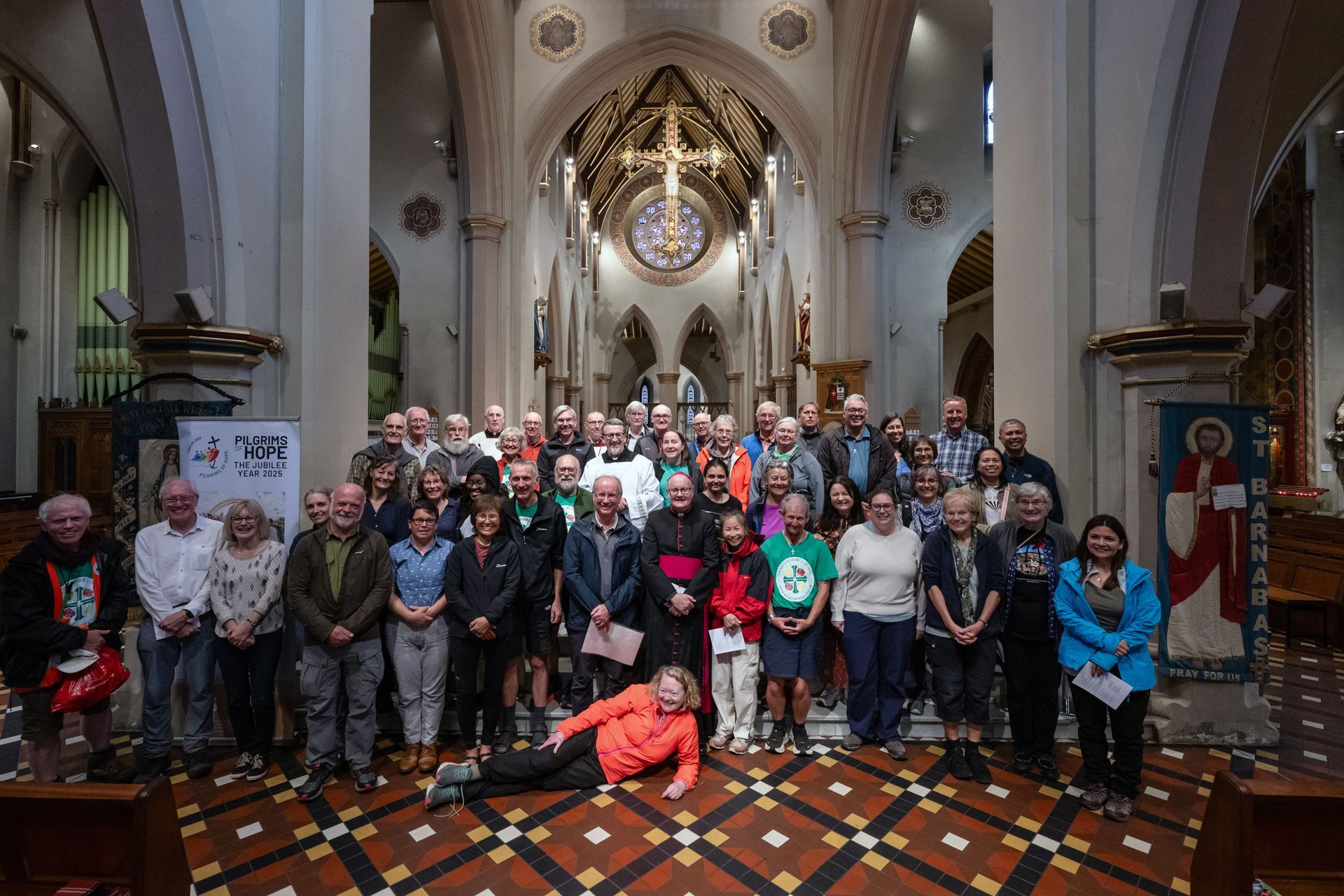
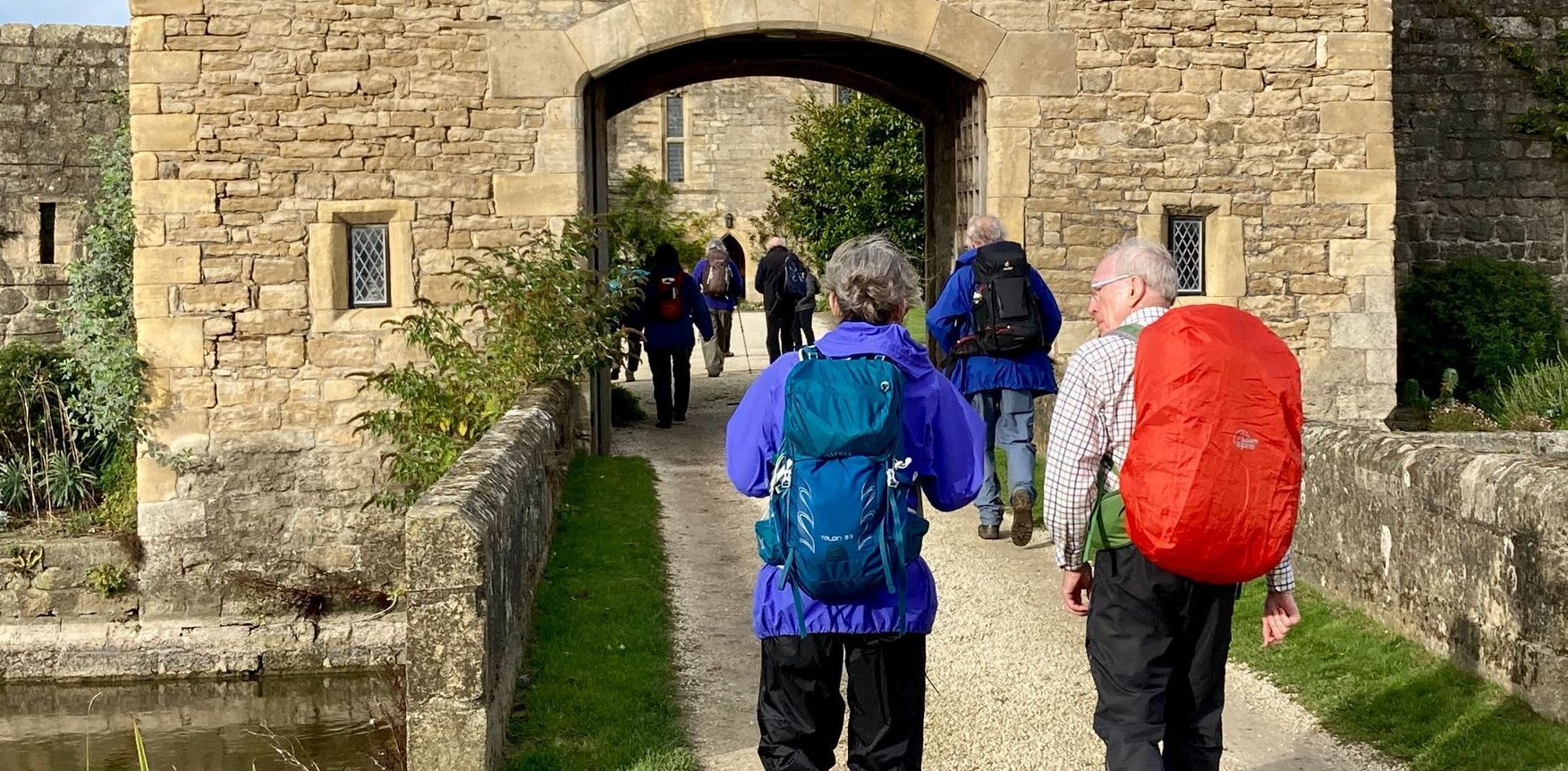
On Tuesday, 5th September, Faith Justice, who are members of the Passionist community, along with other faith denominations, embarked on a six-day Peace Pilgrimage from Oxford to the Defence & Security Equipment International (DSEi) arms fair in London.


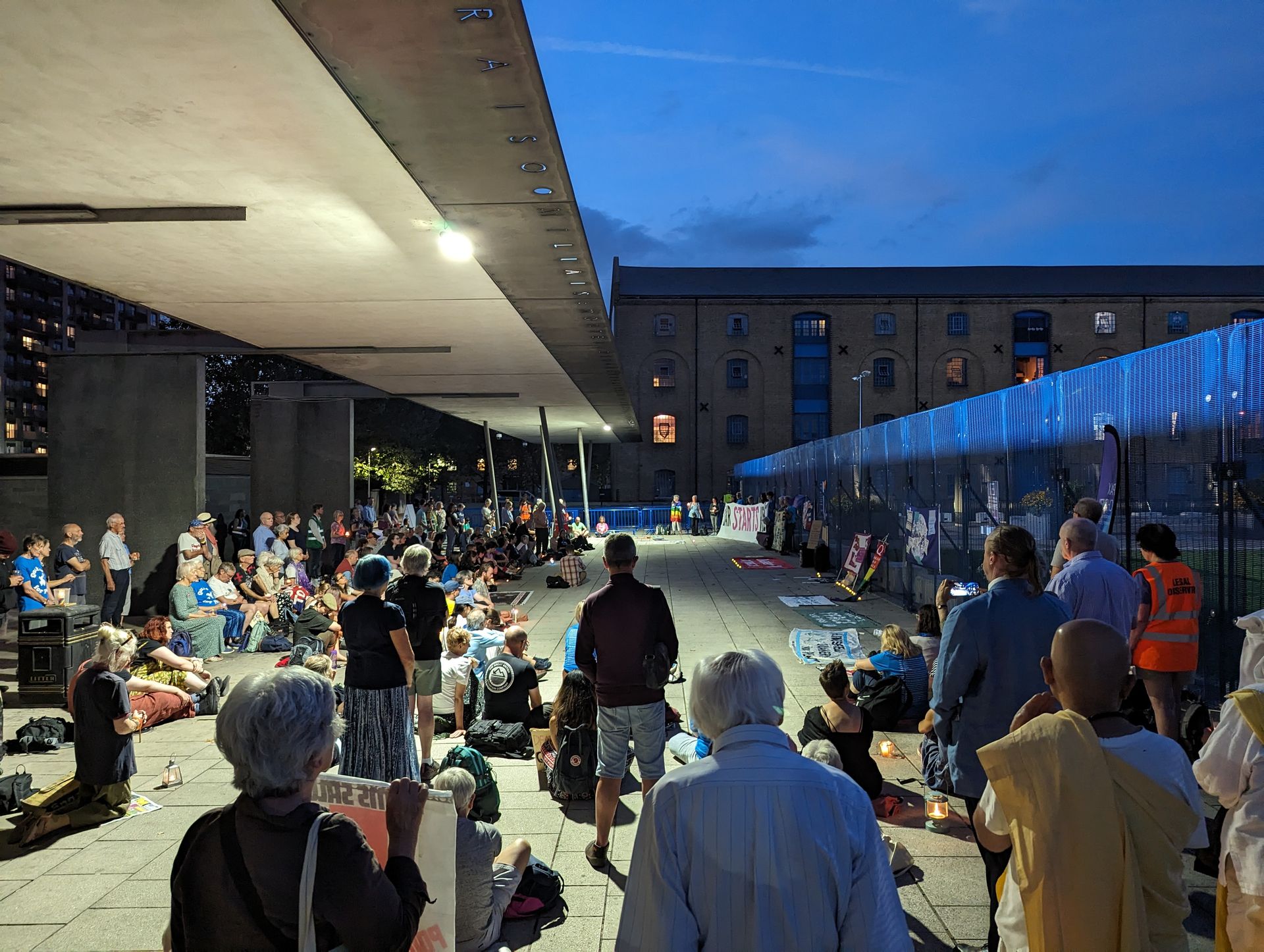
The pilgrims relied on the generosity of others to feed and house them during their pilgrimage. Upon reaching the arms fair, they participated in a candlelit vigil with other peace protesters to protest against the DSEi arms fair and promote peace.


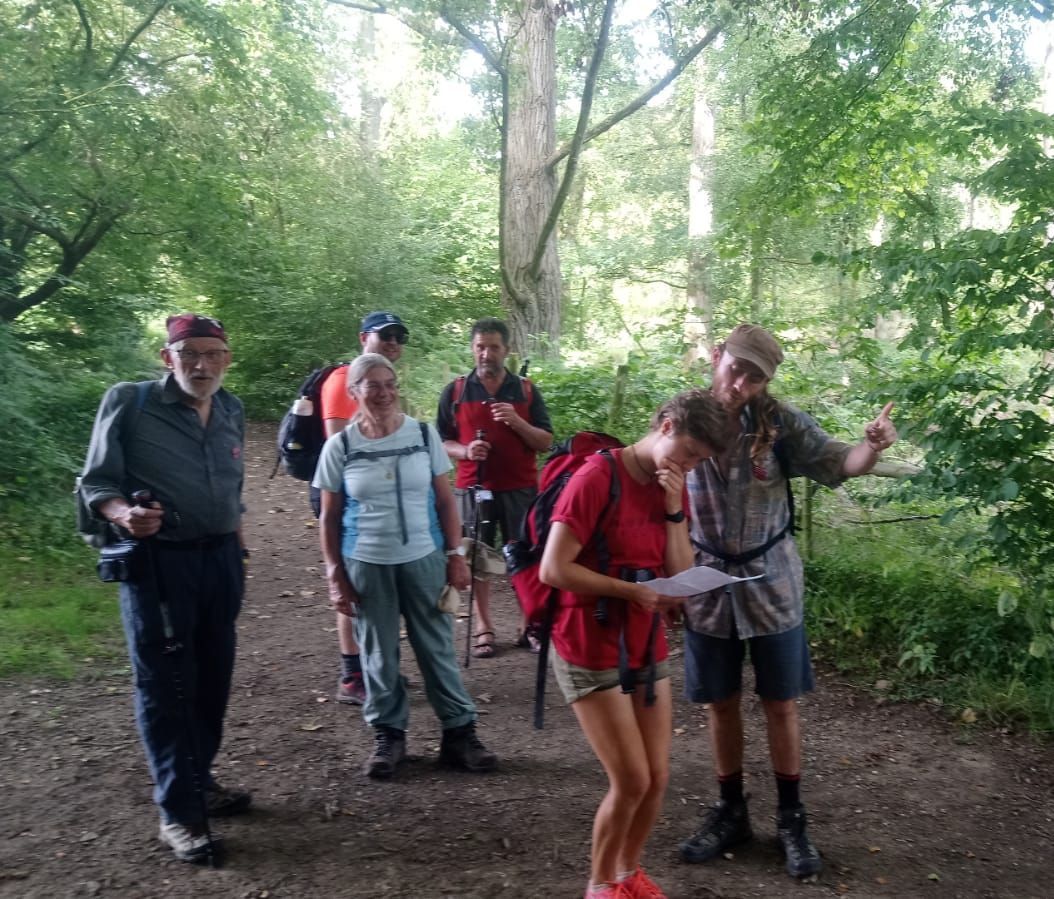
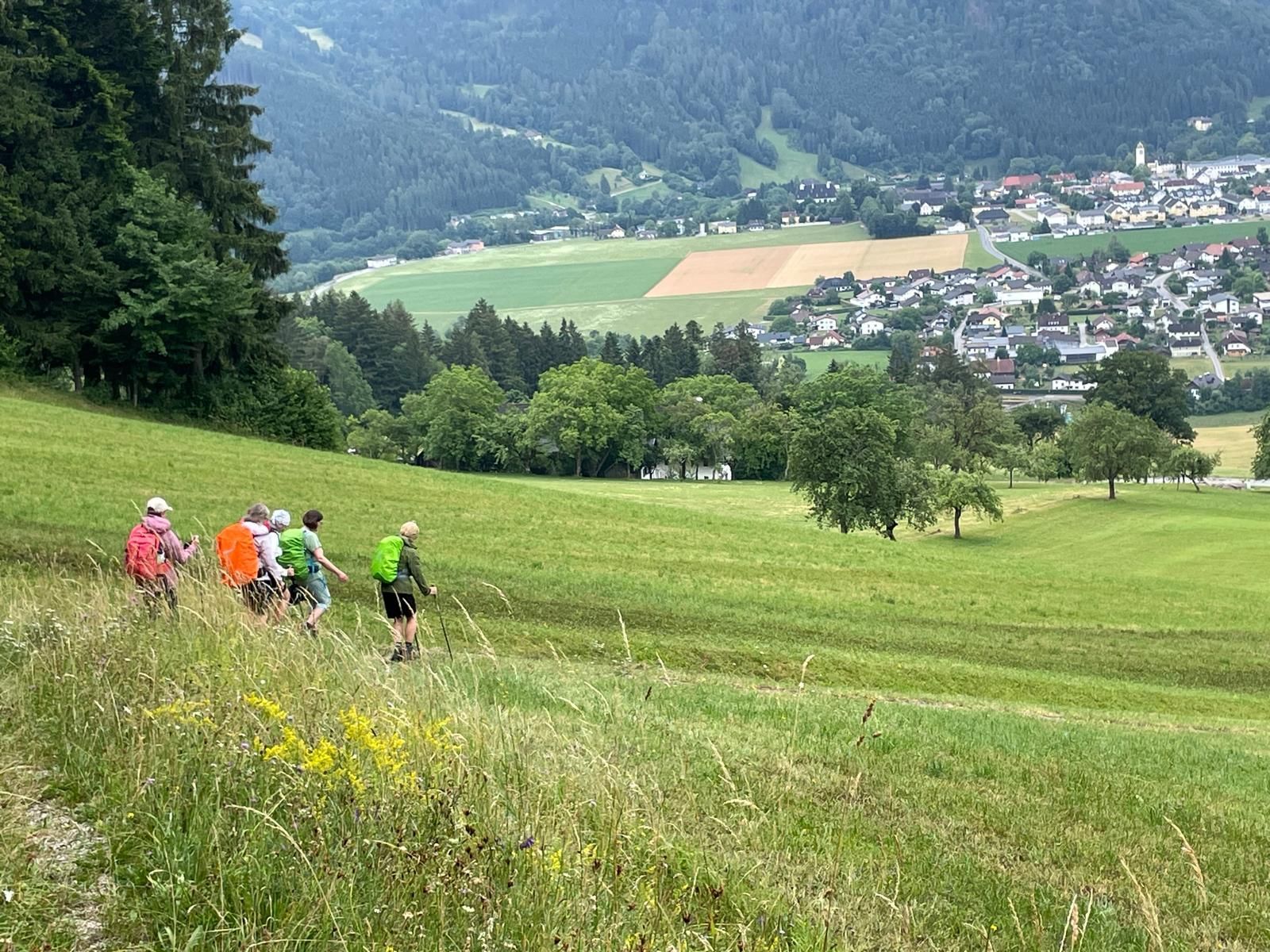
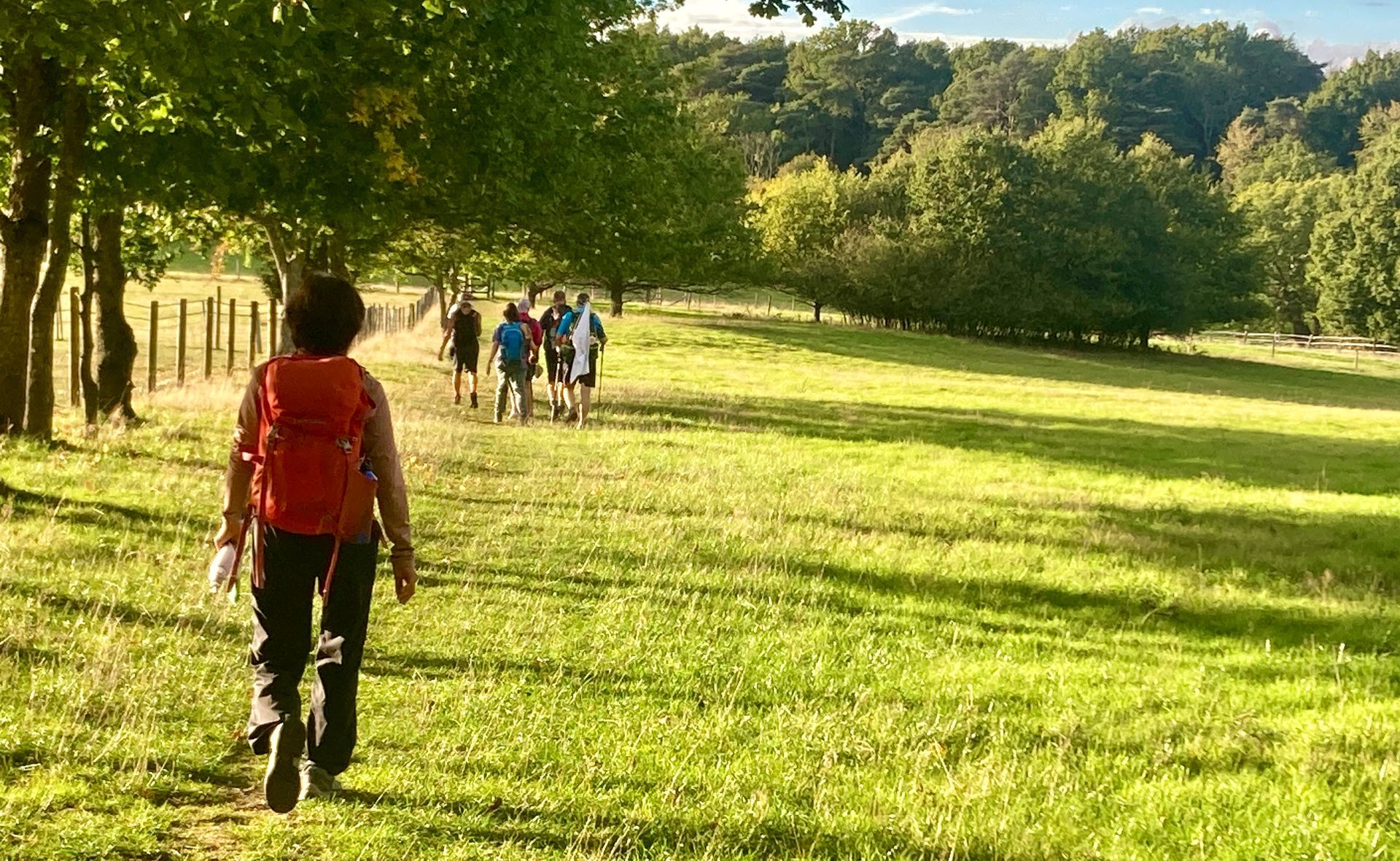
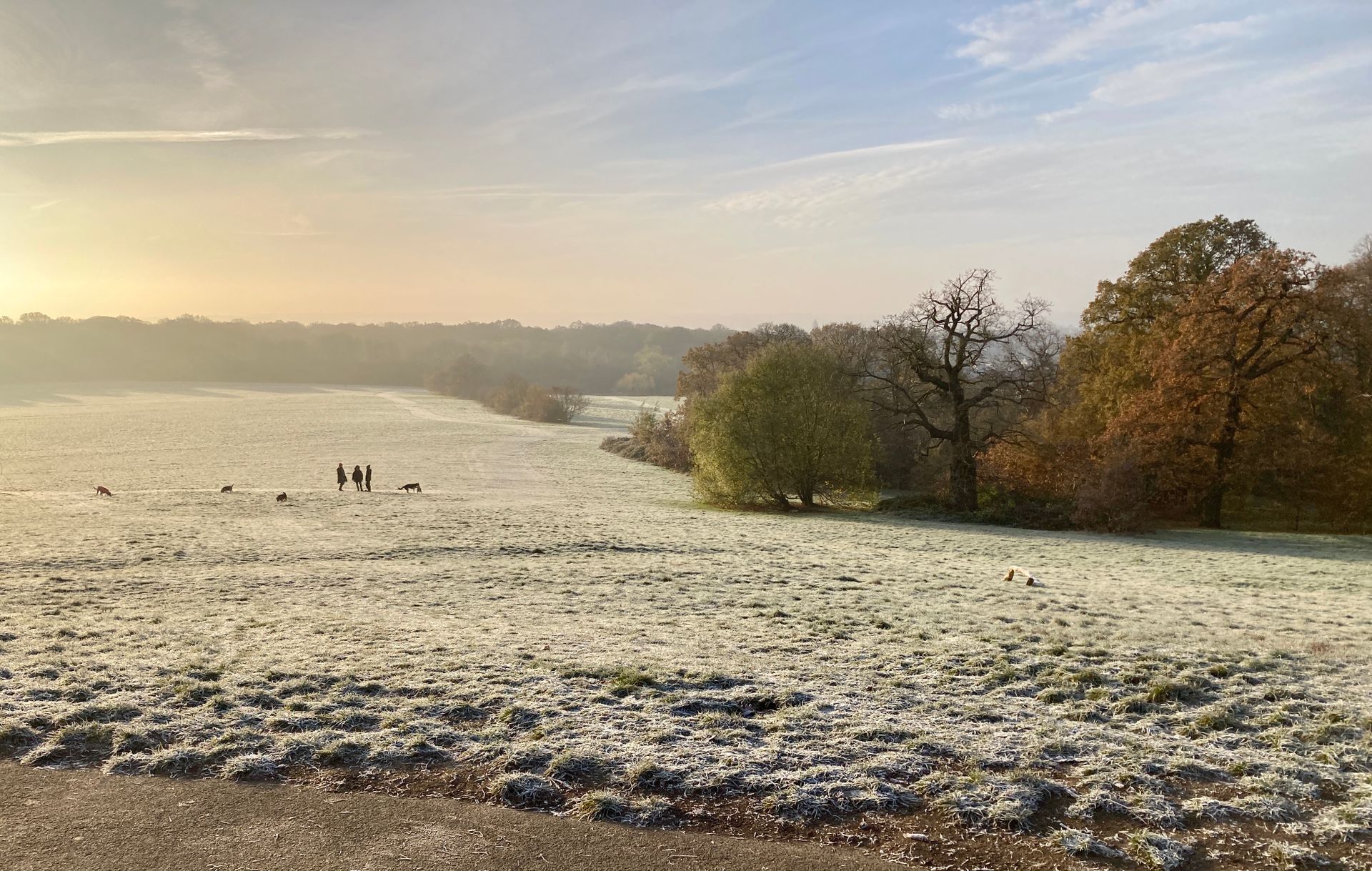
Oxford, with its rich spiritual past reaching back to the Middle Ages, was an appropriate starting point to begin the pilgrimage. From Oxford, the pilgrims were treated to a picturesque walk through the idyllic English countryside. The journey took them through serene fields, quaint villages, ancient woodlands, and alongside the river Thames. The route, which is a mix of ancient pathways and modern footpaths, offered them stunning landscapes and made for a rewarding start to the pilgrimage.


Every day from 11:00 a.m. to 12:00 p.m. during the pilgrimage, they walked silently, on a journey of self-discovery, reflection and quiet contemplation. The act of walking, combined with the intentional nature of a pilgrimage, provided the perfect setting for personal contemplation, which concluded with them praying Mother Teresa's Peace Prayer.


As the pilgrims walked from High Wycombe. The journey took them through suburban areas before transitioning into a more rural terrain of, tree-lined country roads, footpaths, and bridleways that wind through the rolling Chiltern Hills. The walking was tiring due to the hot weather, with a mixture of inclines and uneven ground. Regular breaks were welcomed with lots of water to quench their thirst, it was here where they learned the power of perseverance, self-care and mindfulness.


After a long walk, they stopped at the Royal Standard of England pub for refreshments. The pub was established in 1213 and is now considered a historic landmark and a symbol of British heritage. Set amidst charming landscapes, the pub whispered tales of the past and provided our weary travellers with a much-needed break.


After lunch, they proceeded on their journey, which included a stop at Jordan's Quaker Meeting House, accessed by a small winding road and sitting among ancient woodland in Beaconsfield. The Meeting House was constructed in just three months during the autumn of 1688, one of the earliest Quaker Meeting House built after James II issued his Declaration of Indulgence in 1687. This declaration allowed Quakers and other non-conformist groups to worship legally for the first time. The Meeting House holds great historical significance as it is the final resting place of the Quaker William Penn, the founder of Pennsylvania.


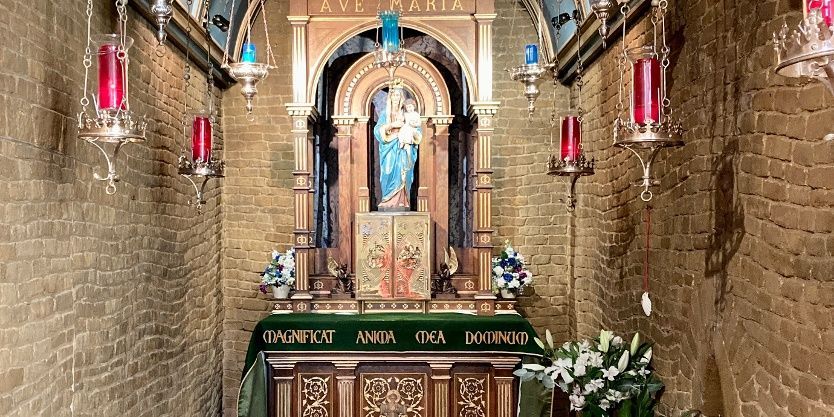
During their time at the Meeting House, they had the opportunity for physical and spiritual refreshment. They were invited to sit in meditative silence in the original meeting hall, with its oak beams and centuries-old tiled floor. The plain wooden seats they occupied were the same ones that had been used by many others before them, each with their own story to tell.


On Thursday evening, the pilgrims' journey concluded for the day at the Catholic Worker Farm, which was birthed from the Catholic Worker movement. The property spans two acres of land in idyllic countryside, with a large grassed garden to the rear, which on a hot day is soothed by the cool lapping waters of the large lake that adjoins it. The hospitality shown to our pilgrims was, attentive, generous and welcoming, with the peace and charm of the farm enshrouding.


The Catholic Worker Farm has provided shelter for vulnerable women and children since it opened in August 2006. Over 600 women have been accommodated. The women have faced difficult circumstances, including torture, rape and the loss of loved ones. More often than not, these women and their children's experiences, either directly or indirectly, are a result of war. It is here that they are offered free accommodation, food, English classes, counselling, and other vital services. The Catholic Worker Farm relies on generous donations from others to operate, more can be found on their website.


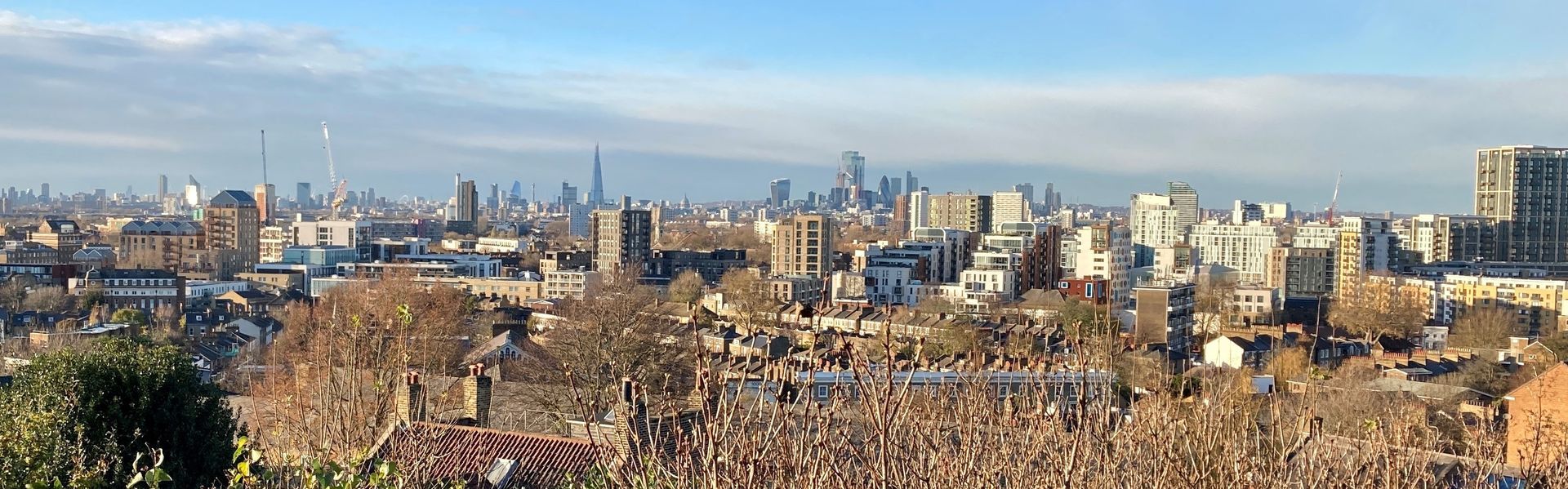
As the pilgrimage progressed on their journey, a transformation unfolded. The horizon gradually traded its wild contours for the rigid, orderly lines of urban architecture. The earth beneath them gave way to the unyielding embrace of tarmac pavements, busy with people going about their business, and the pilgrims weaving between them. The scent of damp earth and vegetation was replaced by a mix of city aromas: exhaust, fast food, and the indefinable energy of London life.

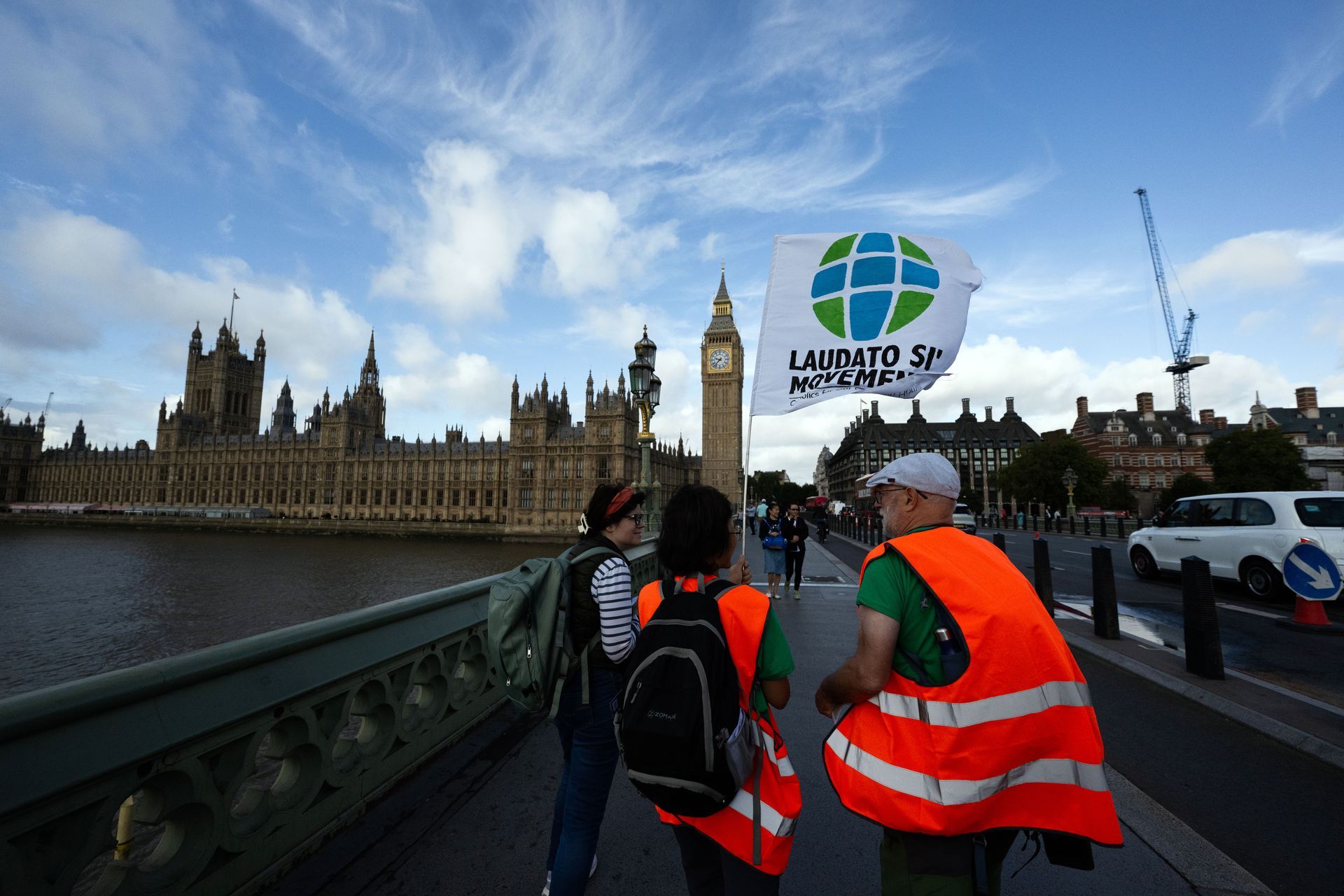
As the pilgrims passed through London, they stopped at the headquarters of several arms companies based in the city of London to offer prayers of peace.


On Monday evening, the pilgrimage concluded outside the gates of the DSEI arms fair. About 170 peacemakers of various faiths and denominations attended the vigil.


The peaceful demonstration of unity was evident as the peacemakers held candles and embraced the silence. In this setting, words were not necessary for the peacemakers to convey their intentions. Instead, their presence and collective energy spoke volumes. It was a time of reflection and connection with their God. Through this simple act of sitting in silence, there was hope.


Satish Kumar, an Indian-British activist, speaker, author, and pilgrim, completed a peace pilgrimage of over 8,000 miles. In the inaugural Peace Pilgrimage Podcast, he reminded us that with a world population of over 7 billion people, there are also 7 billion unique paths to becoming catalysts for positive change. For our pilgrims, it was walking the Peace Pilgrimage. What is it for you? 


Throughout the peace pilgrimage, regular podcasts were made with prominent guest speakers who spoke on various subjects, including pilgrimage, global warming, the environment, arms trade and the inspiring story about the Catholic Worker Farm. These podcasts can be found through the following link. The Peace Pilgrimage was sponsored by the Sisters of St Joseph of Peace.


David Richardson, Peace through Justice Worker for the Sisters of St Joseph of Peace.

 

By Anne E Bailey December 5, 2025
A new video of the Jubilee Pilgrimage of Hope from Anne E Bailey
O
By Alex Knox December 3, 2025
Over the last 12 months, Alex Knox walked Britain’s newest pilgrimage with its youngest pilgrim. This is their story.
By Torin Brown December 3, 2025
Torin Brown, Pilgrim Officer at Canterbury Cathedral, asks why pilgrimage still 'packs a spiritual punch' in a secular age.
By Christian Jenkins December 2, 2025
Christian Jenkins describes a the first Our Lady of Christendom pilgrimage in the UK from Tewkesbury Abbey to Evesham!
By Phil McCarthy December 1, 2025
A podcast about pilgrimage has been launched, hosted and created by Torin Brown, the pilgrim officer at Canterbury Cathedral!
By Nick Dunne December 1, 2025
The Confraternity of Pilgrims to Rome are delighted to announce the formal recognition of the Francigena Britannica from London to Canterbury, and their annual conference on 14th March 2026!
By Phil McCarthy November 29, 2025
The key to any safe and successful walking pilgrimage is thorough preparation. This resource is a useful prompt.
By Phil McCarthy November 29, 2025
A pilgrimage is a journey undertaken by individuals or groups for religious or spiritual reasons, often to a sacred place or shrine of particular significance. It is an expression of faith and devotion that involves physical travel as well as inner exploration and transformation. Pilgrimages have been integral to many religious traditions throughout history, including Christianity, Islam, and Hinduism. In the Catholic faith, a group pilgrimage is seen as a special journey of prayer and devotion. It is an opportunity for believers to deepen their relationship with God, seek spiritual renewal, and encounter the divine in tangible ways. Pilgrimages are not only about visiting holy sites but are also about the inward journey, seeking grace, forgiveness, healing, or enlightenment. Planning the inner journey Rejoice always, pray without ceasing, give thanks in all circumstances; for this is the will of God in Christ Jesus for you. 1 Thessalonians 5:16-17 Planning a personal pilgrimage is a sacred process. It can be a transformative and enriching spiritual experience. Walking alone provides the opportunity for solitude, encounter with strangers and closeness to nature. Individual walking pilgrimage can give insights into the communities passed through. . The destination When choosing a destination for your pilgrimage, consider the following factors: Popular pilgrimage sites: Explore well-known pilgrimage sites, such as shrines dedicated to saints, historic churches, or locations associated with miracles or apparitions. Accessibility: Ensure the pilgrimage site is accessible to you given your age and physical abilities. Accommodation: If you need overnight accommodation, try to find options which align with the aims of the pilgrimage and are affordable. These may include retreat centres, religious houses or hospitable parishes. The British Pilgrimage Trust’s Sanctuary Network provides affordable options such as churches, church halls, village halls or sports pavilions. Cultural relevance: The Catholic community in England & Wales is incredibly diverse in terms of ethnicity and culture. Consider the cultural context of the pilgrimage destination and its significance. Setting dates and itinerary Creating a well-planned itinerary is essential. Dates: Select dates that coincide with religious feast days, significant anniversaries, or local events that enhance the spiritual significance of the pilgrimage. Don’t forget the weather! Itinerary: Develop an itinerary that incorporates a variety of activities catering to spiritual, educational, and recreational needs. Include daily Mass if possible, opportunities for prayer and reflection, guided tours of sacred sites, and times of silence and openess to encounter with others. Prayer and reflection: Plan specific prayer stops, devotions, and meditations that align with the pilgrimage theme or focus. Include encounters with local religious communities. Before the way I rejoiced when they said to me, “Let us go to the house of the LORD.” Psalm 122:1 Preparing yourself spiritually is essential for a good pilgrimage experience. Prayer and reflection resources can be found here . Personal spiritual preparation: Prior to the pilgrimage research the route and plan to make the experience as deeply as possible. Try to find daily Scripture readings, novenas, or devotional exercises related to the pilgrimage theme. Indentify a personal intention for the journey : This might be to pray for healing, to give thanks for some event, to commemorate a loved one or to raise money for a cause close to your heart. Talk to others about your plans: Try to find books about the way you have chosen or speak to others who have walked it. Find resources that address the themes of the pilgrimage, such as faith renewal, healing, or devotion to specific saints. Share your spiritual intentions: This may include your talking about your c oncerns and hopes for the pilgrimage with family, friends, and your home community. On the road Teach me your way, O Lord, that I may walk in your truth; unite my heart to fear your name. Psalm 86:11 Incorporating liturgies, personal prayer and rituals enhances the spiritual depth of the pilgrimage. Resources can be found here . Masses and Sacraments: Where possible, try to find Masses at significant pilgrimage sites, allowing yourself to participate in the liturgy and be nourished by the Eucharist. Receiving the Sacrament of Reconciliation (confession) can foster spiritual healing and renewal. Devotions: Plan to include devotions that symbolise the journey of faith such as praying the Rosary, Stations of the Cross, or other traditional Catholic prayers relevant to the pilgrimage theme. Rituals: Integrate symbolic rituals like lighting candles at sacred shrines, making offerings of prayer intentions, or reciting specific prayers associated with the pilgrimage's spiritual objectives. Silence: It is good to include a period of intentionally silent walking, giving yourself the opportunity to reflect on your own intentions for the pilgrimage. Research guidance on contemplative practices that encourage inner reflection. Fellowship: You may encounter others on the way. Try to be open to these as opportunities for sharing your pilgrimage with others. It may be possible to join communal meals, shared experiences, and social gatherings entoute. At the destination And people will come from east and west, and from north and south, and recline at table in the kingdom of God. And behold, some are last who will be first, and some are first who will be last.” Luke 13:29-30 It is important to plan how you will mark your arrival at the shrine or other destination, or there may be a sense of anti-climax. Resources can be found here . Consider: Welcome : by the Shrine Director, clergy, staff or parishioners. Shared prayer : it is important to mark the end of the pilgrimage with a prayer which is relevant to the site and theme. Tour of the destination and an explanation of its religious and cultural significance. Devotions: for example, lighting three candles, one for the pilgrim’s personal intentions and for any that others have asked him or her to pray for, one in gratitude for the people who helped along on the Way, and one in hope for those who will follow. Masses and Sacraments: Where possible, arrange a final Mass and the opportunity to receive the Sacrament of Reconciliation (confession). If this is not possible then the Evening Prayer of the Church for the day may be a good way to end the pilgrimage. Fellowship over tea and coffee is always welcome and a group photo with others at the destination! After the way Come to me, all who labour and are heavy laden, and I will give you rest. Take my yoke upon you, and learn from me, for I am gentle and lowly in heart, and you will find rest for your souls. For my yoke is easy, and my burden is light.” Matthew 11:28-30 Continuing the pilgrimage experience beyond the journey itself is important for sustaining spiritual growth. Resources can be found here . Personal reflection : Try to reflect on the experience and to continue the journey. Reflect and Learn: Consider offering to speak to your community to share the experience and its impact on your faith journey. Plan Future Pilgrimages: Use insights from the pilgrimage experience to plan future pilgrimages that address the your evolving spiritual needs. Collaborate with other pilgrims, and clergy to identify new destinations, themes, and spiritual objectives for upcoming journeys. Phil McCarthy NB I am grateful to Molly Conrad and Elliot Vanstone for their contributions to the development of this resource.
By Phil McCarthy November 29, 2025
Congratulations on completing your pilgrimage. Now you can download the certificate of completion!
By Phil McCarthy November 29, 2025
Whether you will be walking alone or in a group a Pilgrim Passport is useful.