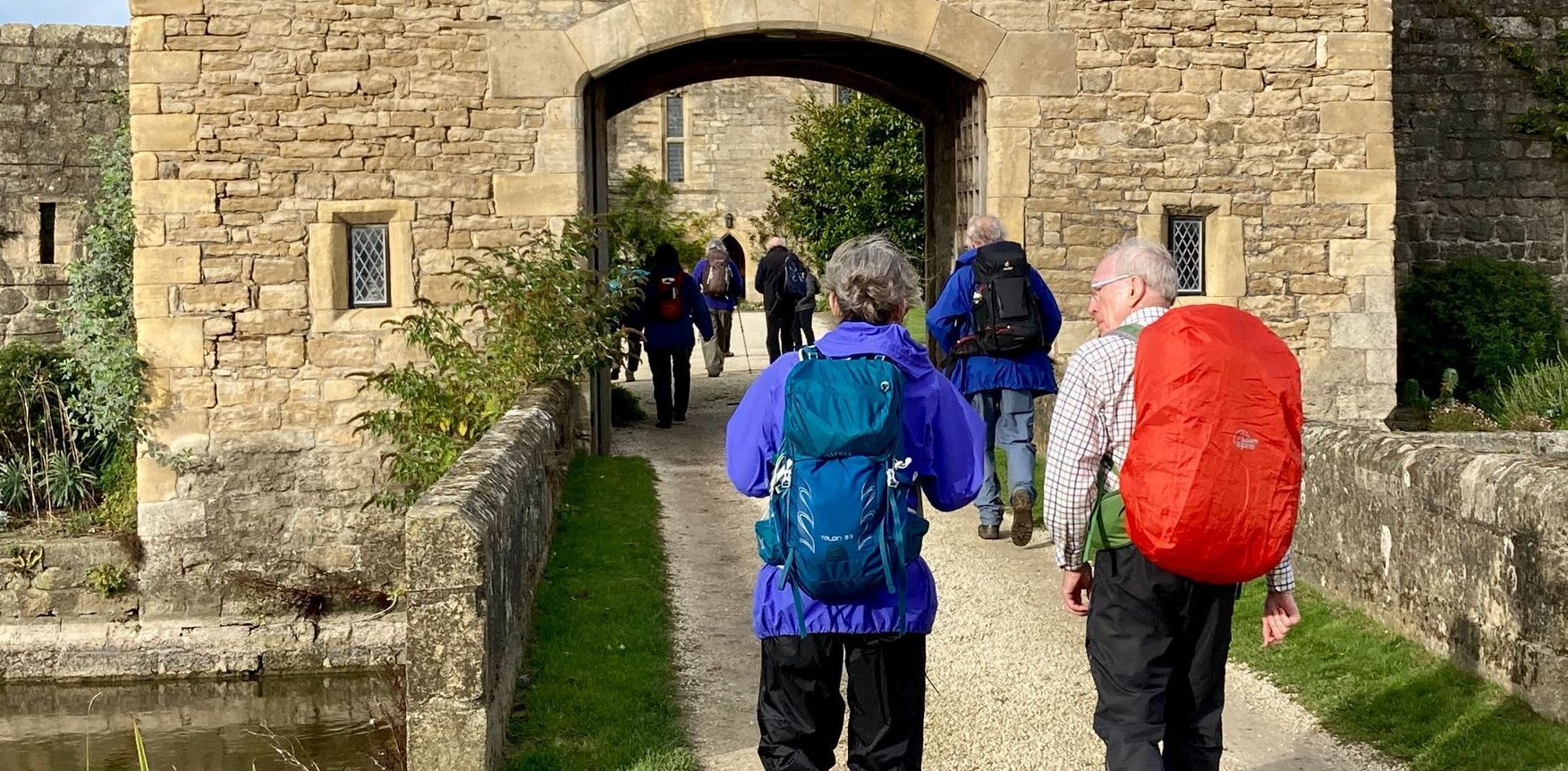
Called to Prayer on the Lycian Way

Eddie Gilmore • February 28, 2025

Having done the Camino to Santiago de Compostela a few months ago, my wife and I are now on the Lycian Way along the Mediterranean coast of Turkey and I've been reflecting, among other things, what the difference might be between an ancient pilgrimage route and a long-distance hike.


There is certainly a lot in common between the two. One thing is the pleasing simplicity to life on the road. You pack your world into your rucksack in the morning and you walk. That's it! A lot of the usual worrıes of life seem to drop away and the biggest anxiety becomes making sure you don't get lost! Or where the next cup of tea is going to come from! Or whether you'll find somewhere to sleep that night. There's just something calming and centring about walking. One of our Camino friends commented to me recently how 'the brain chatter was mostly silenced by the routine and daily exercise.'


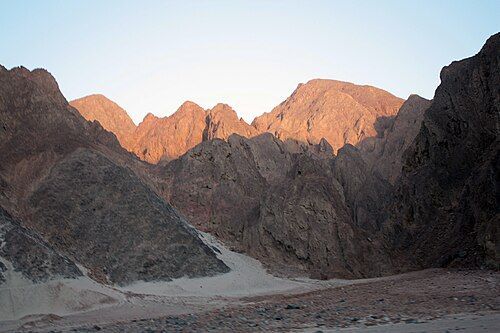
The lovely landscape is also therapeutic and in Turkey we have been treated to one amazing view after another as we pace up and down the mountains that fringe the Mediterranean. There is a heightened awareness of the natural world: the sunrises, the sunsets, the spring flowers that appear as if out of nowhere. Food is deeply appreciated and I don't think that a meal at a Michelin restaurant could have satisfied me as much as the bread, cheese, tomato and cucumber I ate one day on a beach, which we'd reached by a rocky and slightly hair-raising trek down a mountain.


The encounters along the way are equally appreciated. Some days there has been nobody else on the Lycian Way but one day we saw a grand total of four other hikers. And we really did meet each of those four, taking the time to share some of our story. A young Australian told us how he'd arrived late the day before in a village with no accommodation open and a local man had let him stay in his house. Two young English guys, it emerged, had been at the same college in university as our youngest son. And a Russıan man, Dimi, confessed that he had left his homeland three years earlier following the invasion of Ukraine.


Yim Soon and İ have also been on the receiving end of multiple acts of friendliness and kindness from the locals. Just like on the Camino, the Lycian Way passes right through the heart of the country and I love the little daily encounters that occur. The al fresco meal on the beach mentioned above was supplied by a man at the hotel who couldn't have done enough for us and who had gladly packed up some of the leftovers from our Big Turkish Breakfast. Also in common with the Camino, you are out of your comfort zone and in a kind of liminal space and therefore particularly receptive to human contact and acts of kindness.


So what is the difference between an ancient pilgrimage route and a long-distance hike? Is it the spiritual element? Well, even that has been provided for me to a certain extent on the Lycian Way, and in an unexpected manner. Wıth Turkey being a Muslim country, we have constantly been hearing the call to prayer. There are five prayer times in the day. The first is before dawn and it gets slightly earlier each day. At the start of our trip the call began at about 6.45. Now it's 6.27 and İ wait for it eagerly every morning. It really is a call, and it comes through loudspeakers so you can't miss it! It's a cry that's plaintive, melancholic, other-worldly, and hauntingly beautiful.


The next prayers are mid-day, afternoon, before sunset, and night, each of them preceded by the call to prayer. And in a big town or city there might be a few going on simultaneously from different mosques! But it never jars. And as someone who often stays at monasteries I'm very at home with the day being punctuated by times of prayer. I've also enjoyed the sheer beauty of the mosques. When we were ın Istanbul we got to see a couple of its gems, Hagia Sophia and the Blue Mosque. But even a small vıllage will have a mosque and they're normally set on high ground so that the dome and the spire are the first things seen when coming towards a town.


I notice how my own prayer changes in these days. I spend less time than usual in formal prayer and it's as if the walking and being out in nature becomes my prayer. I wonder if I'm becomıng a little more open to the Ignatian concept of finding God in all things.


Whether it's a pilgrimage or 'just' a long-distance hike, how grateful I am for this experience of walking every day in a beautiful place, for the multitude of gifts that are being given, and for being called to prayer on the Lycian Way.


Eddie Gilmore


For more about Hearts in Search of God collaborator Eddie Gilmore and his writing on pilgrimage and follow this link.
By Anne E Bailey December 5, 2025
A new video of the Jubilee Pilgrimage of Hope from Anne E Bailey
O
By Alex Knox December 3, 2025
Over the last 12 months, Alex Knox walked Britain’s newest pilgrimage with its youngest pilgrim. This is their story.
By Torin Brown December 3, 2025
Torin Brown, Pilgrim Officer at Canterbury Cathedral, asks why pilgrimage still 'packs a spiritual punch' in a secular age.
By Christian Jenkins December 2, 2025
Christian Jenkins describes a the first Our Lady of Christendom pilgrimage in the UK from Tewkesbury Abbey to Evesham!
By Phil McCarthy December 1, 2025
A podcast about pilgrimage has been launched, hosted and created by Torin Brown, the pilgrim officer at Canterbury Cathedral!
By Nick Dunne December 1, 2025
The Confraternity of Pilgrims to Rome are delighted to announce the formal recognition of the Francigena Britannica from London to Canterbury, and their annual conference on 14th March 2026!
By Phil McCarthy November 29, 2025
The key to any safe and successful walking pilgrimage is thorough preparation. This resource is a useful prompt.
By Phil McCarthy November 29, 2025
A pilgrimage is a journey undertaken by individuals or groups for religious or spiritual reasons, often to a sacred place or shrine of particular significance. It is an expression of faith and devotion that involves physical travel as well as inner exploration and transformation. Pilgrimages have been integral to many religious traditions throughout history, including Christianity, Islam, and Hinduism. In the Catholic faith, a group pilgrimage is seen as a special journey of prayer and devotion. It is an opportunity for believers to deepen their relationship with God, seek spiritual renewal, and encounter the divine in tangible ways. Pilgrimages are not only about visiting holy sites but are also about the inward journey, seeking grace, forgiveness, healing, or enlightenment. Planning the inner journey Rejoice always, pray without ceasing, give thanks in all circumstances; for this is the will of God in Christ Jesus for you. 1 Thessalonians 5:16-17 Planning a personal pilgrimage is a sacred process. It can be a transformative and enriching spiritual experience. Walking alone provides the opportunity for solitude, encounter with strangers and closeness to nature. Individual walking pilgrimage can give insights into the communities passed through. . The destination When choosing a destination for your pilgrimage, consider the following factors: Popular pilgrimage sites: Explore well-known pilgrimage sites, such as shrines dedicated to saints, historic churches, or locations associated with miracles or apparitions. Accessibility: Ensure the pilgrimage site is accessible to you given your age and physical abilities. Accommodation: If you need overnight accommodation, try to find options which align with the aims of the pilgrimage and are affordable. These may include retreat centres, religious houses or hospitable parishes. The British Pilgrimage Trust’s Sanctuary Network provides affordable options such as churches, church halls, village halls or sports pavilions. Cultural relevance: The Catholic community in England & Wales is incredibly diverse in terms of ethnicity and culture. Consider the cultural context of the pilgrimage destination and its significance. Setting dates and itinerary Creating a well-planned itinerary is essential. Dates: Select dates that coincide with religious feast days, significant anniversaries, or local events that enhance the spiritual significance of the pilgrimage. Don’t forget the weather! Itinerary: Develop an itinerary that incorporates a variety of activities catering to spiritual, educational, and recreational needs. Include daily Mass if possible, opportunities for prayer and reflection, guided tours of sacred sites, and times of silence and openess to encounter with others. Prayer and reflection: Plan specific prayer stops, devotions, and meditations that align with the pilgrimage theme or focus. Include encounters with local religious communities. Before the way I rejoiced when they said to me, “Let us go to the house of the LORD.” Psalm 122:1 Preparing yourself spiritually is essential for a good pilgrimage experience. Prayer and reflection resources can be found here . Personal spiritual preparation: Prior to the pilgrimage research the route and plan to make the experience as deeply as possible. Try to find daily Scripture readings, novenas, or devotional exercises related to the pilgrimage theme. Indentify a personal intention for the journey : This might be to pray for healing, to give thanks for some event, to commemorate a loved one or to raise money for a cause close to your heart. Talk to others about your plans: Try to find books about the way you have chosen or speak to others who have walked it. Find resources that address the themes of the pilgrimage, such as faith renewal, healing, or devotion to specific saints. Share your spiritual intentions: This may include your talking about your c oncerns and hopes for the pilgrimage with family, friends, and your home community. On the road Teach me your way, O Lord, that I may walk in your truth; unite my heart to fear your name. Psalm 86:11 Incorporating liturgies, personal prayer and rituals enhances the spiritual depth of the pilgrimage. Resources can be found here . Masses and Sacraments: Where possible, try to find Masses at significant pilgrimage sites, allowing yourself to participate in the liturgy and be nourished by the Eucharist. Receiving the Sacrament of Reconciliation (confession) can foster spiritual healing and renewal. Devotions: Plan to include devotions that symbolise the journey of faith such as praying the Rosary, Stations of the Cross, or other traditional Catholic prayers relevant to the pilgrimage theme. Rituals: Integrate symbolic rituals like lighting candles at sacred shrines, making offerings of prayer intentions, or reciting specific prayers associated with the pilgrimage's spiritual objectives. Silence: It is good to include a period of intentionally silent walking, giving yourself the opportunity to reflect on your own intentions for the pilgrimage. Research guidance on contemplative practices that encourage inner reflection. Fellowship: You may encounter others on the way. Try to be open to these as opportunities for sharing your pilgrimage with others. It may be possible to join communal meals, shared experiences, and social gatherings entoute. At the destination And people will come from east and west, and from north and south, and recline at table in the kingdom of God. And behold, some are last who will be first, and some are first who will be last.” Luke 13:29-30 It is important to plan how you will mark your arrival at the shrine or other destination, or there may be a sense of anti-climax. Resources can be found here . Consider: Welcome : by the Shrine Director, clergy, staff or parishioners. Shared prayer : it is important to mark the end of the pilgrimage with a prayer which is relevant to the site and theme. Tour of the destination and an explanation of its religious and cultural significance. Devotions: for example, lighting three candles, one for the pilgrim’s personal intentions and for any that others have asked him or her to pray for, one in gratitude for the people who helped along on the Way, and one in hope for those who will follow. Masses and Sacraments: Where possible, arrange a final Mass and the opportunity to receive the Sacrament of Reconciliation (confession). If this is not possible then the Evening Prayer of the Church for the day may be a good way to end the pilgrimage. Fellowship over tea and coffee is always welcome and a group photo with others at the destination! After the way Come to me, all who labour and are heavy laden, and I will give you rest. Take my yoke upon you, and learn from me, for I am gentle and lowly in heart, and you will find rest for your souls. For my yoke is easy, and my burden is light.” Matthew 11:28-30 Continuing the pilgrimage experience beyond the journey itself is important for sustaining spiritual growth. Resources can be found here . Personal reflection : Try to reflect on the experience and to continue the journey. Reflect and Learn: Consider offering to speak to your community to share the experience and its impact on your faith journey. Plan Future Pilgrimages: Use insights from the pilgrimage experience to plan future pilgrimages that address the your evolving spiritual needs. Collaborate with other pilgrims, and clergy to identify new destinations, themes, and spiritual objectives for upcoming journeys. Phil McCarthy NB I am grateful to Molly Conrad and Elliot Vanstone for their contributions to the development of this resource.
By Phil McCarthy November 29, 2025
Congratulations on completing your pilgrimage. Now you can download the certificate of completion!
By Phil McCarthy November 29, 2025
Whether you will be walking alone or in a group a Pilgrim Passport is useful.