Walking the Cornish Saints Way
Sometimes the best ideas are spontaneous. So when, on the mid-morning of Wednesday 11th November, I saw that the weather forecast for the next two days was good, I decided to set off to Cornwall to walk the Saints Way. By 1.30pm I was on the train to Bodmin Parkway.
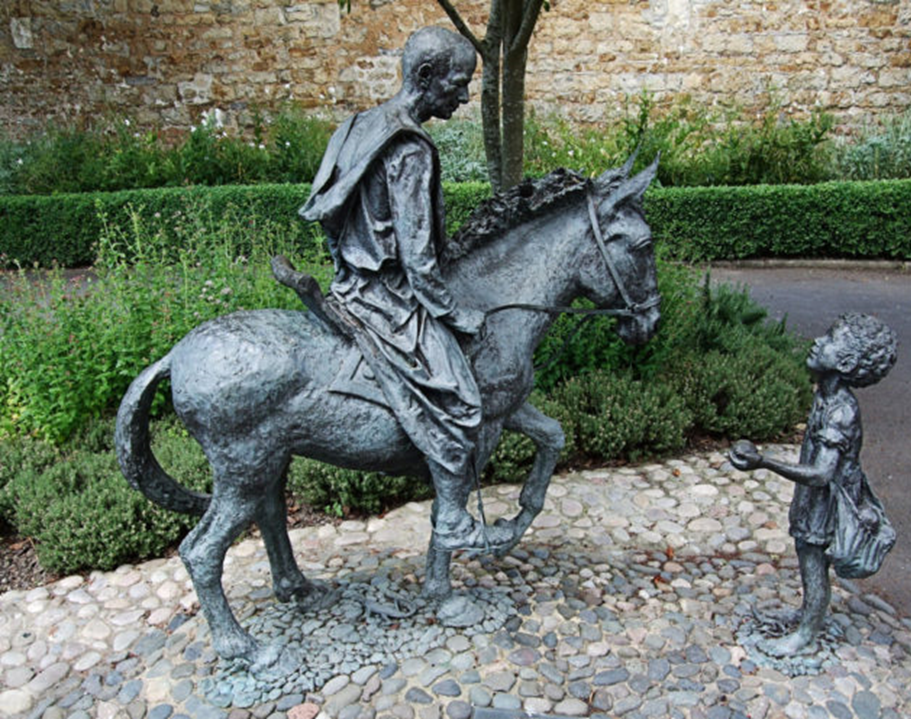
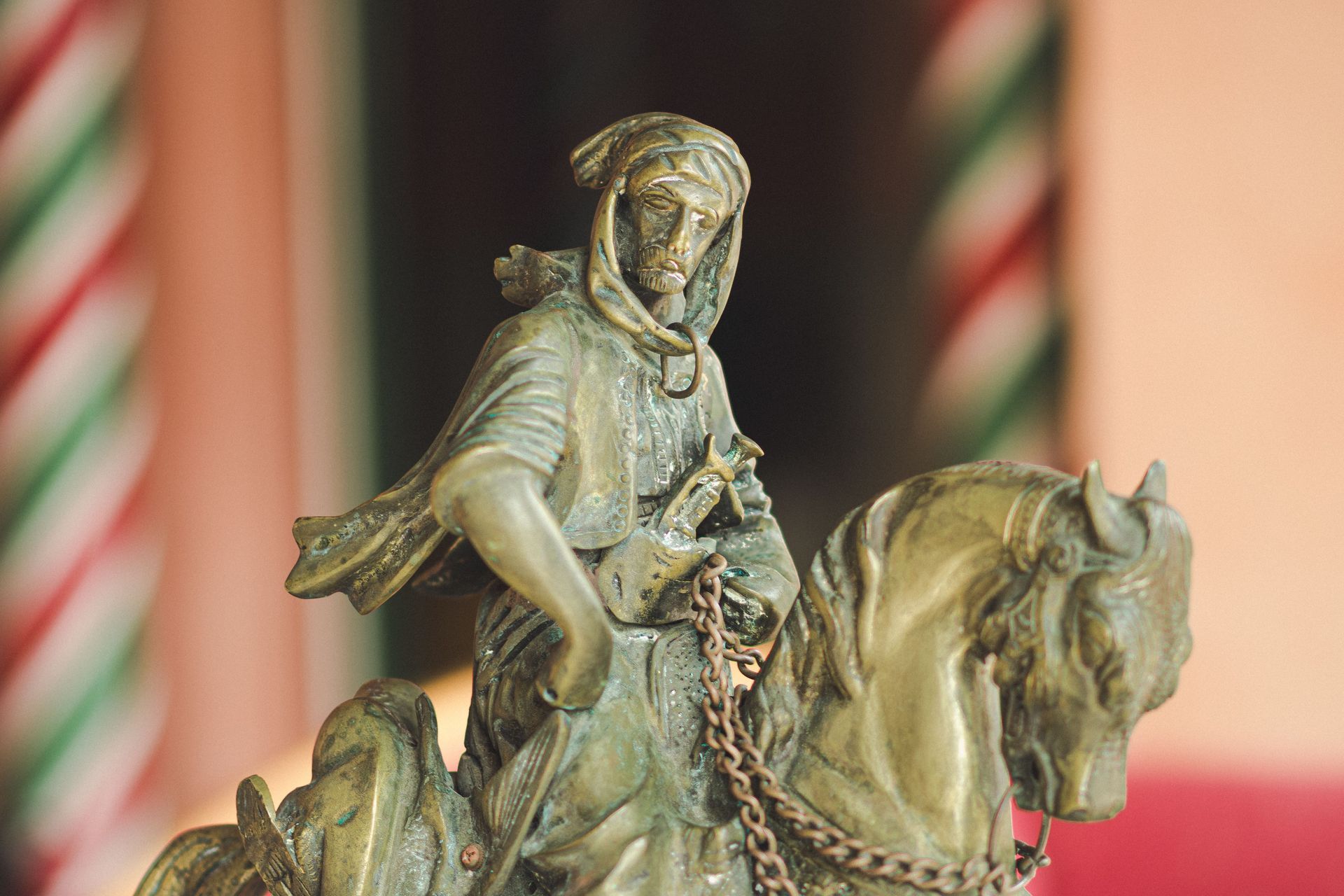
My inspiration came from BBC Radio 4’s Ramblings programme with the engaging Clare Balding. The 5th November episode recounts Clare’s exploration of a stretch of the Columban Way with three local experts in County Down, Northern Ireland. Together they walked from Newcastle to Dundrum. The Columban Way is a long-distance footpath which connects places travelled by St Columban and twelve of his companions during the 6th & 7th centuries. Clare and friends walked a few miles, but the route goes on across Ireland, England, France, Germany, Switzerland, Austria, and Italy.
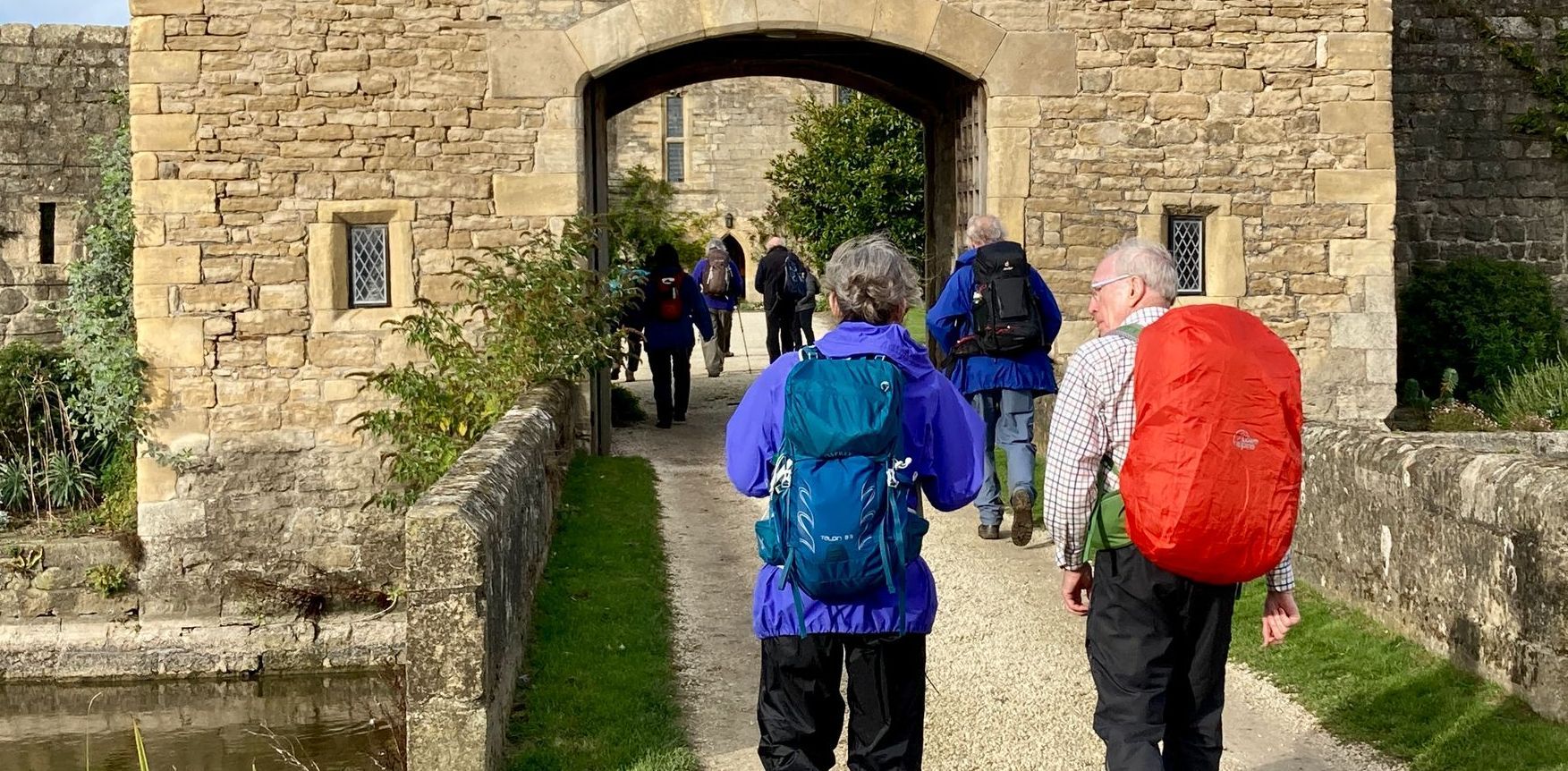
The English path, from Padstow to Fowey in Cornwall, is known as the Saints Way because it follows in the steps of Irish saints such as Columban as they traversed Cornwall before setting off for the continent. Cutting across Cornwall meant that early Celtic traders and pilgrims could avoid the hazards around Land’s End. In 1984 the discovery of a series of granite stiles sparked the creation of a route that includes medieval churches, standing stones and ancient tracks. It is 28 miles long and involves climbing over 3,000 feet.
St Columban (Columbanus in Latin, and not to be confused with St Columba, the Irish missionary to Scotland) was an Irish monk and missionary who founded monasteries in the Frankish and Lombard kingdoms, as far from home as Bobbio Abbey in modern Italy. He was a defender of Irish traditions but respected the Bishop of Rome as the supreme authority within the Church. His life inspired the Columban Missionaries, an international Catholic organisation focused on cross-cultural and interfaith dialogue, justice, peace, and the care of creation.
I alighted at Bodmin Parkway station and waited for the bus to Padstow. It was dark by the time I arrived, and the town was eerily quiet, but I found my lodging, a good plate of fish and chips, and a pint of Cornish ale!
Thursday 12th November 2026
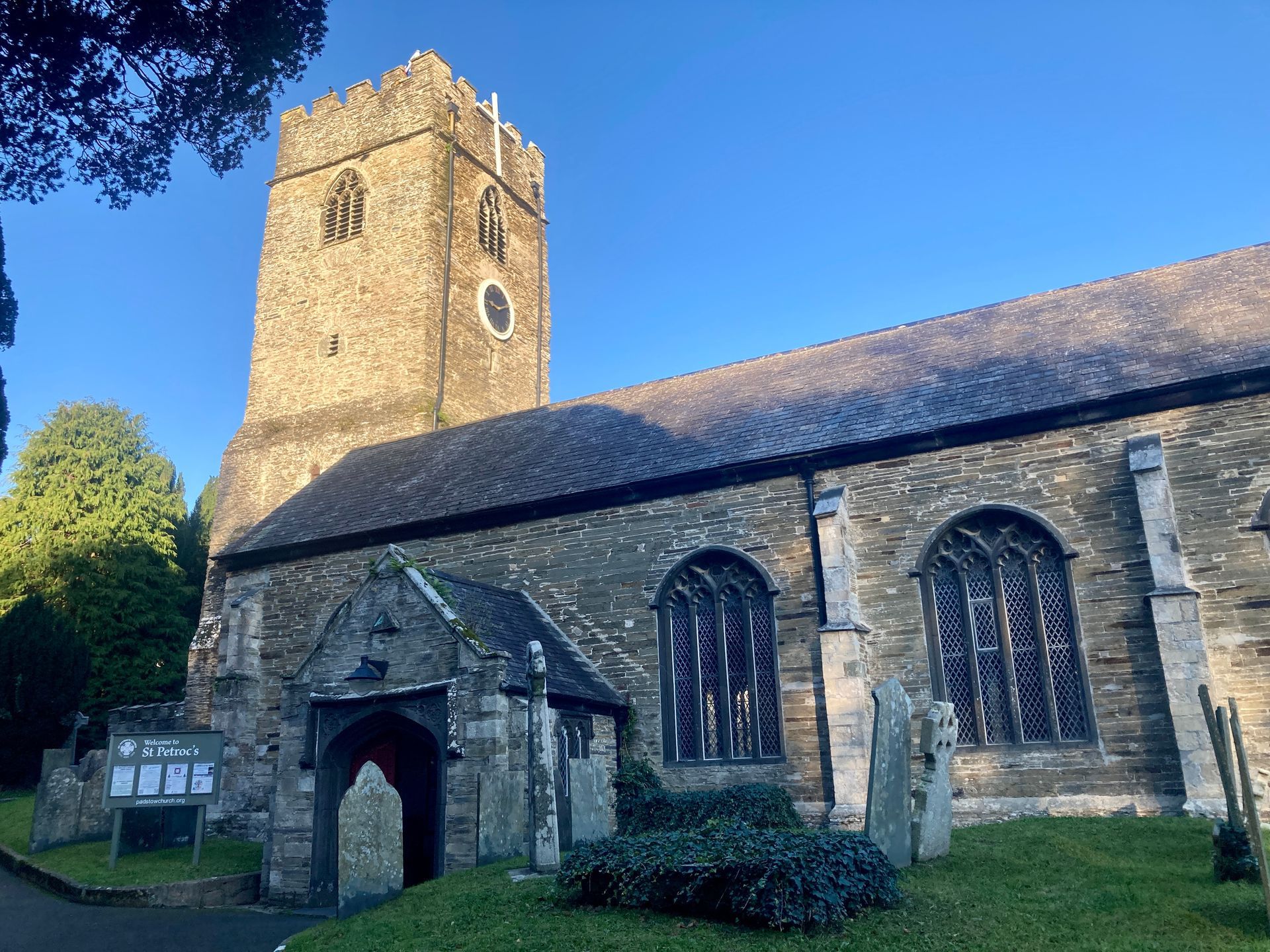
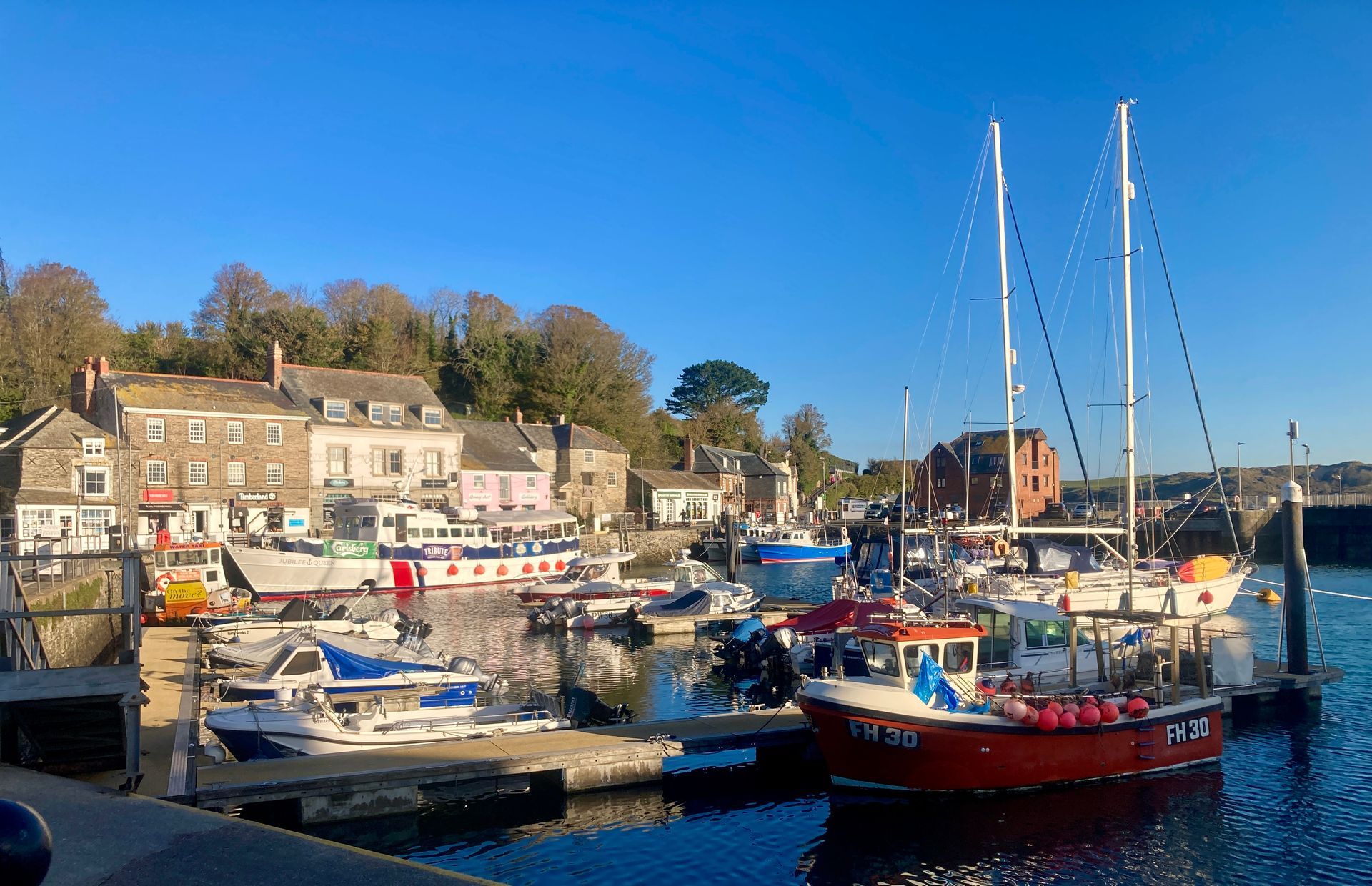
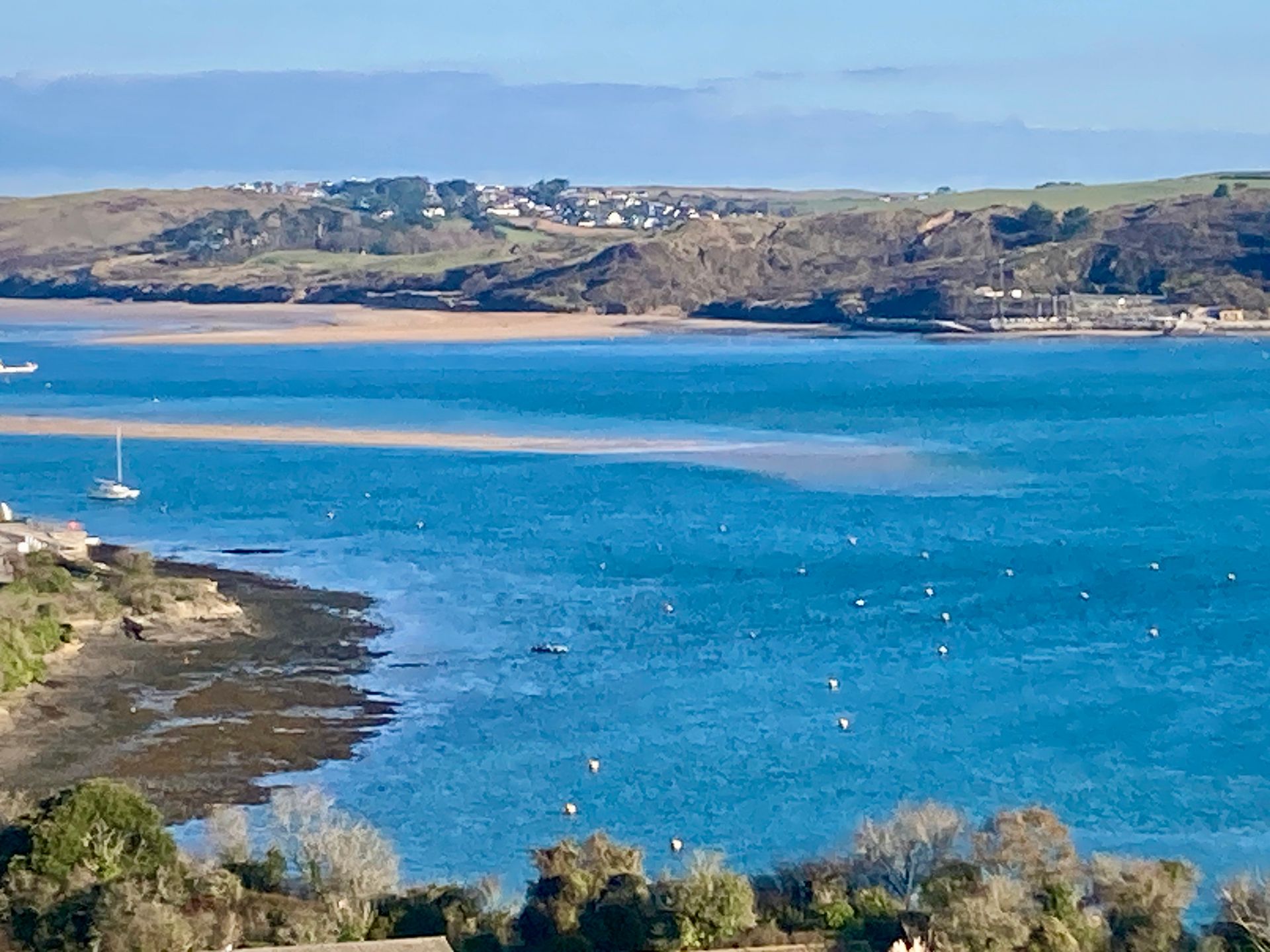
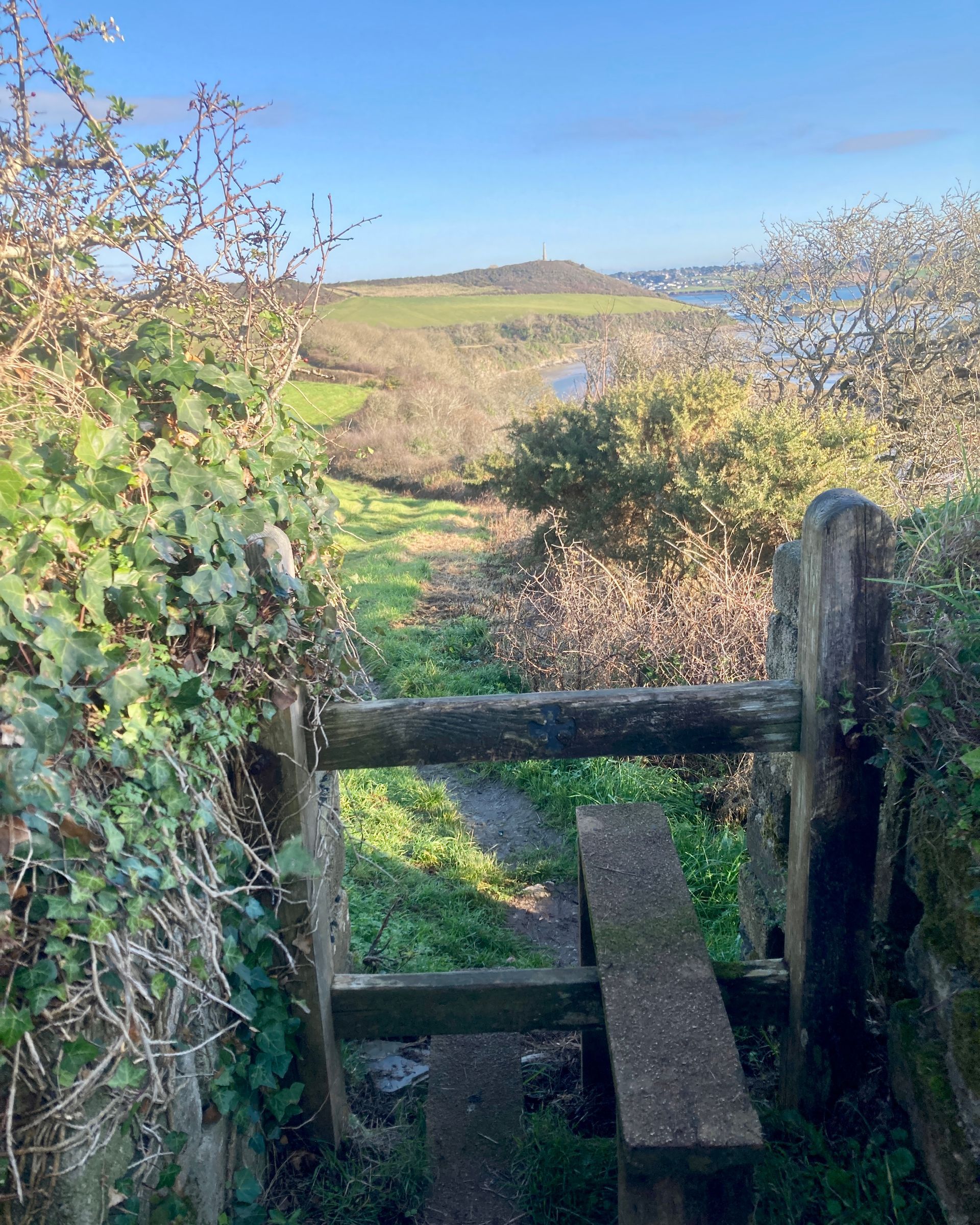
I started my walk at the Church of St Petroc, Padstow, which is shared by the Anglican and Catholic parishes, a wonderful example of ecumenical co-operation. After visiting the harbour, the path took me up Dennis Hill, where I gazed north, trying to make out the Church of St Enodoc, resting place of poet Sir John Betjeman. Beyond, I knew, was Trebetherick, nostalgically remembered in his poem of that name about childhood:
Blesséd be St Enodoc, blesséd be the wave,
Blesséd be the springy turf, we pray, pray to thee,
Ask for our children all happy days you gave
To Ralph, Vasey, Alistair, Biddy, John and me.
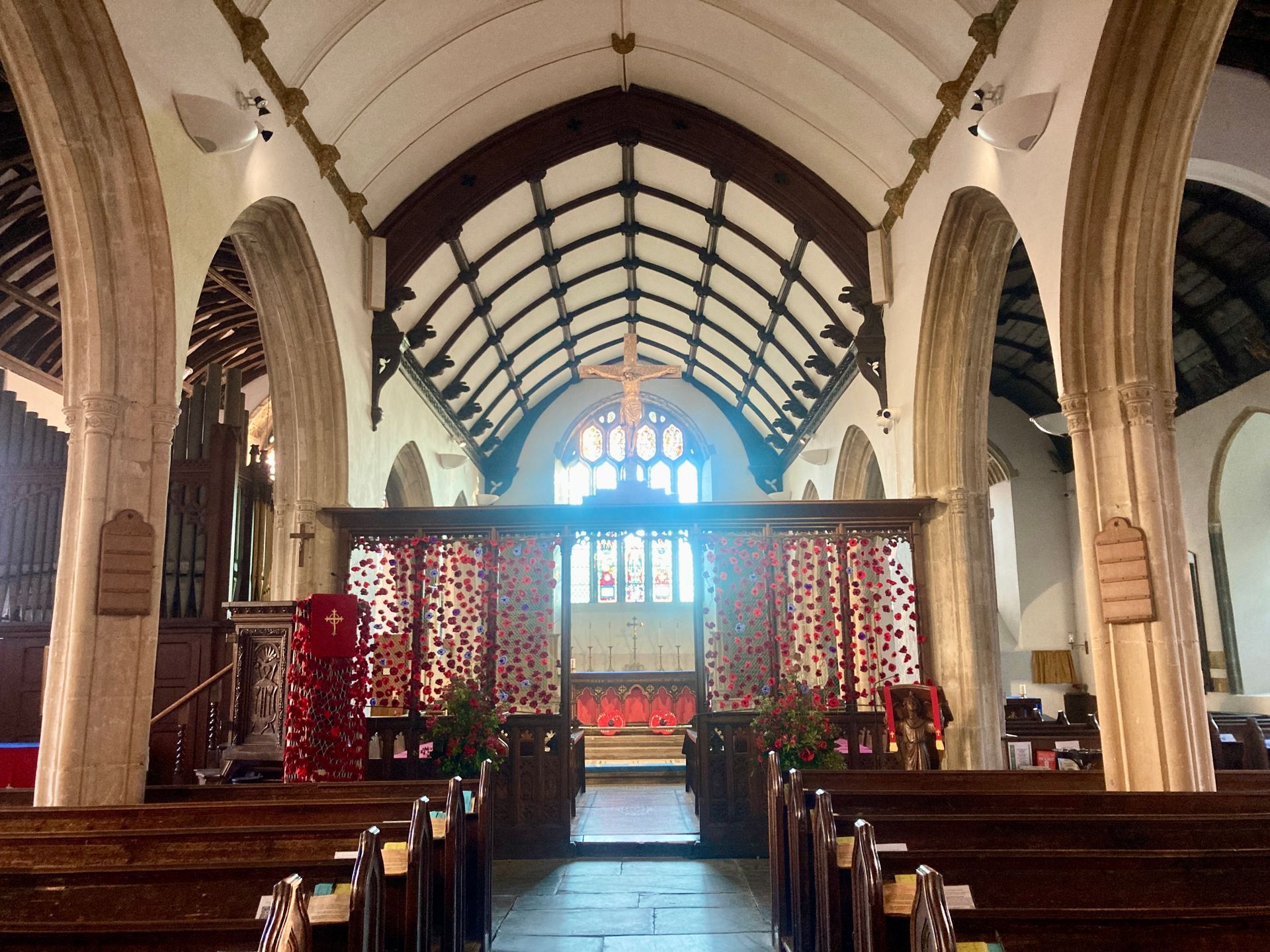
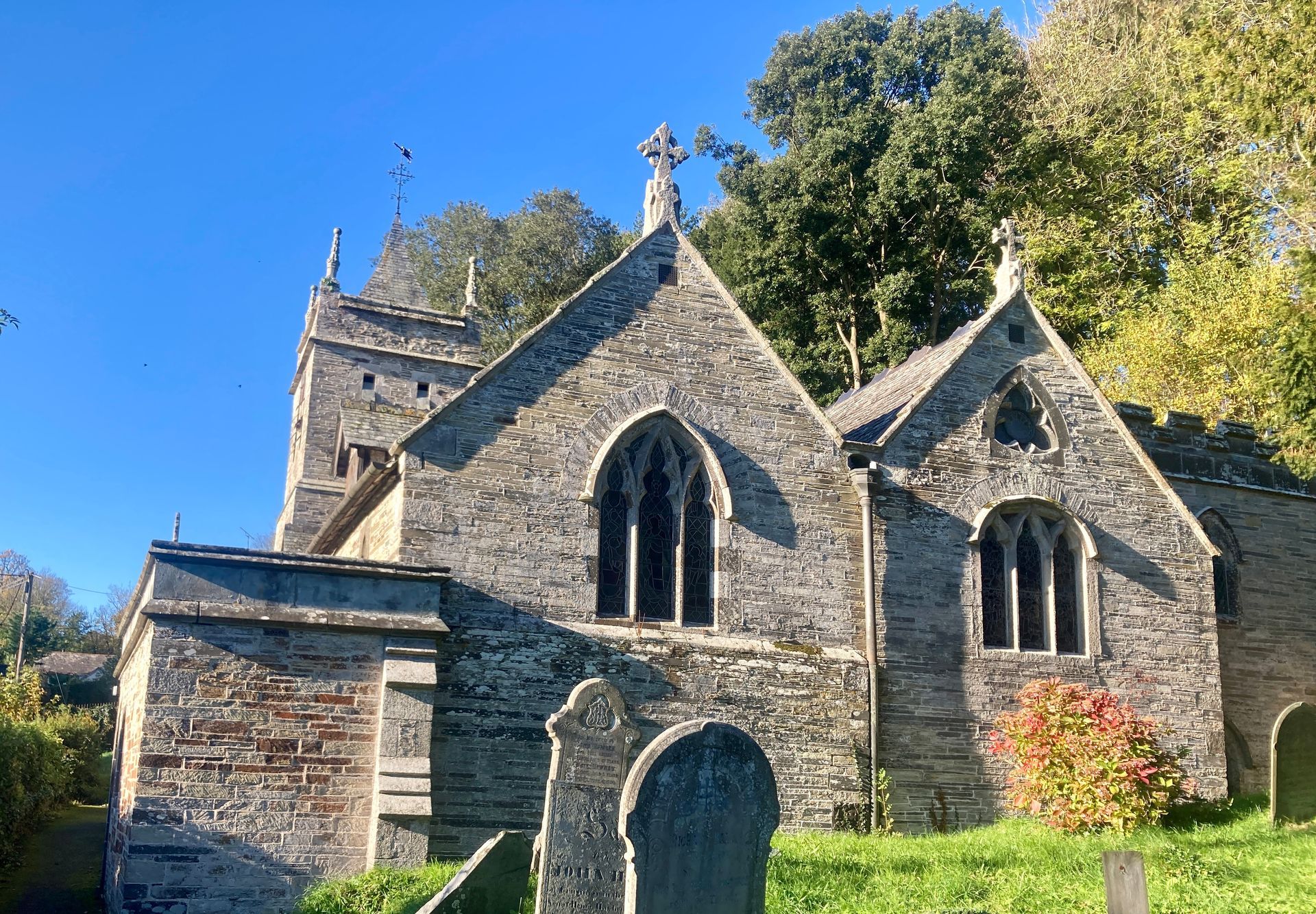
I strolled on beside Little Petherick Creek to visit the Church of St Petroc Minor, a church with 14th century origins and linked by tradition to St Petroc's preaching cell from the 6th century. Inspired by the Oxford Movement the interior was beautifully restored in an ornate High Anglican style with decorated rood screens and gilded altars. There was even a holy water stoop in the porch. I feel Sir John would have approved.
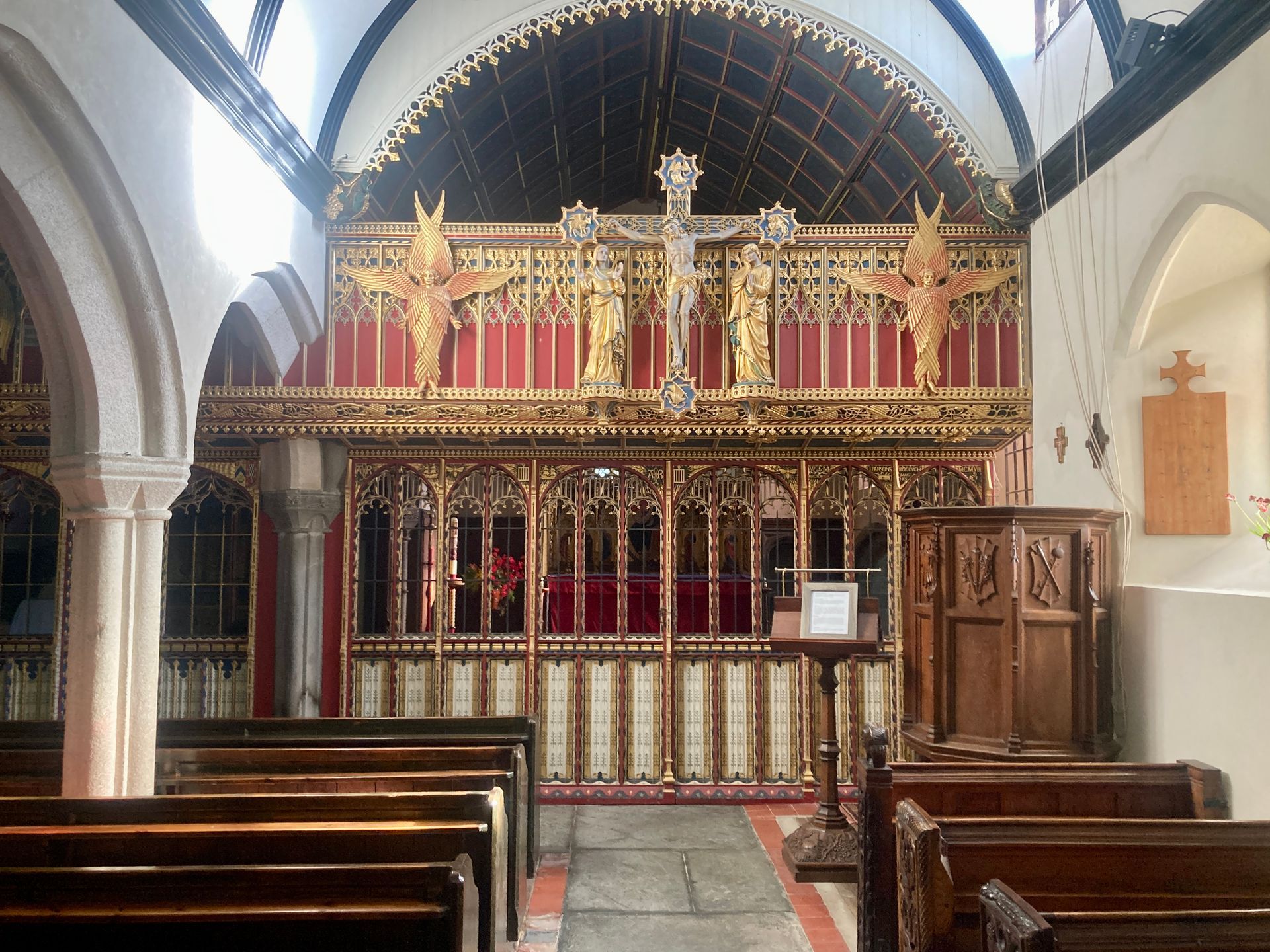
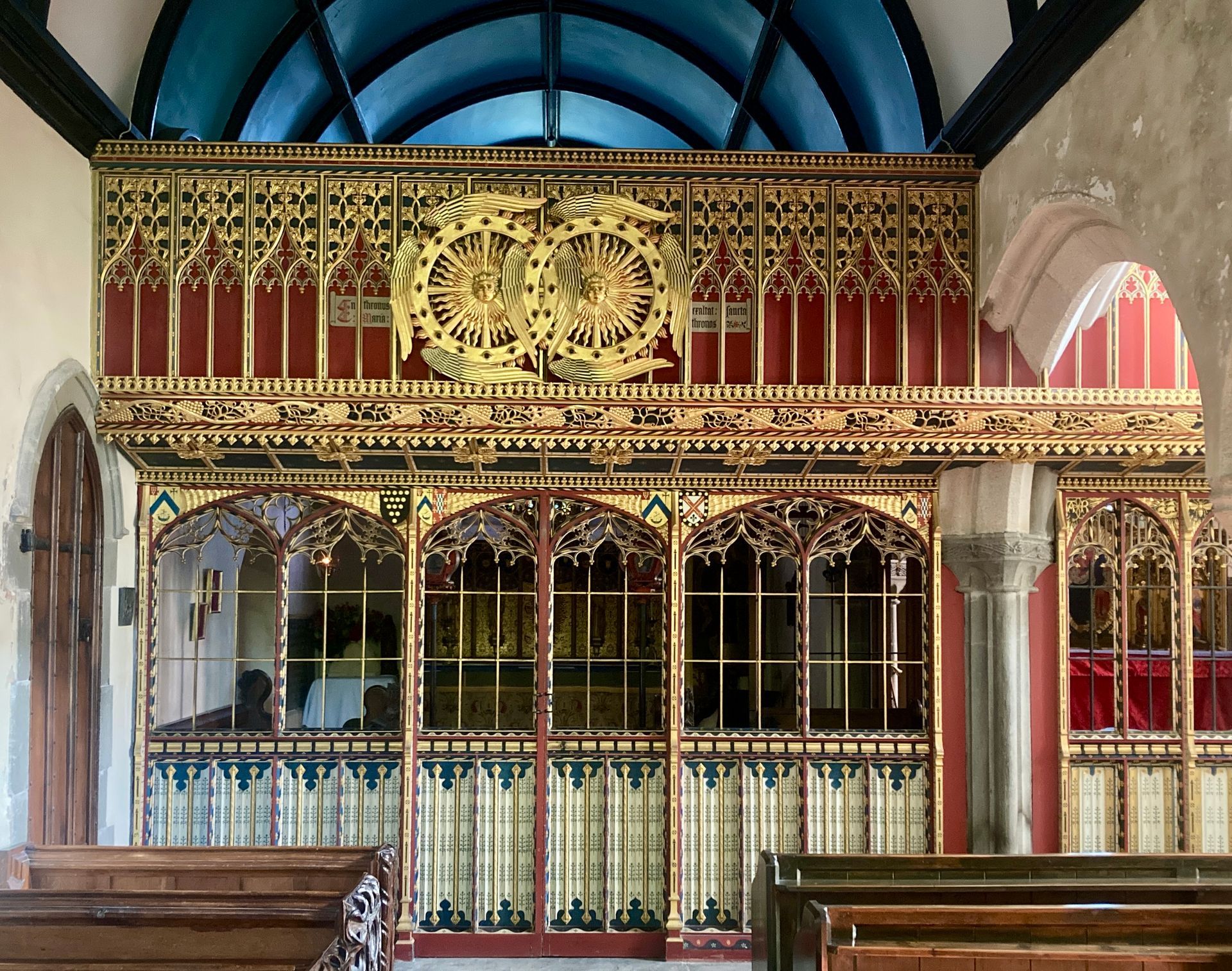
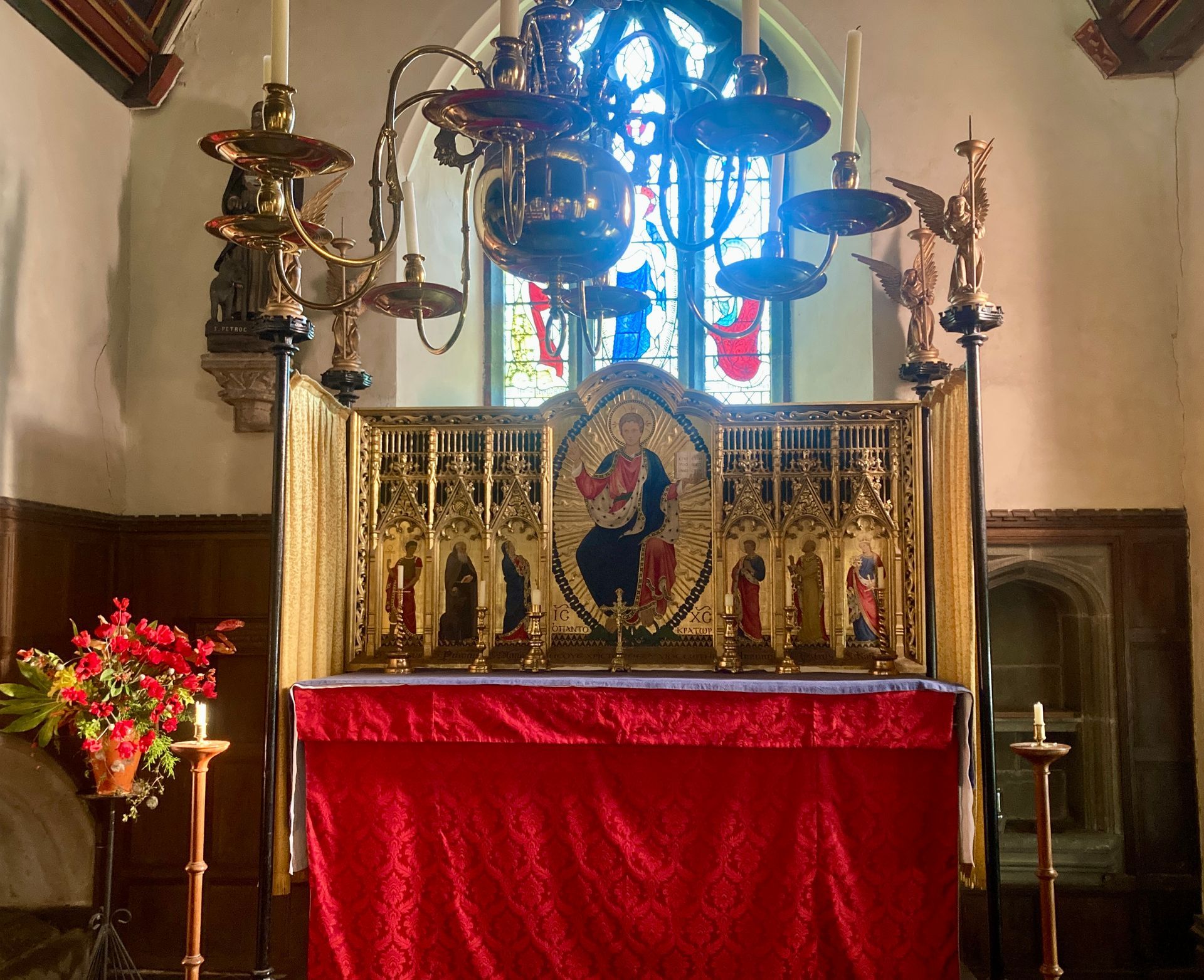
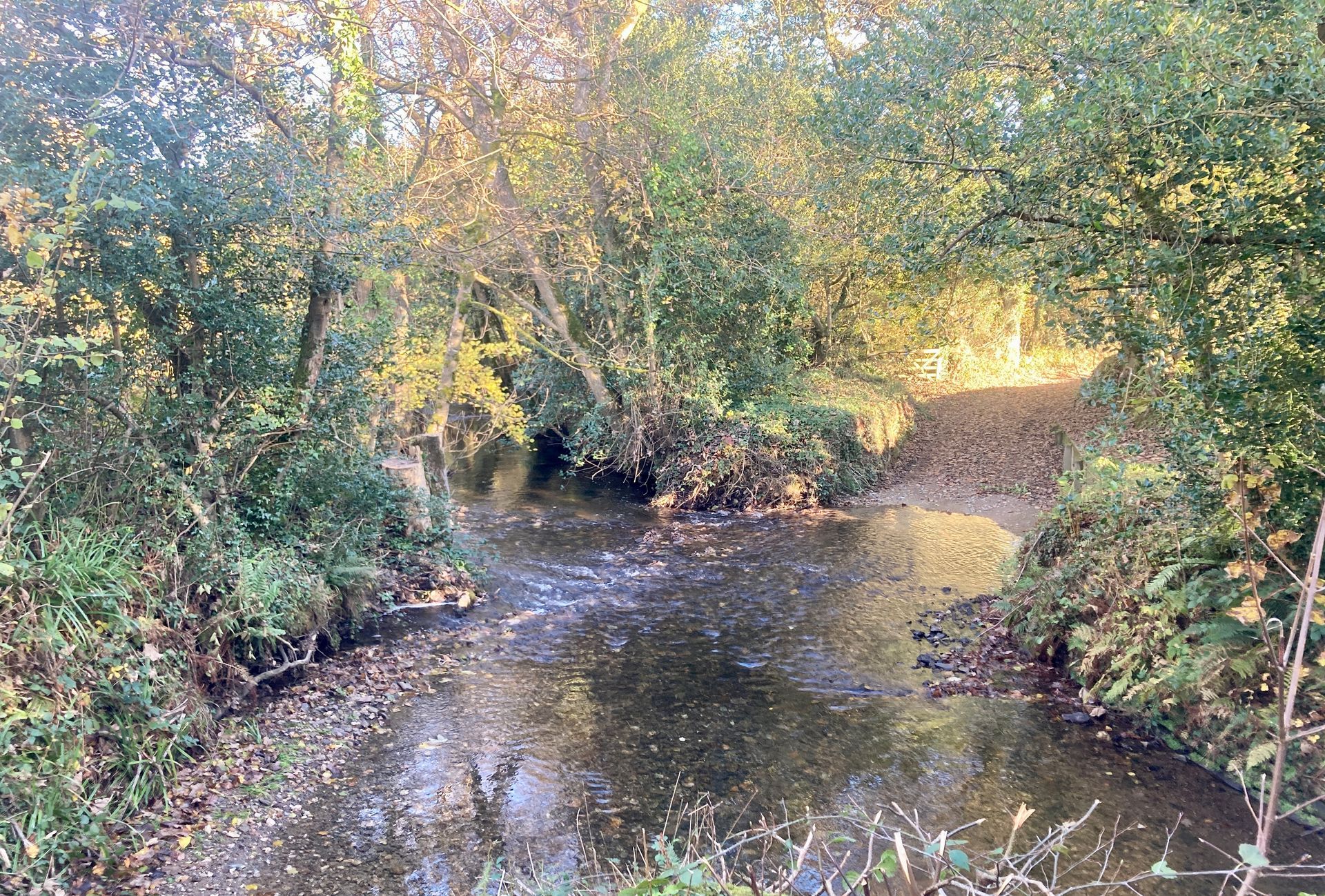
It was a glorious autumn day, and the route took me along quiet lanes before passing the standing stone on St Breock Down. There was more gentle walking before arriving in the village of Lanivet. I spent a rather chilly November night in a shepherd’s hut, but I warmed up at the local inn.
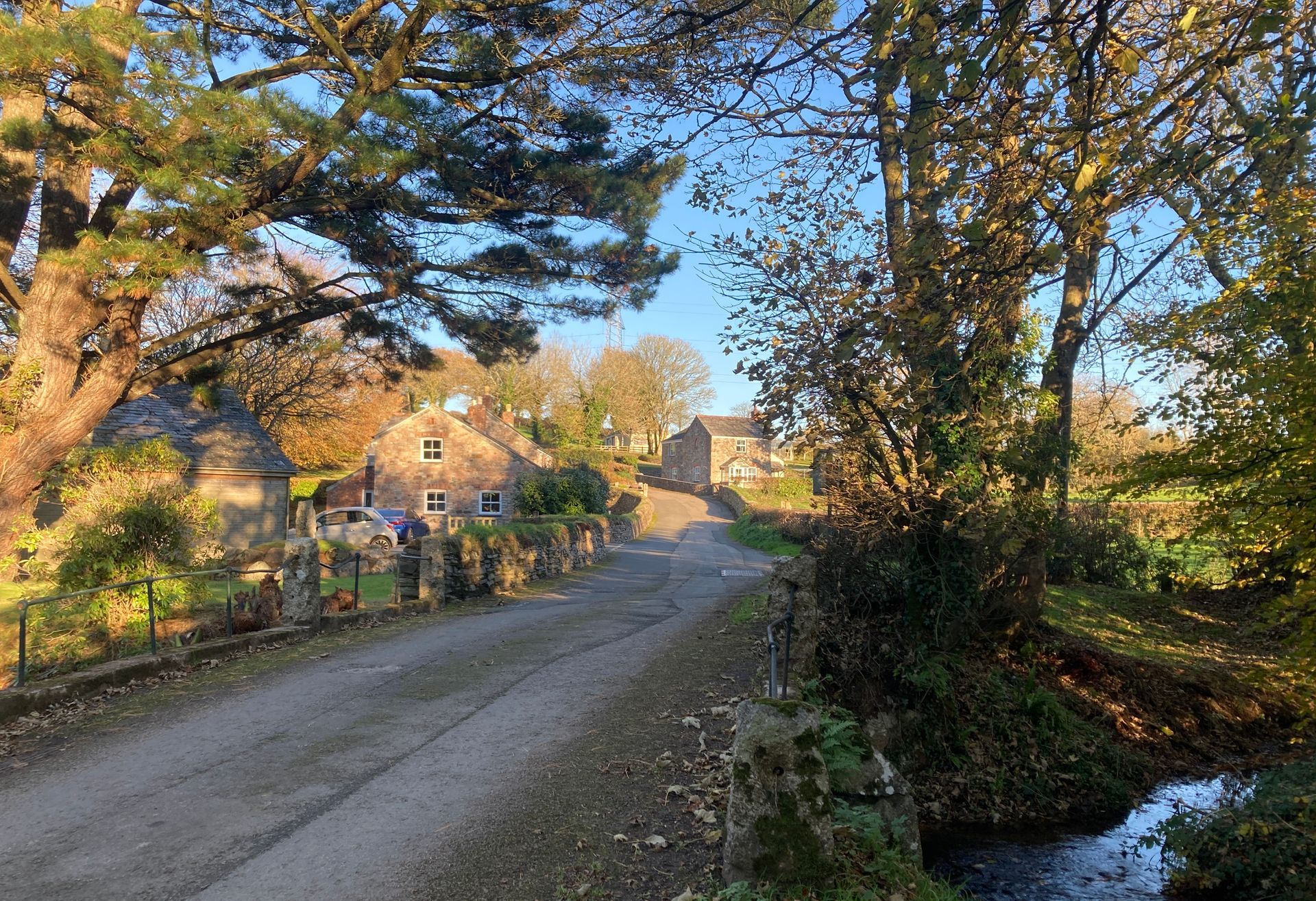
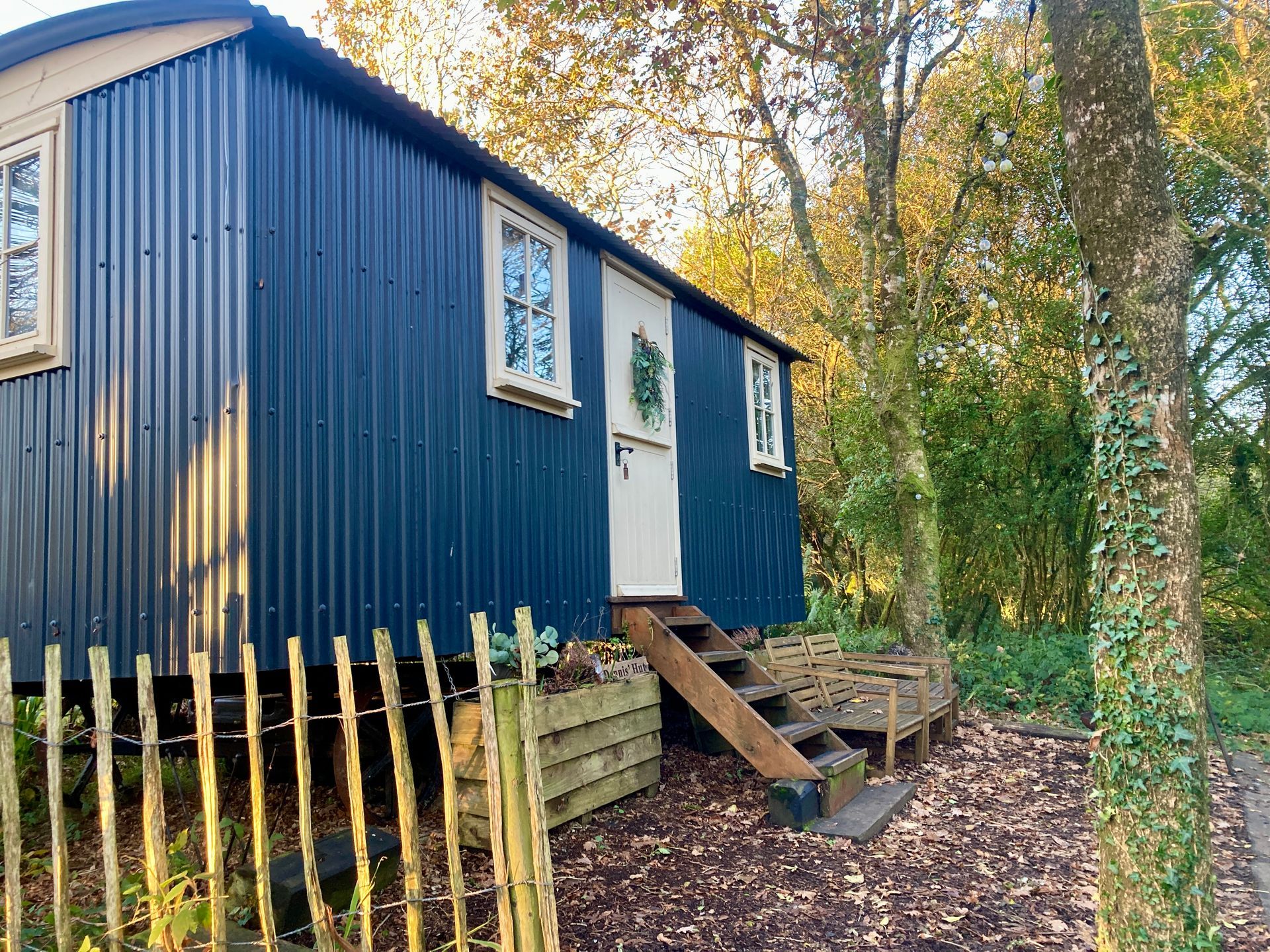
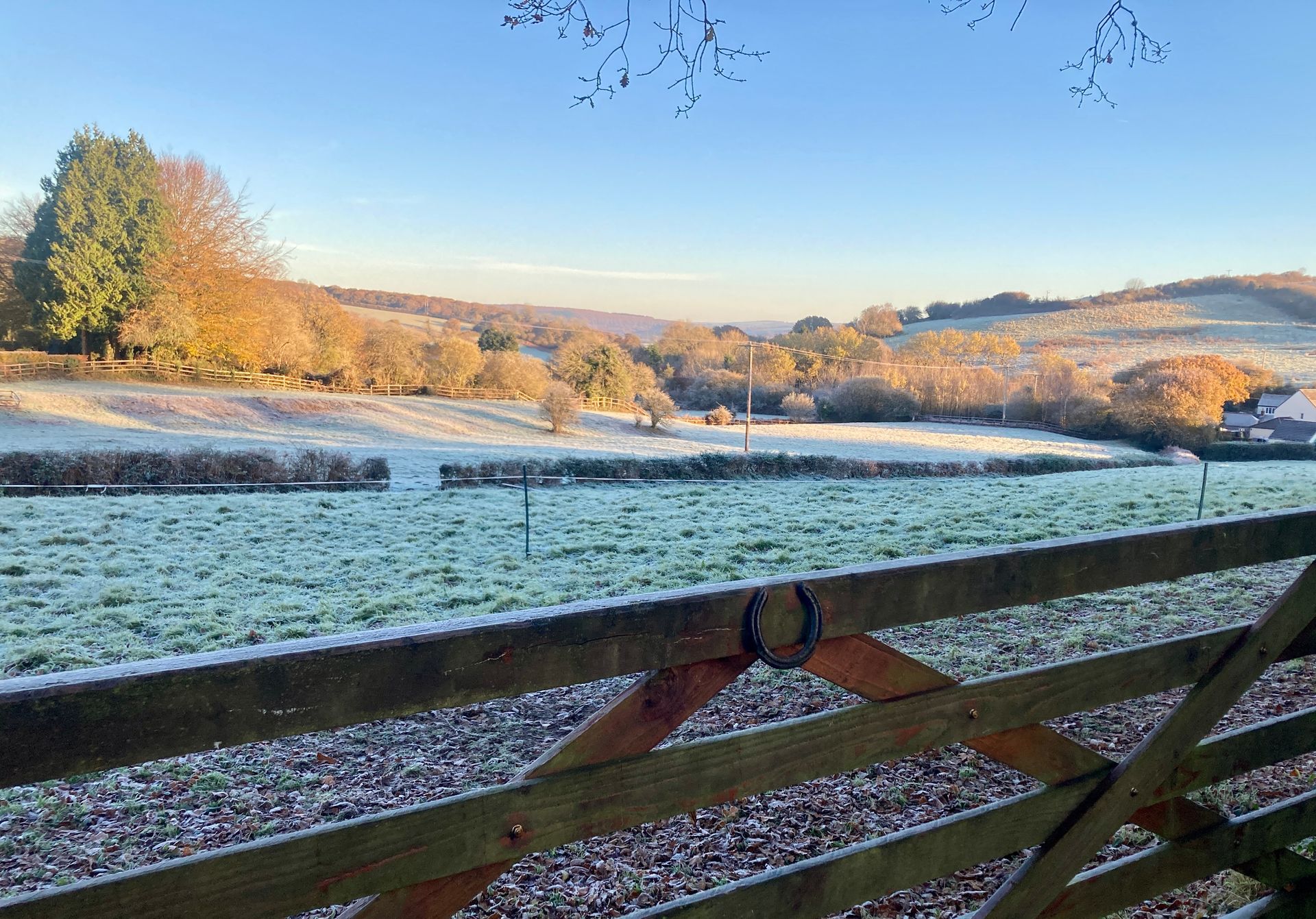
Friday 13th November 2026
I set off early on another cold but sunny morning, soon passing under the A30. I passed the craggy Helman Torr and then followed a delightful sunken track to Lanlivery with its church, school and pub. A brief section beside the busy A390 followed. Soon after forking onto a lane I turned off to follow a track through a farmyard. Here I was attacked by two aggressive dogs and was only rescued by the farmer after a nervous ten minutes. I recovered as I followed another sunken track, deep in fallen leaves. (NB It may be worth avoiding the dogs by continuing along the lane to Cemetery, then turning right to rejoin the official route before Castle.) The path crosses farmland to Golant and then there are views of the River Fowey, before a final climb through Colivithick Wood.
It was a joy to meet with an old friend from university days and to share a couple of pints and many memories. All too soon it was time to catch the bus to Parr station, and then the train home.
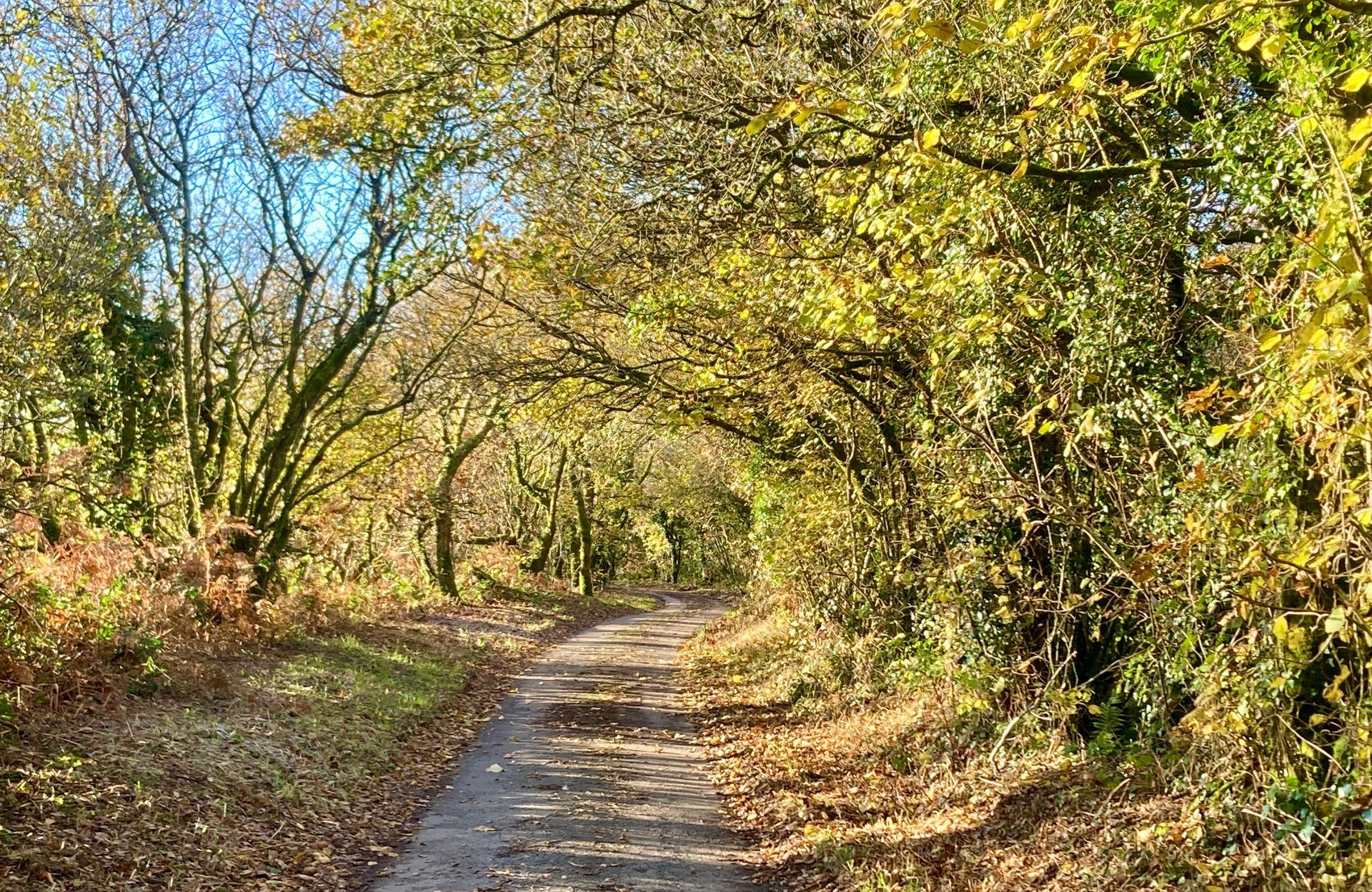
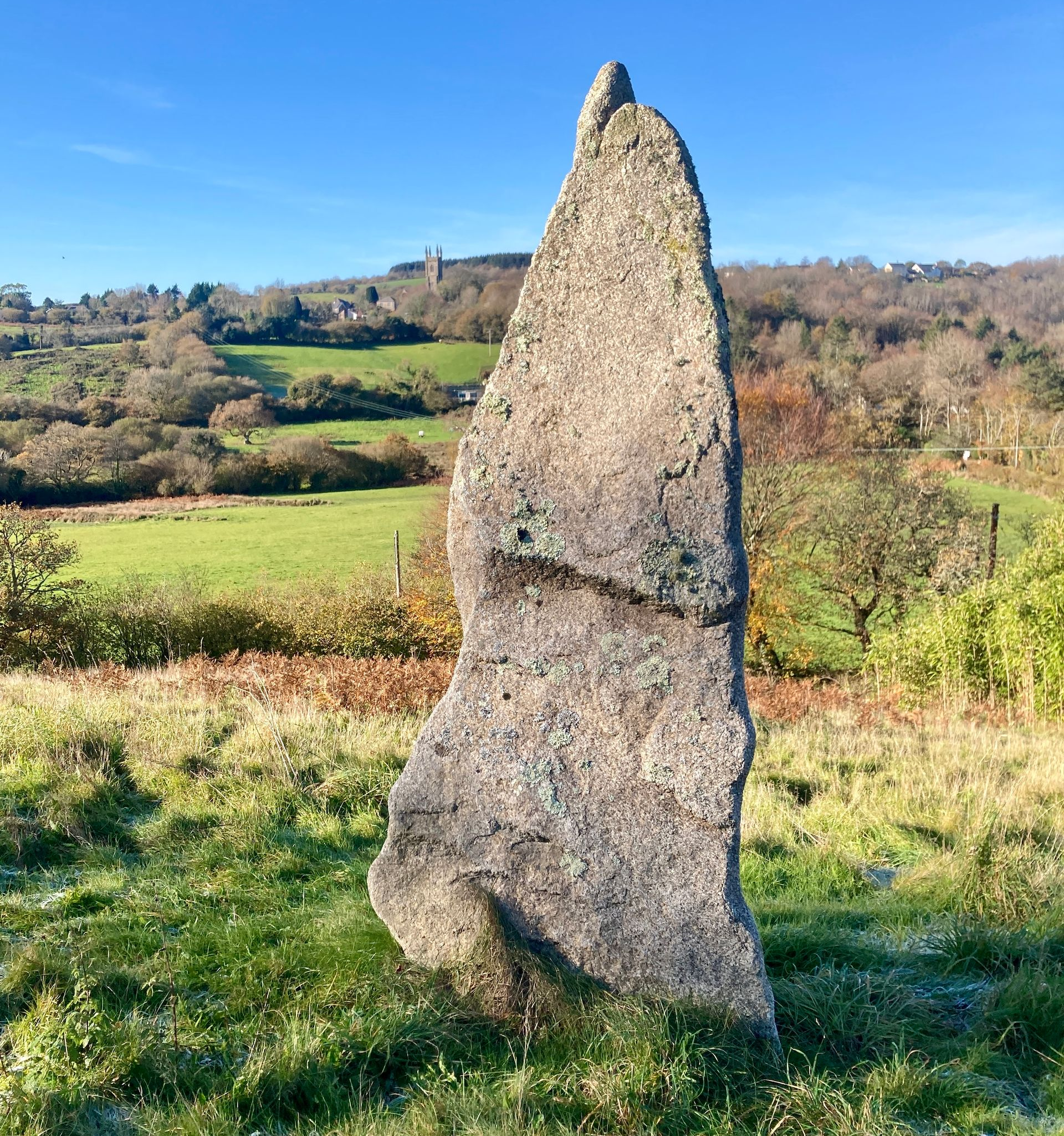
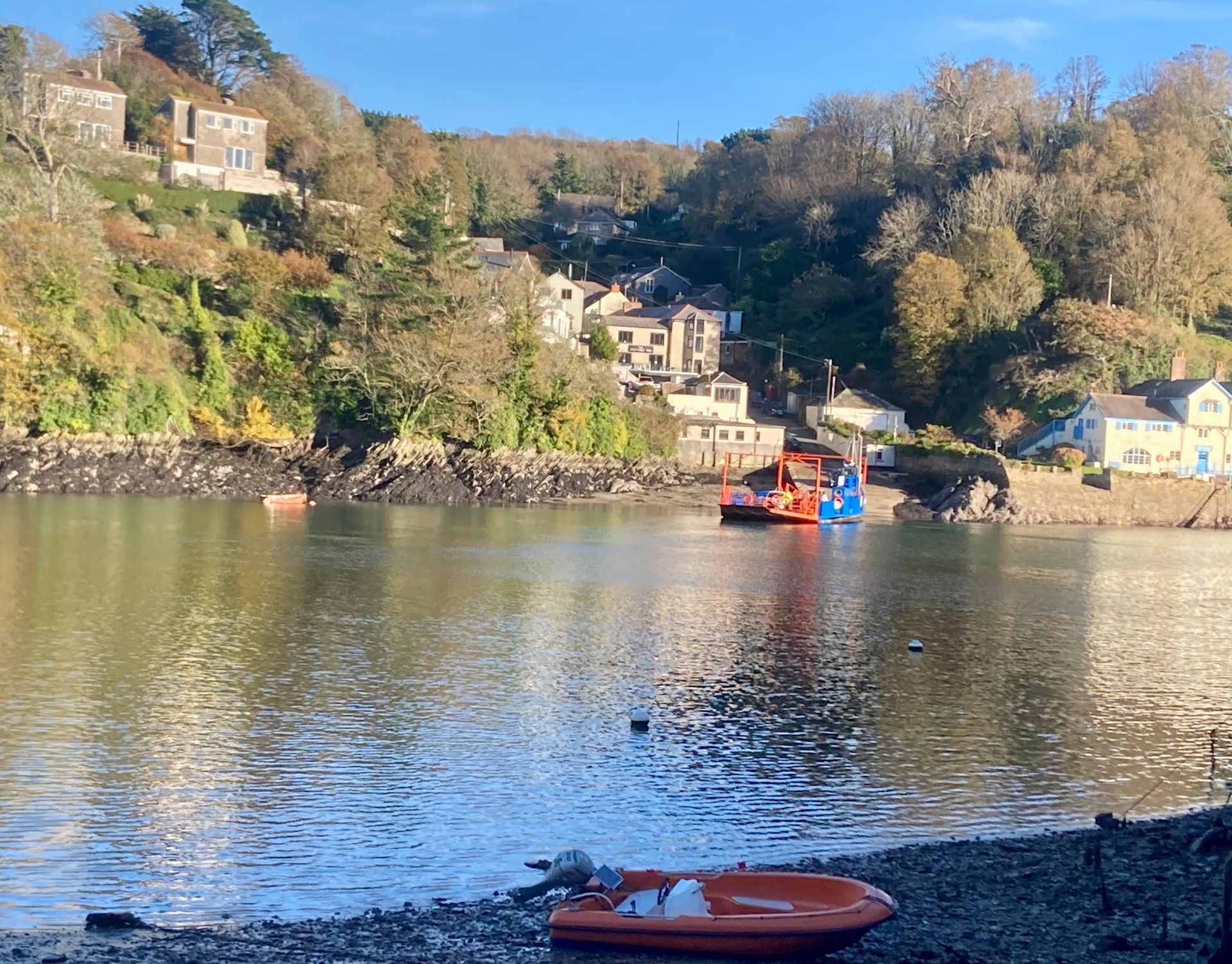
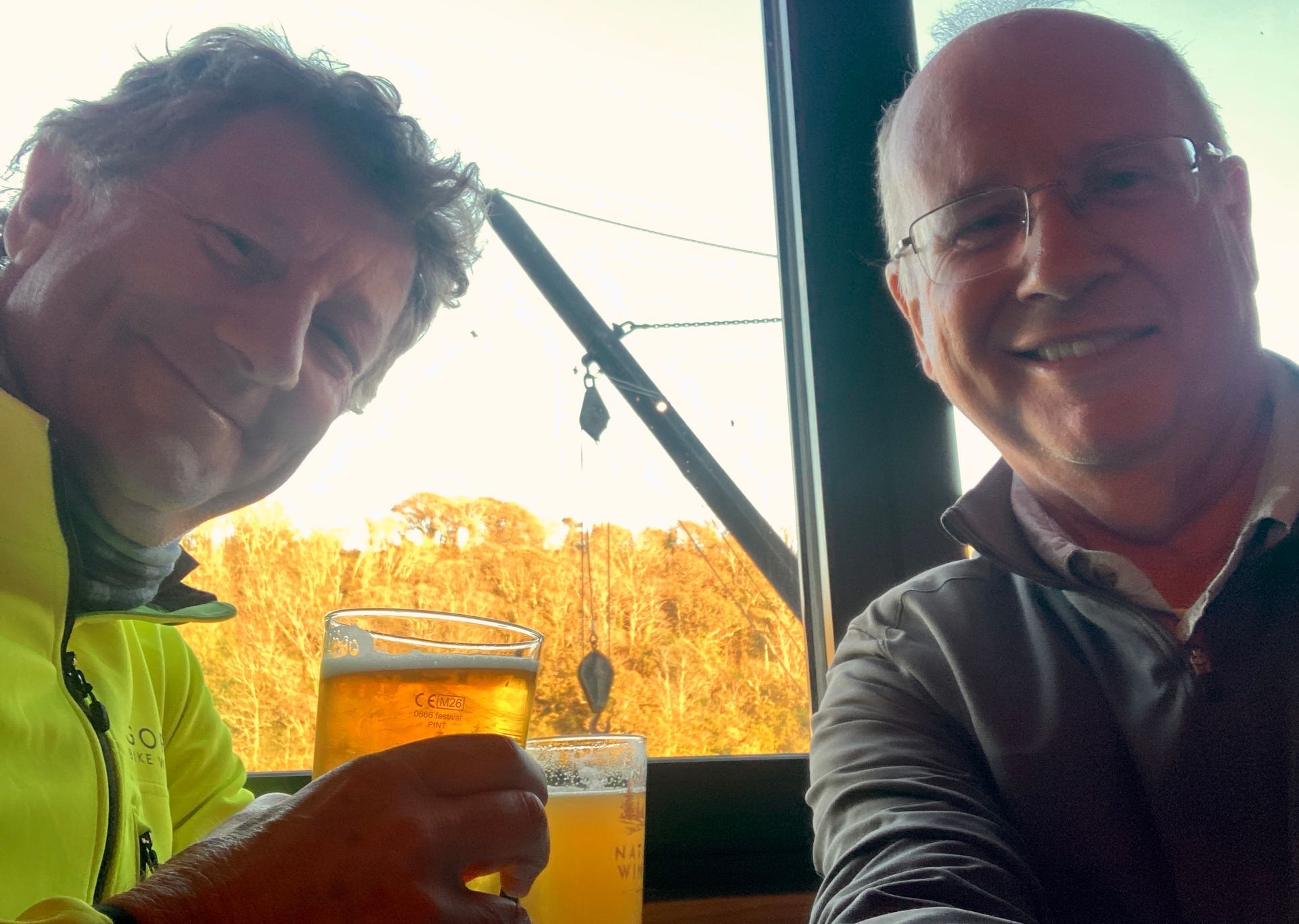
The Saints Way is a delight and easily walked over two days of 14 miles each. Once again I rejoiced for our public footpaths and public transport.
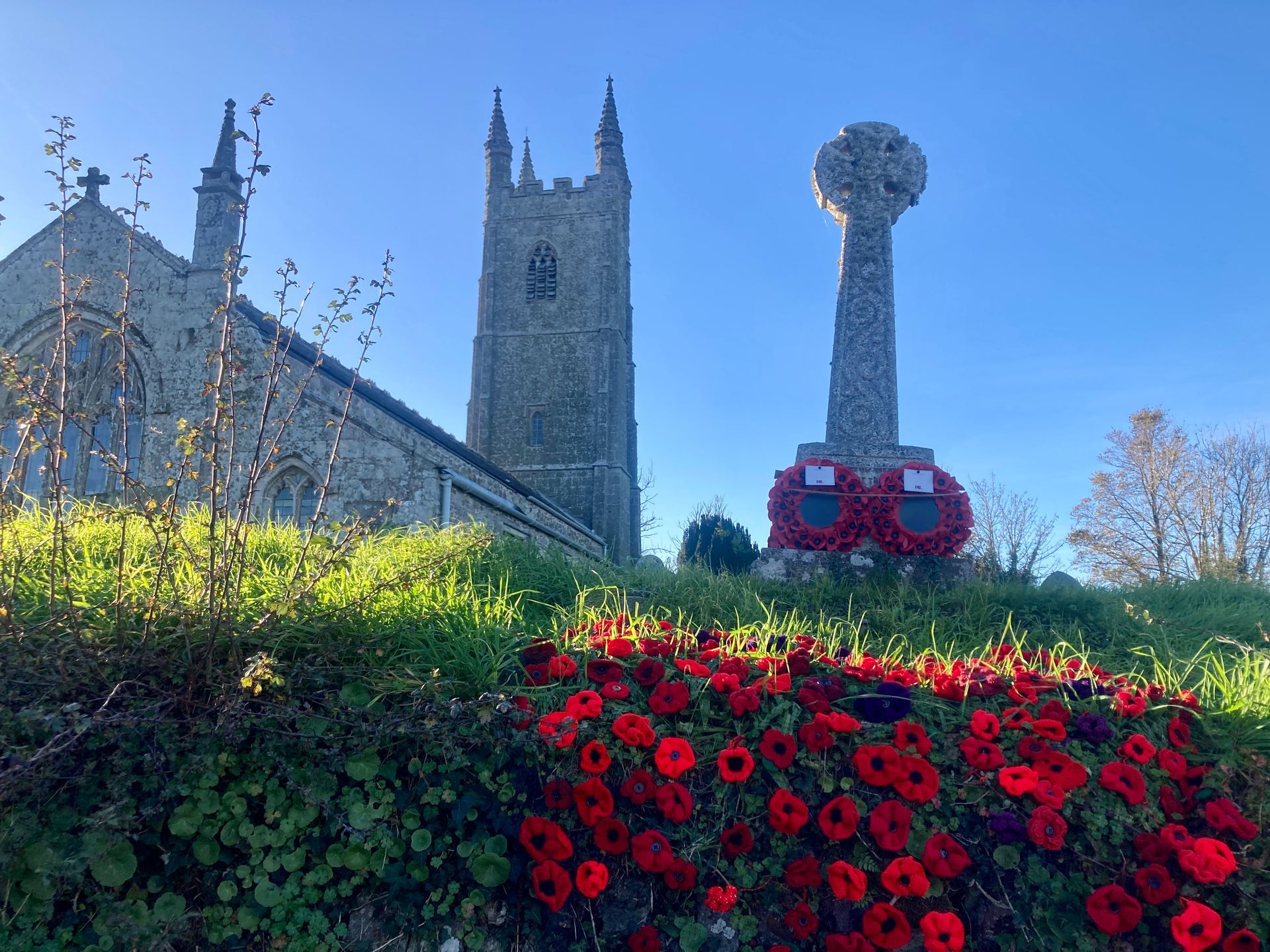
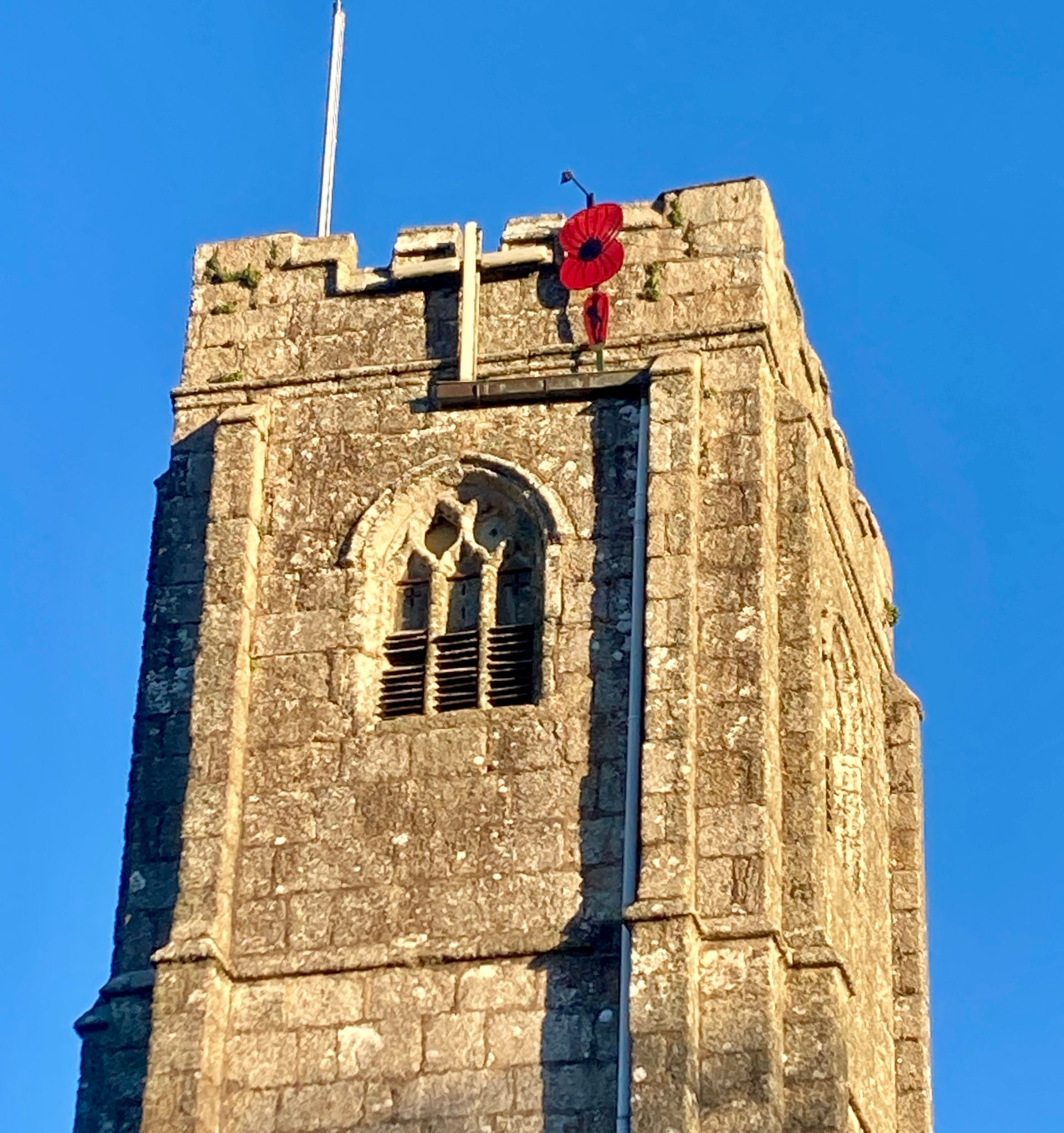
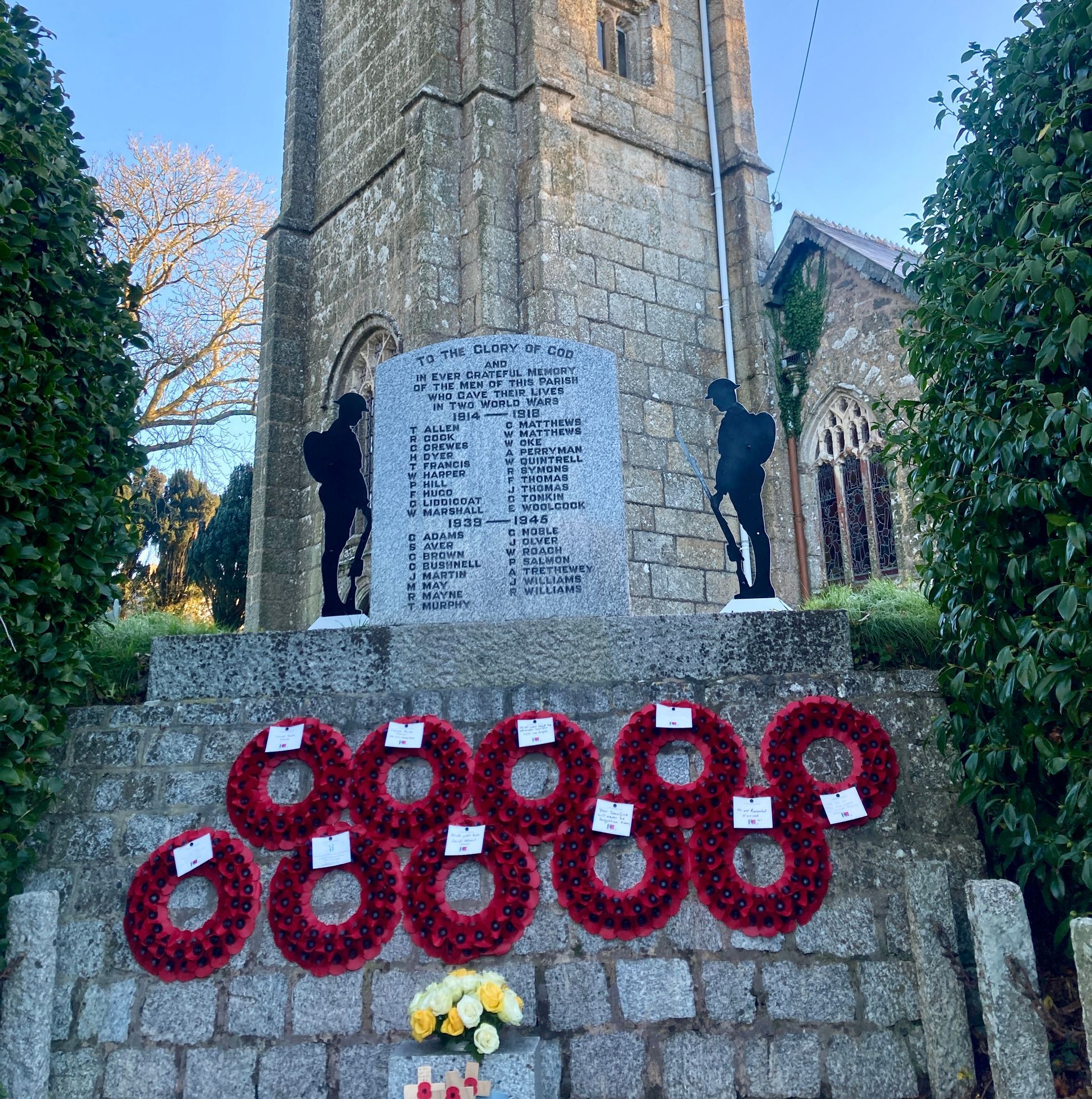
My pilgrimage was undertaken during the week after Remembrance Sunday and it was moving to see how creatively this important time is marked in even the smallest Cornish villages. Laurence Binyon's poem 'For the fallen' was often in my thoughts:
They shall grow not old, as we that are left grow old:
Age shall not weary them, nor the years condemn.
At the going down of the sun and in the morning
We will remember them.
Phil McCarthy
Phil is the Hearts in Search of God founder and project lead.