The Way of Francis
Having just returned from a pilgrimage to Assisi I’ve been reflecting on what we might learn today from St Francis, calling to mind especially his famous ‘Canticle to the Creatures’ that he wrote soon before his death almost exactly 800 years ago.
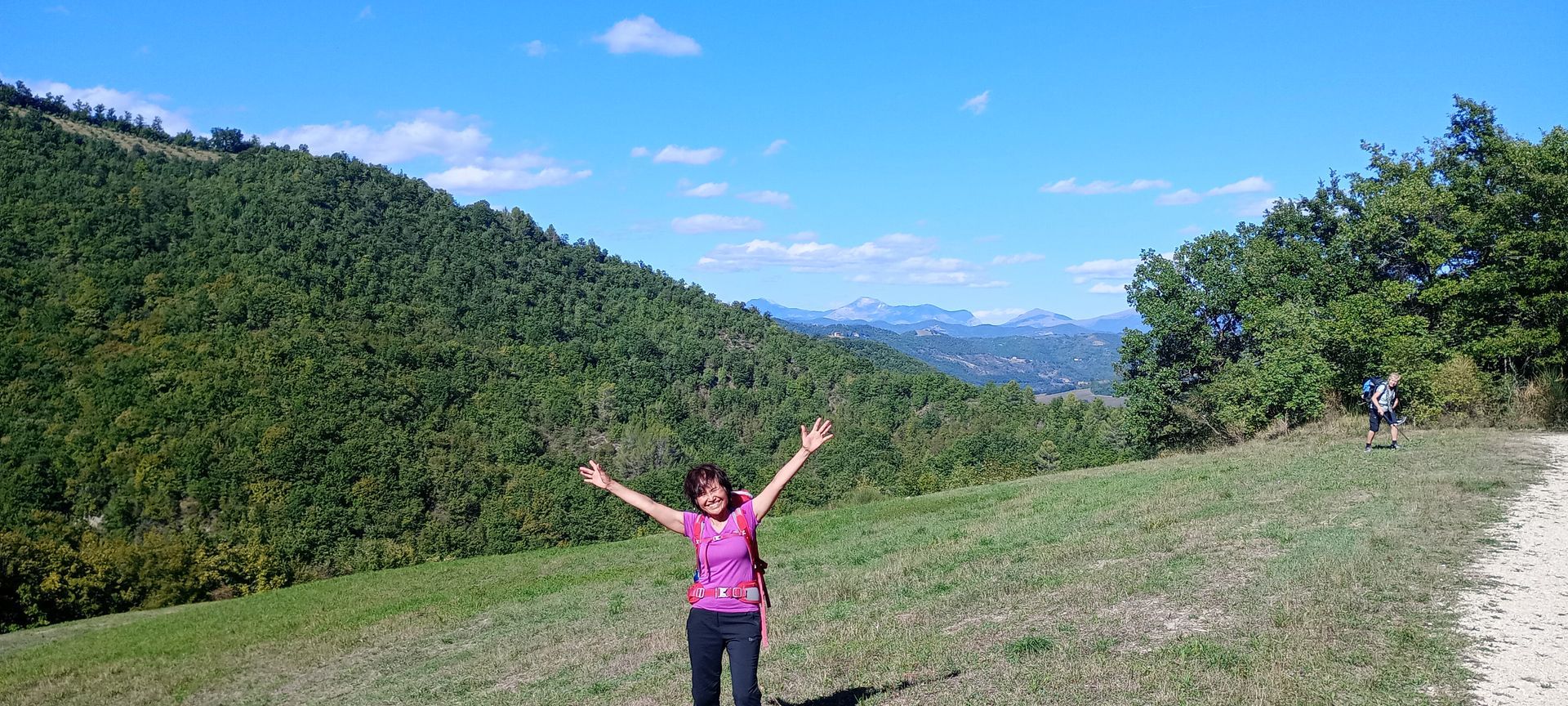
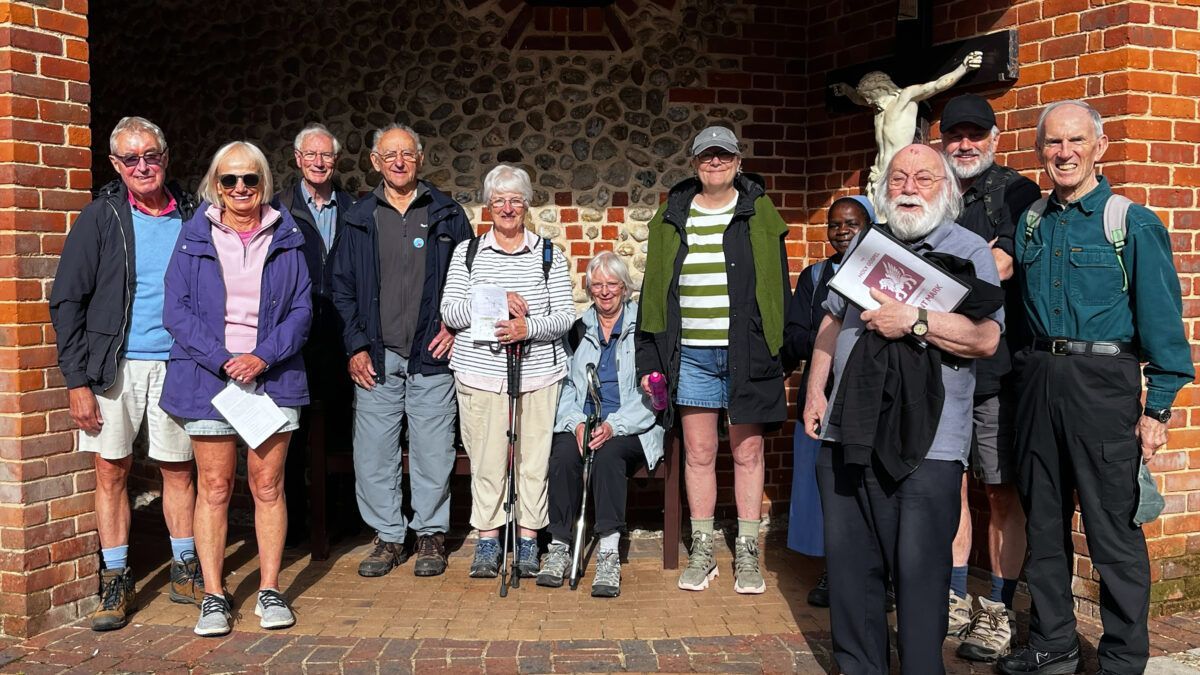
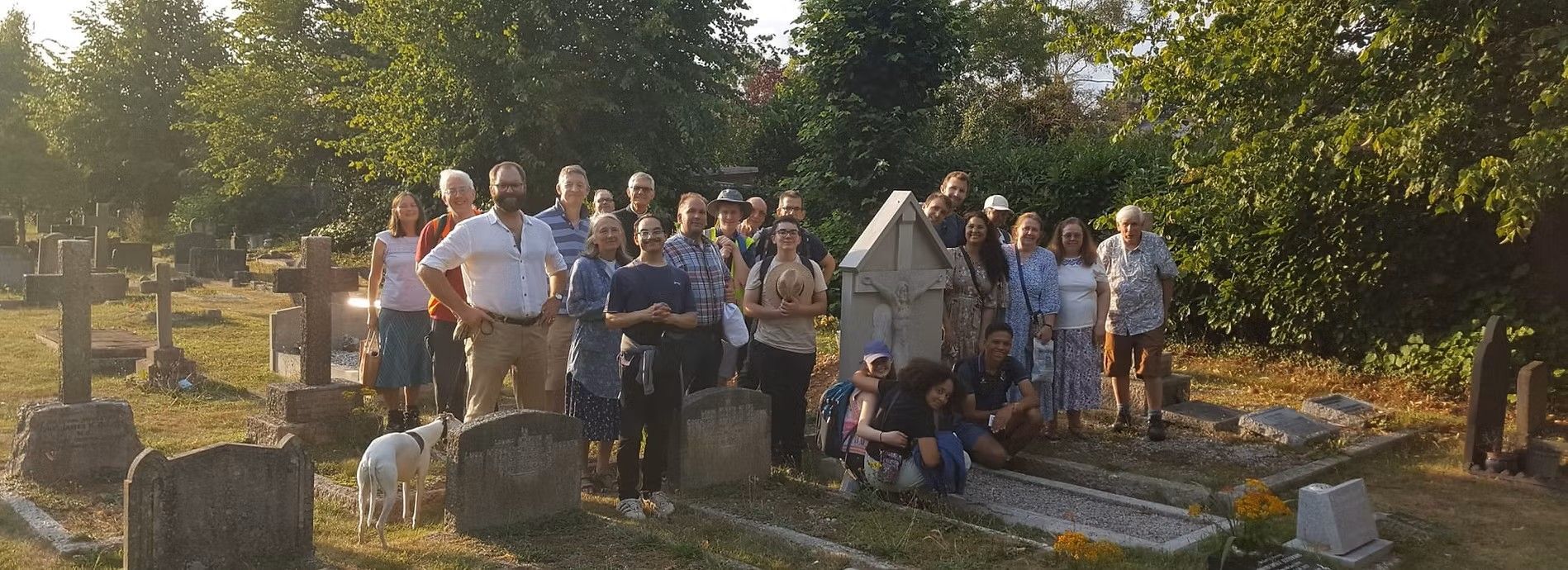
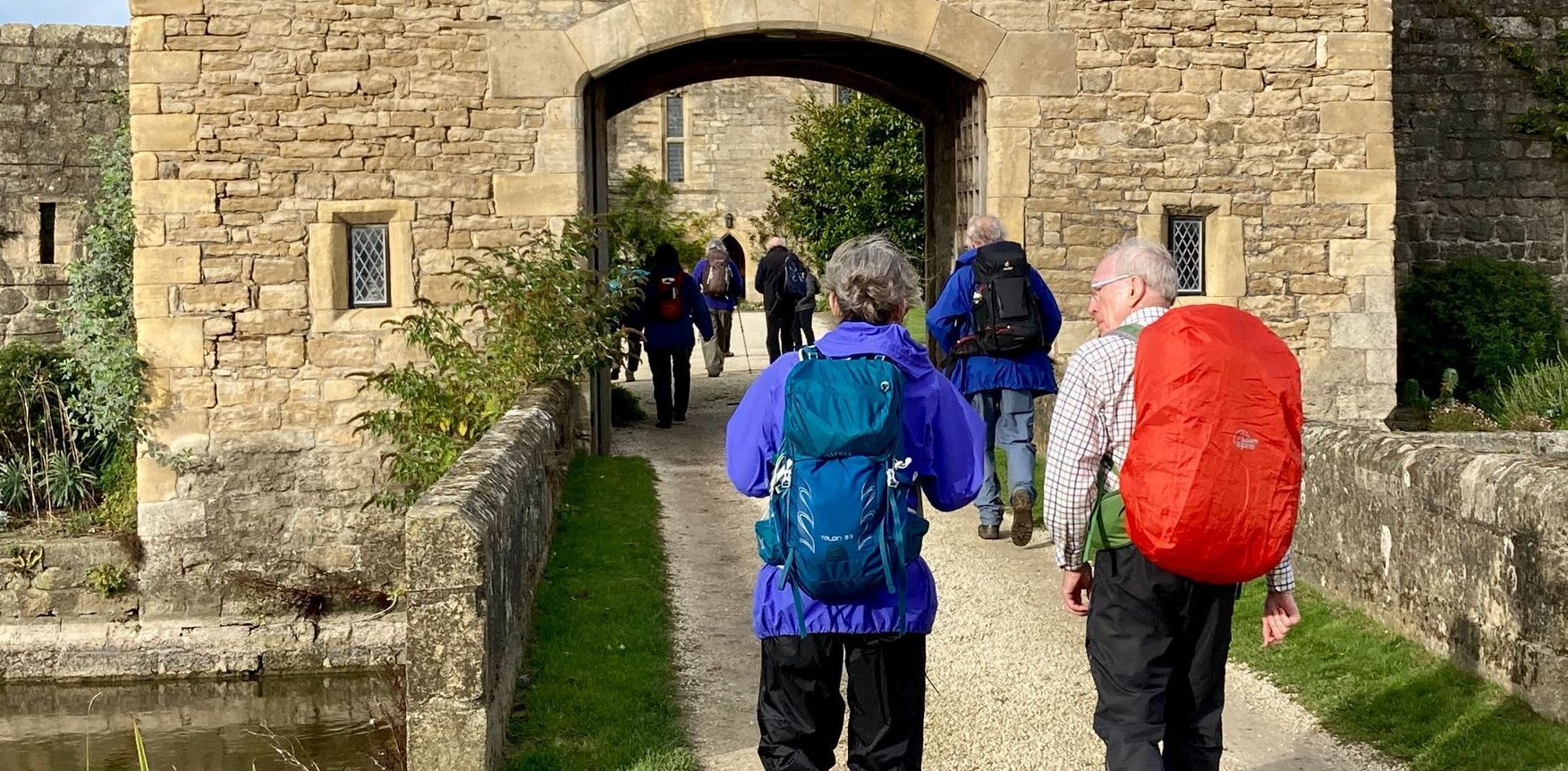
We were a group of twelve walking for six days on the stunningly beautiful ‘Way of Francis’ and it was a wonderfully diverse and international group. It included my wife Yim Soon and we had done a slightly longer section of that route in 2025, when we’d had a particular reason to journey to Assisi together. It was on a visit there in 1987 that Yim Soon had had a ‘chance’ encounter with some people from L’Arche in France that led ultimately to us meeting one another in the L’Arche community in Canterbury two years later.
There is something about the act of walking that connects people and draws forth their story. There is also a pleasing simplicity about life on the pilgrim path. You stuff your sleeping bag and your few other belongings into your rucksack each morning and you walk. That’s it; you just walk. After a few days, one woman remarked to me how she realised she’d stopped thinking about work, which she would normally be stressing about even on holiday.
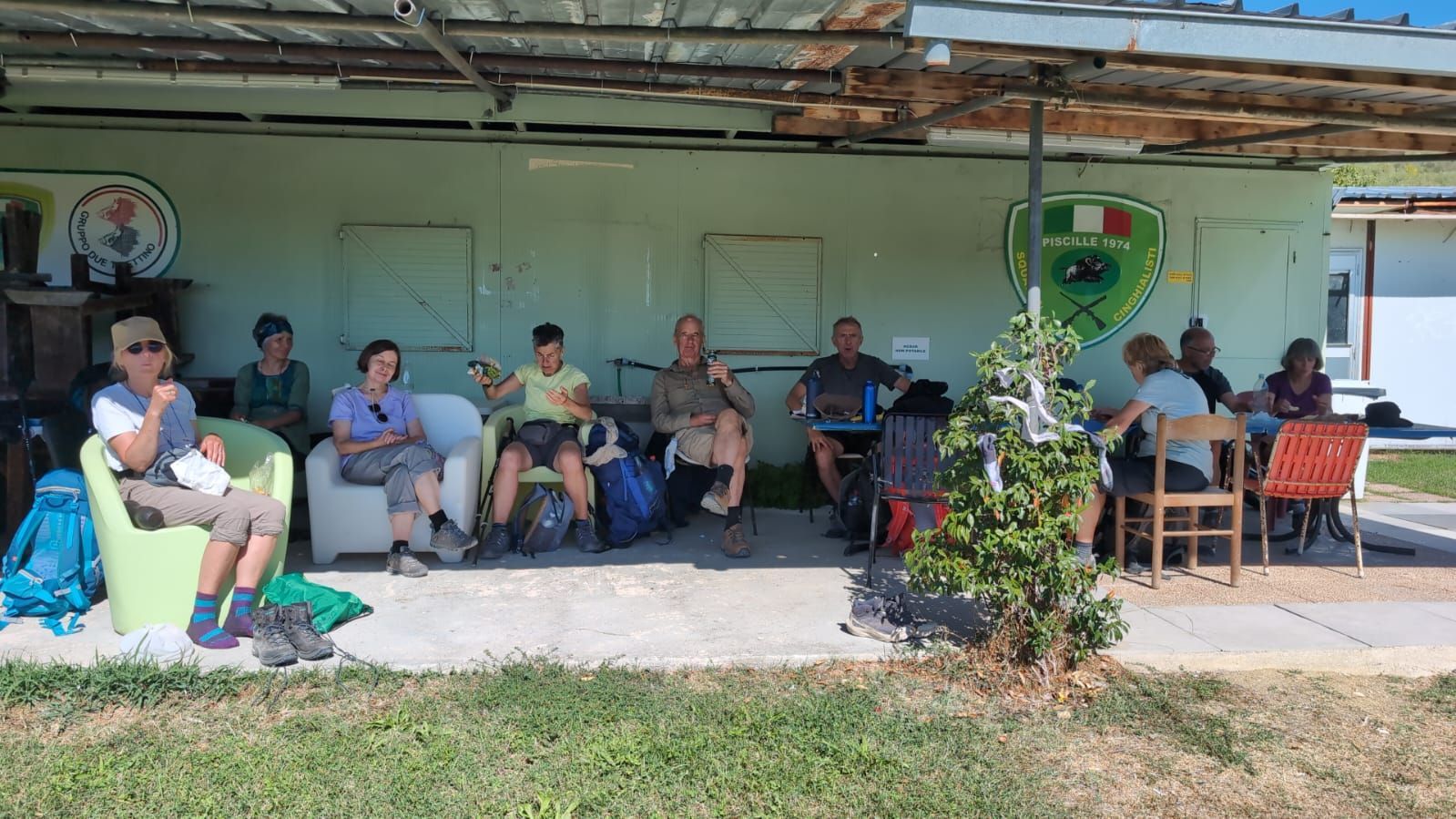
A profound sense of community is created as we undergo the daily ups and downs, both geographical and emotional. There’s also lots of kindness and people seemed to delight in sharing what they had. Monika had brought from Poland the traditional Christmas gingerbread cake, Piernik, that she’d made and it went down very well on our first day of walking. For our final day’s lunch (eaten on the picnic benches of a wild boar shooting lodge, with the first view of Assisi in the distance) I almost couldn’t eat all the chocolate that was passed round (I managed!).
I always enjoy the encounters with fellow pilgrims and one of my favourites this time was with a man from Budapest called Otilla (‘Ottila the Hun(garian)!’), a self-declared ‘Peace Pilgrim’ who said he was there to ‘get in touch with myself and with nature.’ I’d thought our bunk beds in pilgrim hostel dormitories (with maybe two toilets and showers between twenty) was fairly basic. Then I saw that Ottila was sleeping out in fields or in a hammock strung up between trees. I think that St Francis would have heartily approved!
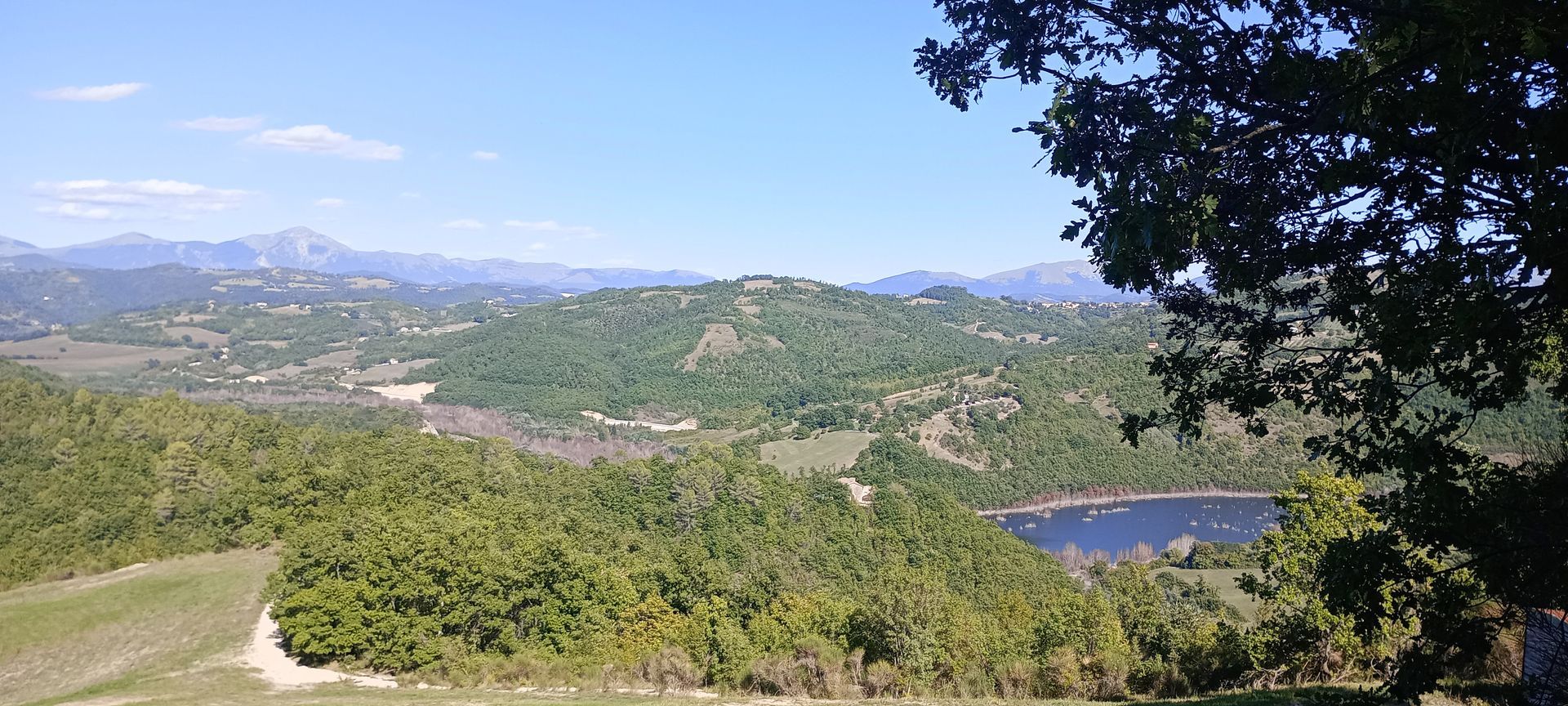
Even if there’s a satisfaction in living simply, and a realisation that we can be very happy with very little, I’m not averse to a bit of luxury, and we were rewarded after a long and hilly Day 4 by a night in an ‘Agriturismo.’ That meant proper beds and showers (one between four!), a feast of a dinner and next day breakfast and…a swimming pool! There we were: all twelve of us, some swimming, some reclining and sipping wine, with a view to die for that stretched down to a lake at the bottom of a verdant valley and the hills beyond. And Franziska suddenly called out, ‘I feel like the Great Gatsby!’ For some reason, that swimming pool scene will live particularly long in my memory, and as I pondered to the group at the end of the week, such a lovely moment would perhaps not have been possible without a certain mutual suffering that had preceded it.
There was some great singing on the way, mainly of Taizé chants. And each day I would share a little prayer or reflection with the group and then we would walk in silence for a period. On Day 6 I read the whole of the ‘Canticle to the Creatures.’ I’d always assumed that this hymn of praise and thanksgiving to all of creation must have been written by Francis at a joyful time in his life. I’d discovered in 2025 when visiting San Damiano near Assisi where Francis wrote the hymn that the opposite is the case. It was 1225 and he was in physical agony following years of extreme asceticism and having received the stigmata the year before. He was almost blind and, to boot, had rats jumping over him at night so that he could neither sleep nor eat properly. And yet, he got up one morning and wrote a hymn that begins, ‘Most High, all-powerful, good Lord, Yours are the praises, the glory, and the honour, and all blessing,’ and which addresses in turn ‘Brother sun, sister moon, brother wind, sister water, brother fire, sister earth.’
I struggle sometimes to know how to live in a way that respects and protects the planet, and it was at the heart of a question I got to ask Henri Nouwen in 1995, the year before his death. I remember my words exactly: ‘I love nature and I find it difficult when I see people throwing litter on the street and I’m not sure how to respond.’ I recall equally clearly his simple answer, ‘Carry on loving nature.’ What he said seemed kind of zen-like at the time. Now I can see that it’s also profoundly Franciscan.
In these times of serious environmental and political challenges for our world, I’ll continue to take inspiration from those words of Henri Nouwen, as well as those of St Francis, whose Canticle to the Creatures concludes,
‘Praise and bless my Lord and give Him thanks and serve Him with great humility.’
Eddie Gilmore is a Hearts in Search collaborator. More about Eddie and his work and books can be found here.